Cambodia Book Fair Continues to Strengthen Reading Culture and Publishing Industry
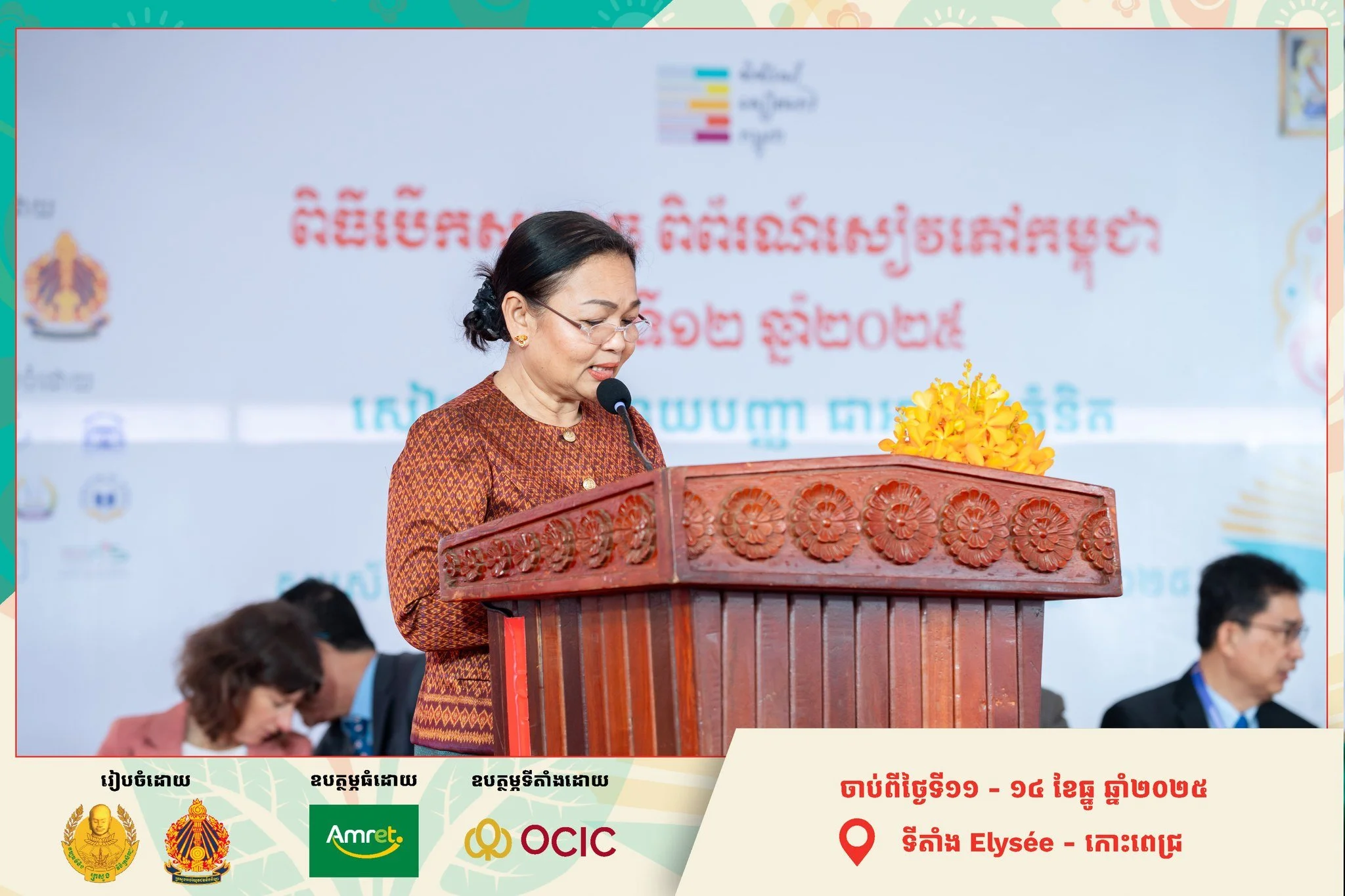
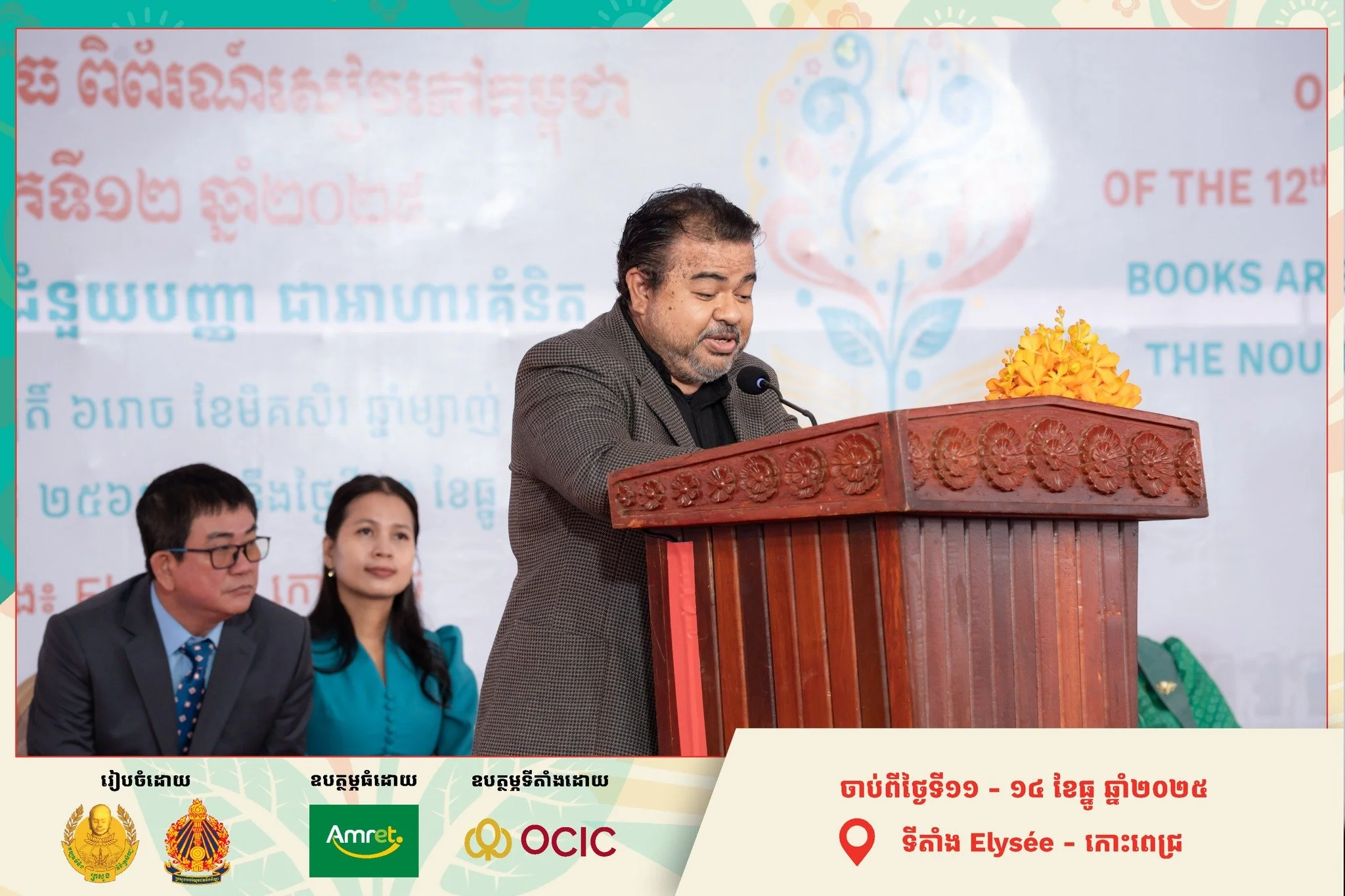
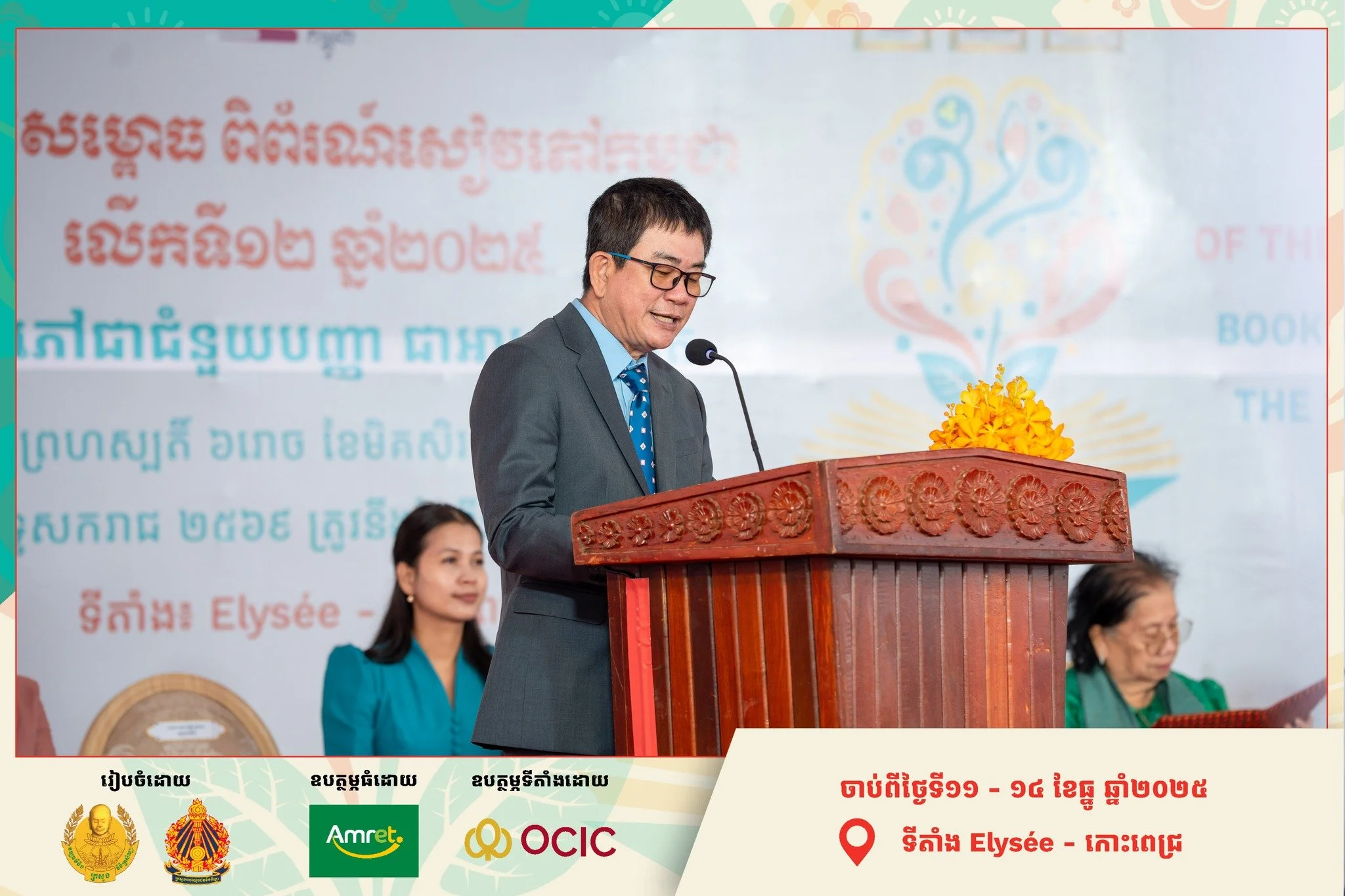
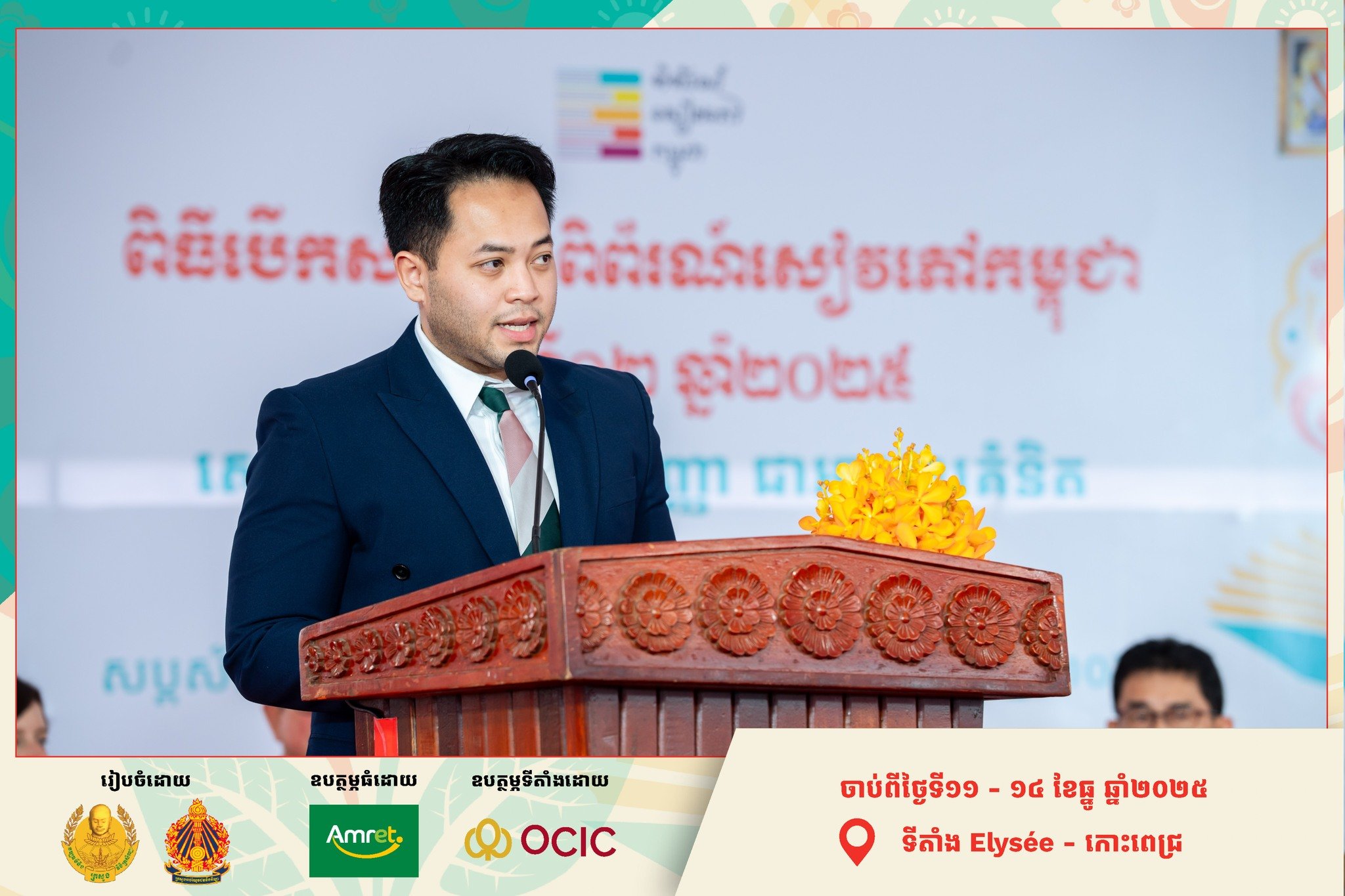
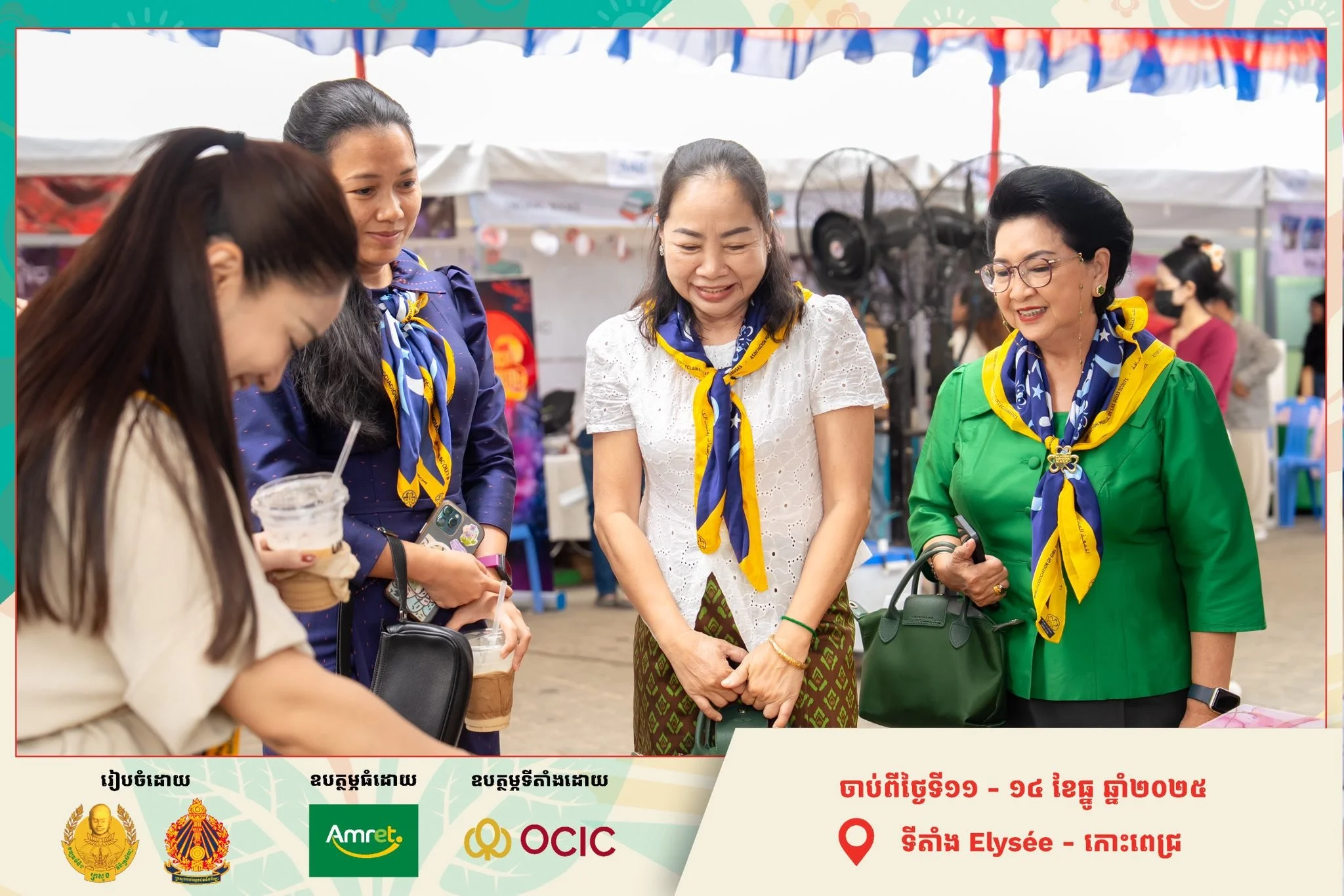
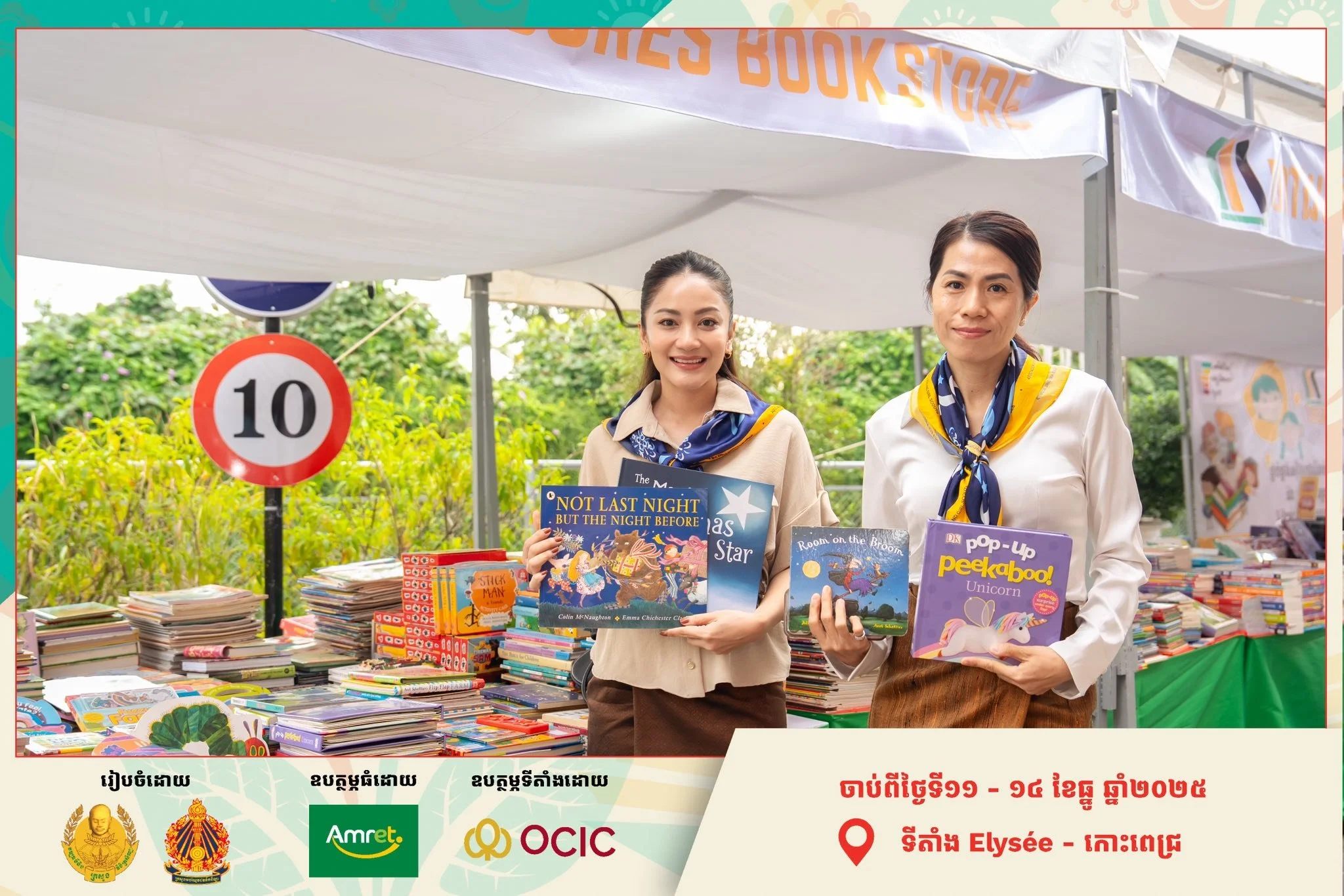
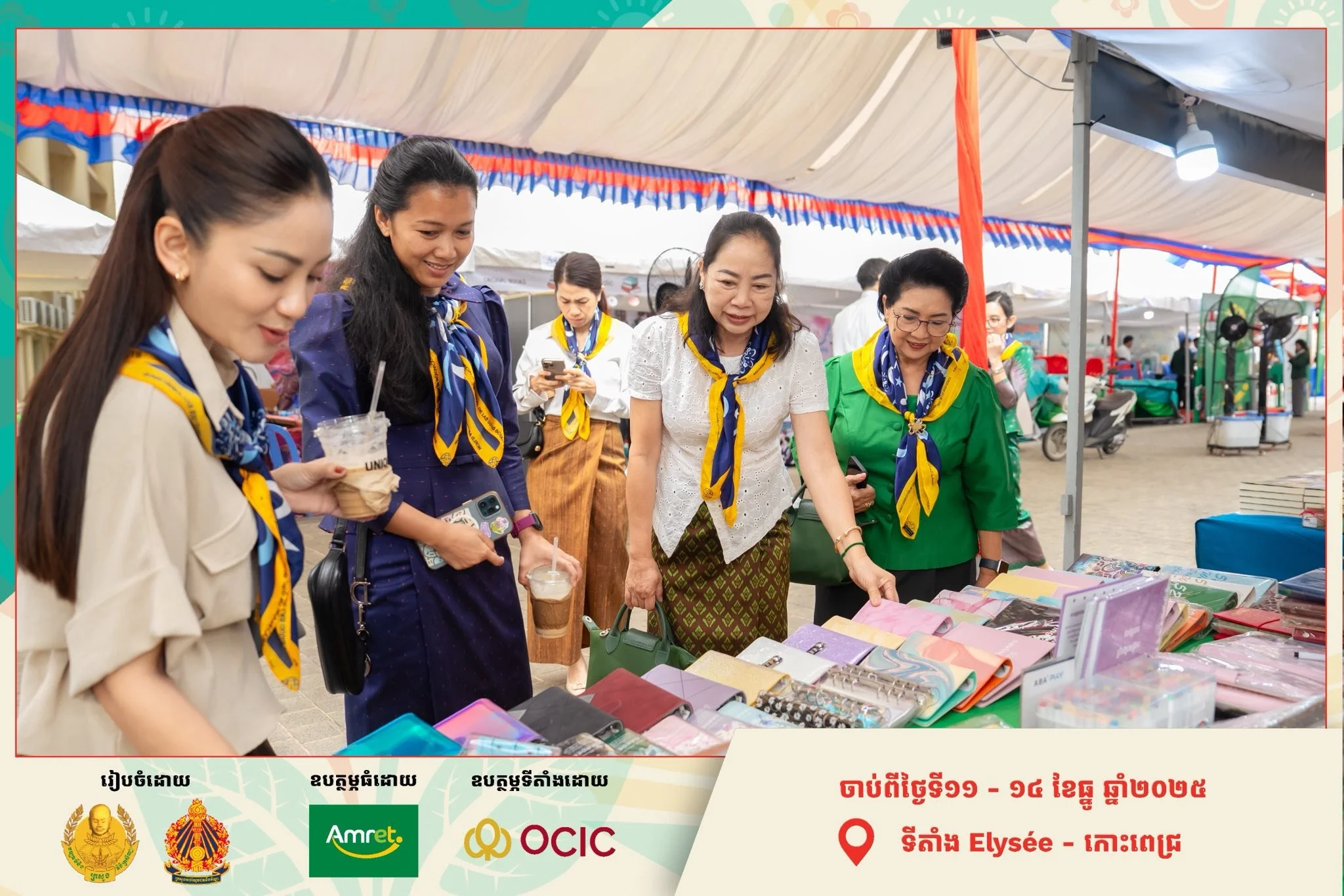
Phnom Penh — The Cambodia Book Fair has continued to play a central role in promoting literacy, lifelong learning, and the national publishing industry, with steady participation from publishers, readers, and educational institutions.
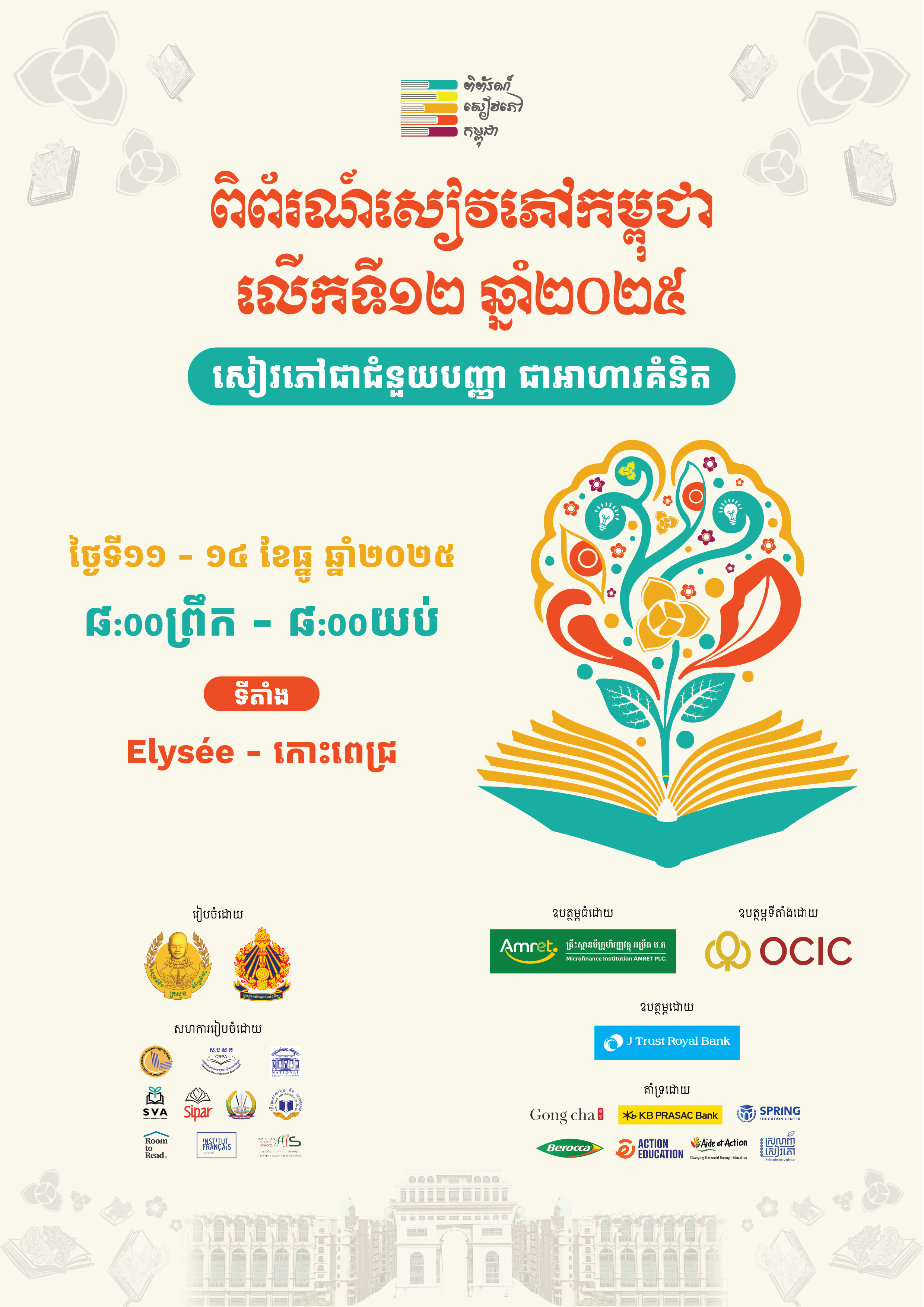
First launched in 2011 by the Ministry of Culture and Fine Arts, in collaboration with key partners including the Ministry of Education, Youth and Sport, the annual fair has grown into one of Cambodia’s most important cultural and educational events. The Cambodian Librarians Association (CLA), Cambodia Book Publishers Association (CBPA), National Library of Cambodia, Khmer Writers Association, Publishing and Distribution House, Room to Read Cambodia, Shanti Volunteer Association (SVA) Cambodia, Sipar Cambodia, Institut français du Cambodge and American Intercon School (AIS) remains one of the main co-organizers, contributing professional expertise and advocacy for reading across all age groups.
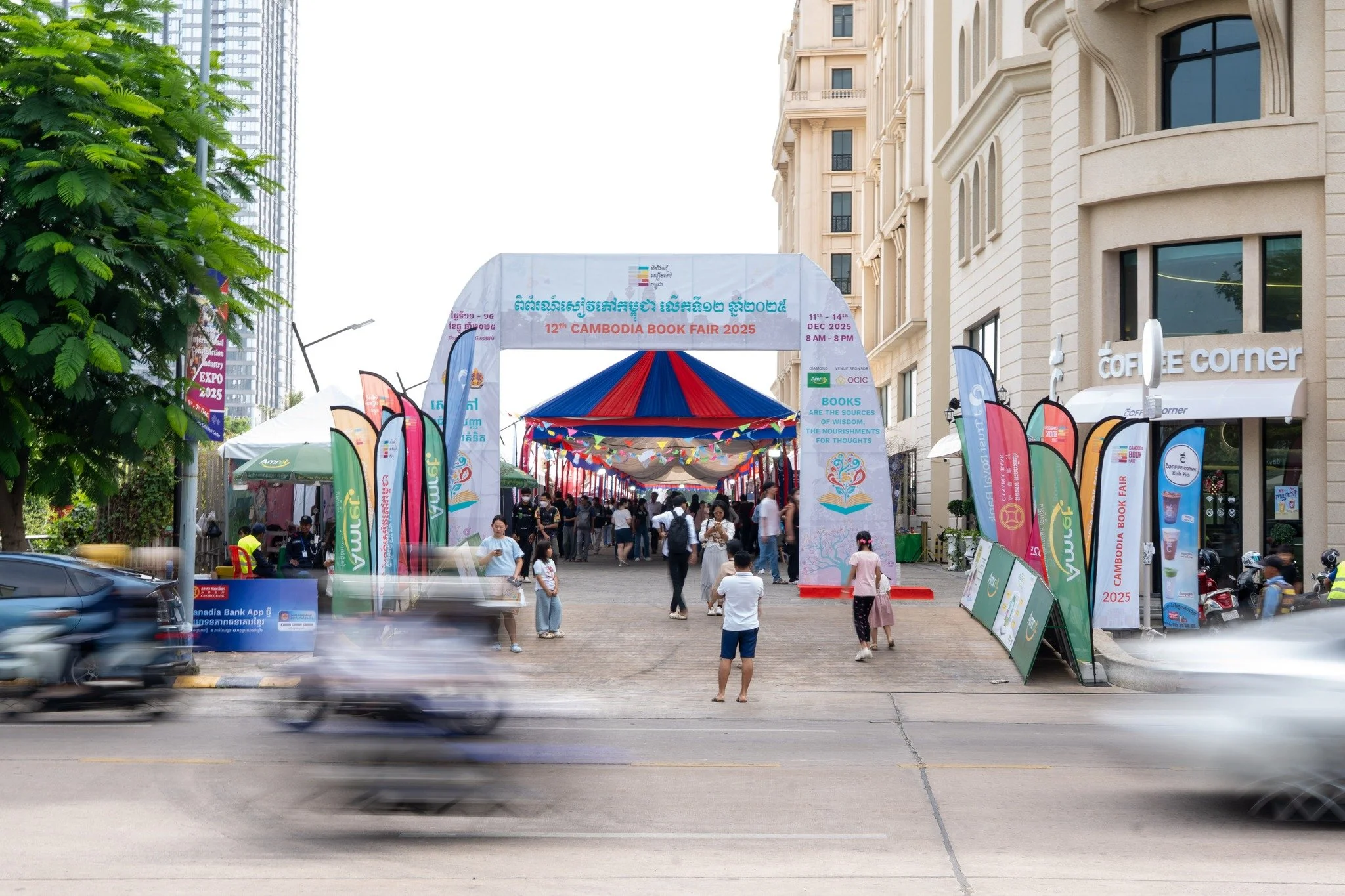
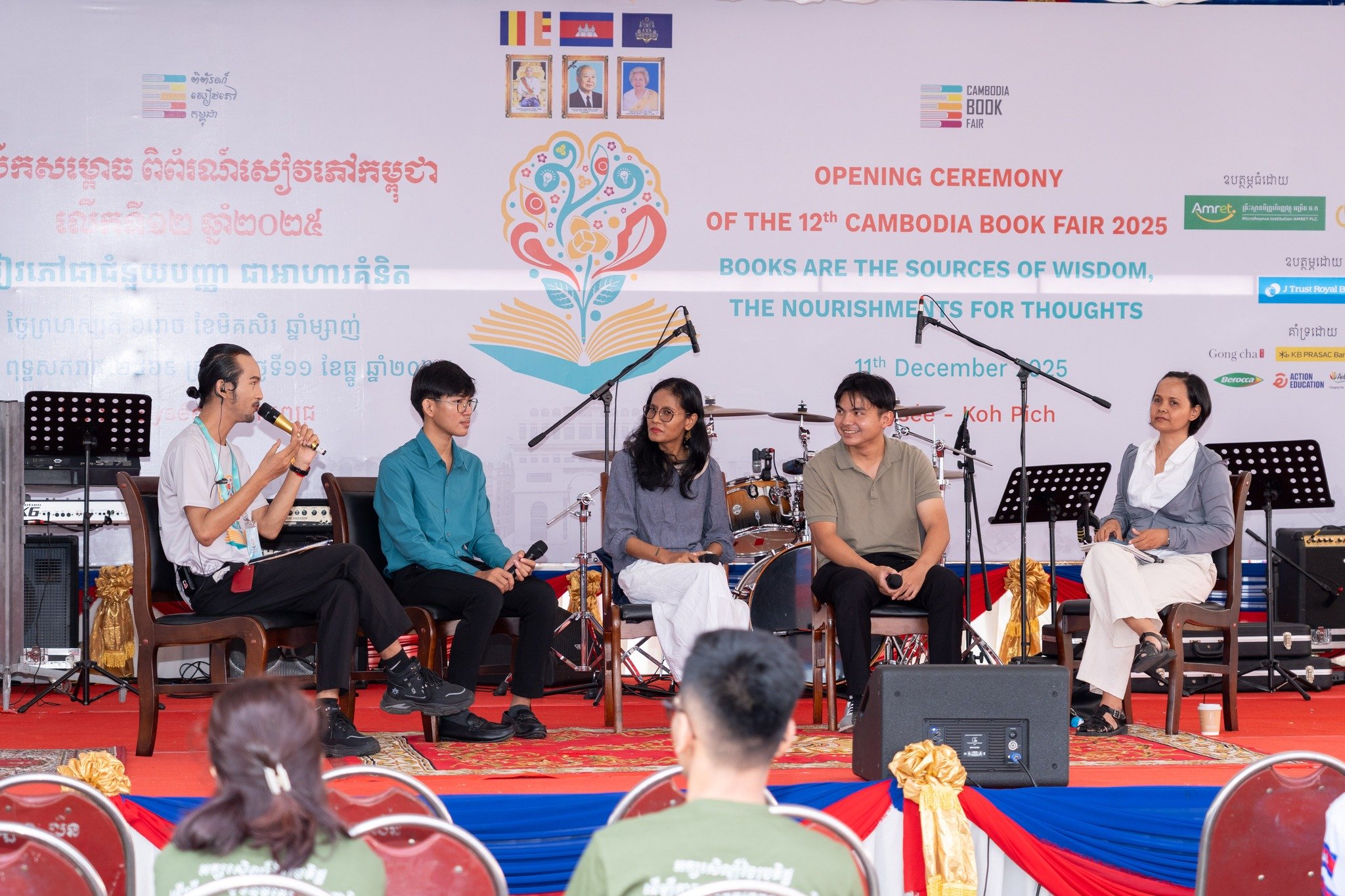
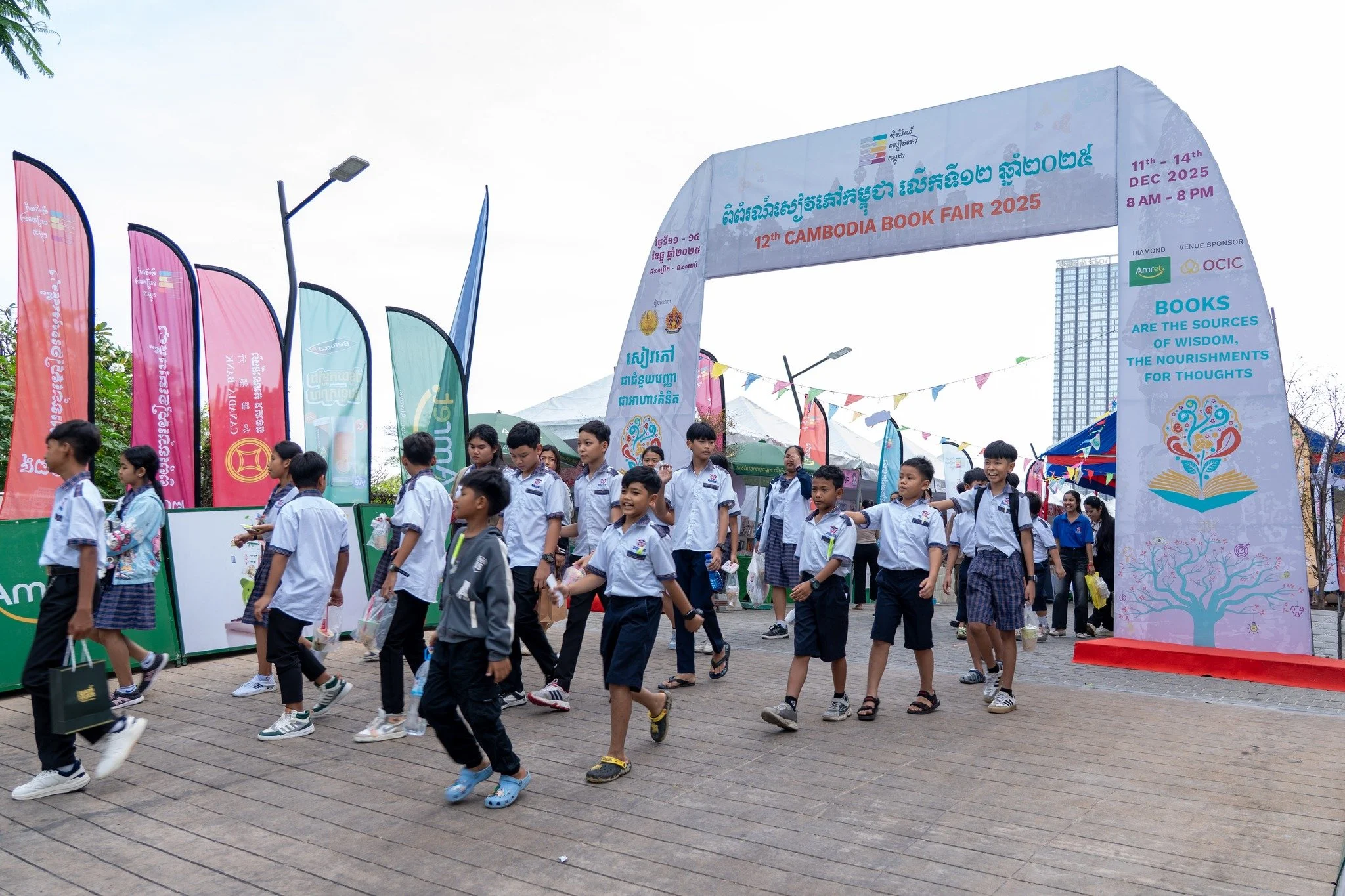
The 12th Cambodia Book Fair was held in Phnom Penh from 11 to 14 December 2025 as a national celebration of books, learning, and creativity. The event welcomed readers of all ages and promoted the value of reading for personal growth, education, and the long-term development of Cambodian society. Held under the theme “A Reader, A Life-Long Learner,” the fair provides a national platform for authors, publishers, educators, libraries, and book lovers to connect and celebrate reading culture. Organized by the Ministry of Culture and Fine Arts, the fair focuses on fostering partnerships within the ASEAN region and emphasizes support for local writers while welcoming international exhibitors. A highlight will be the attendance of Malaysian dignitaries, representing the ASEAN Chair, to promote cross-border collaborations.
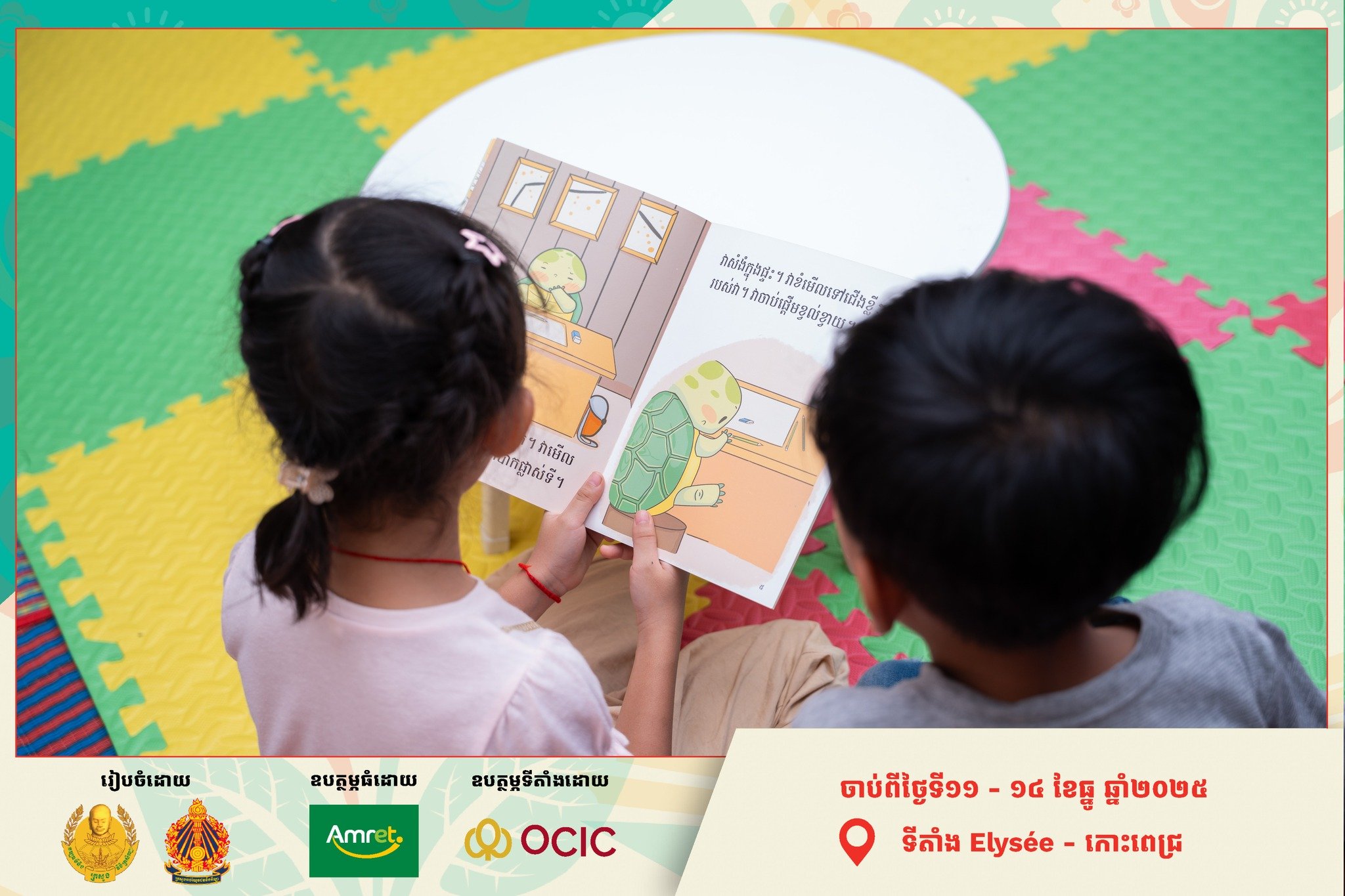
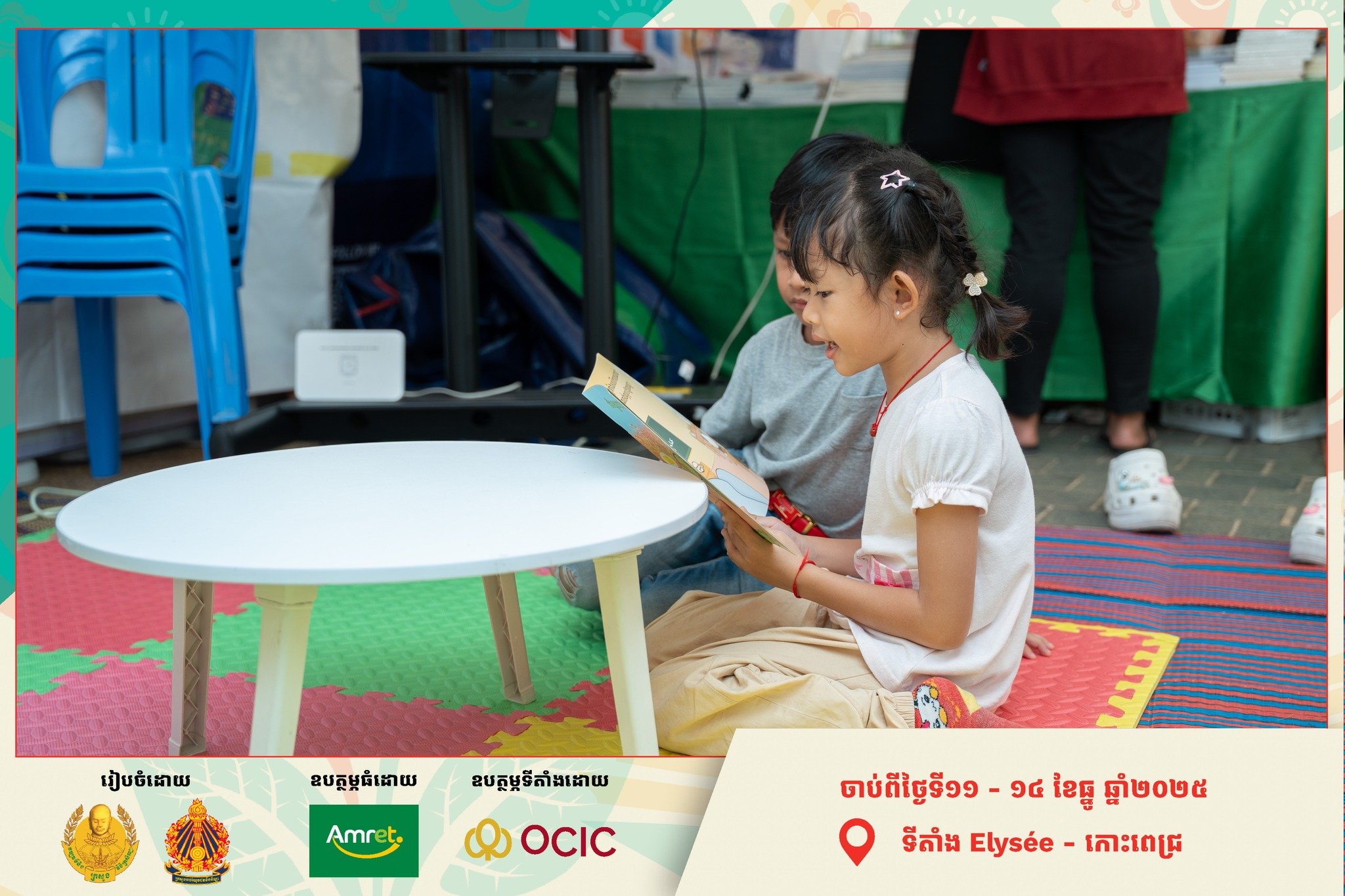
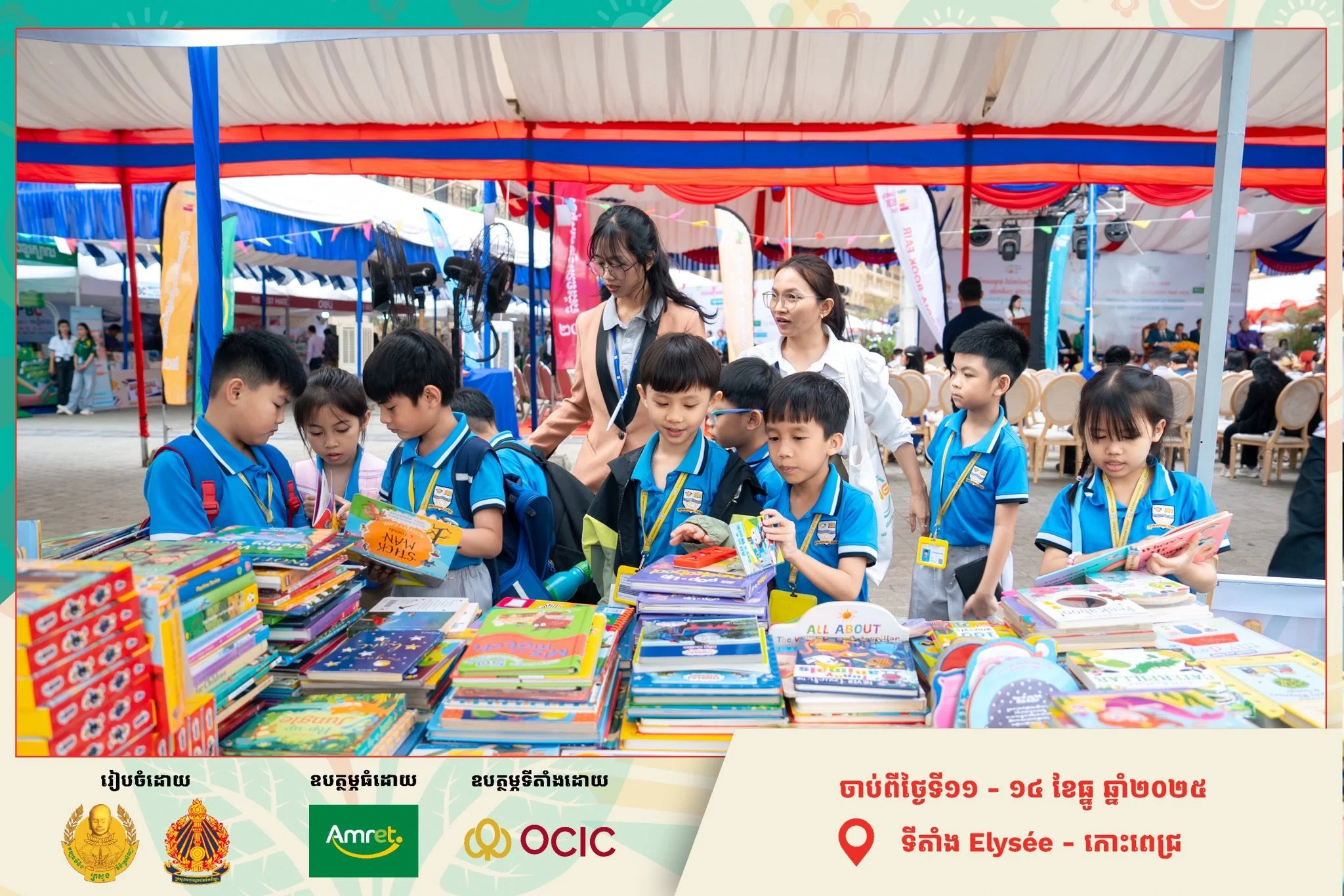
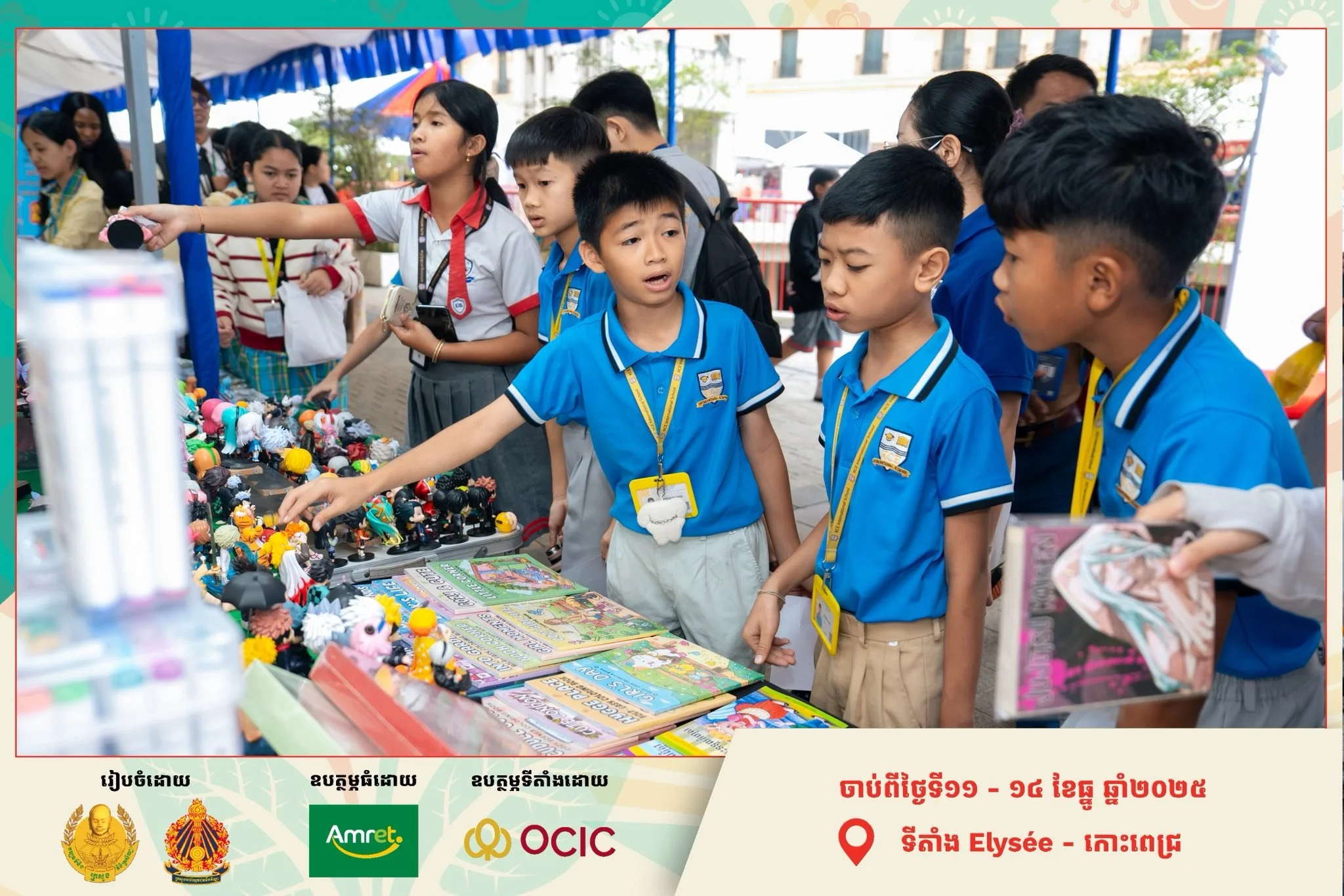
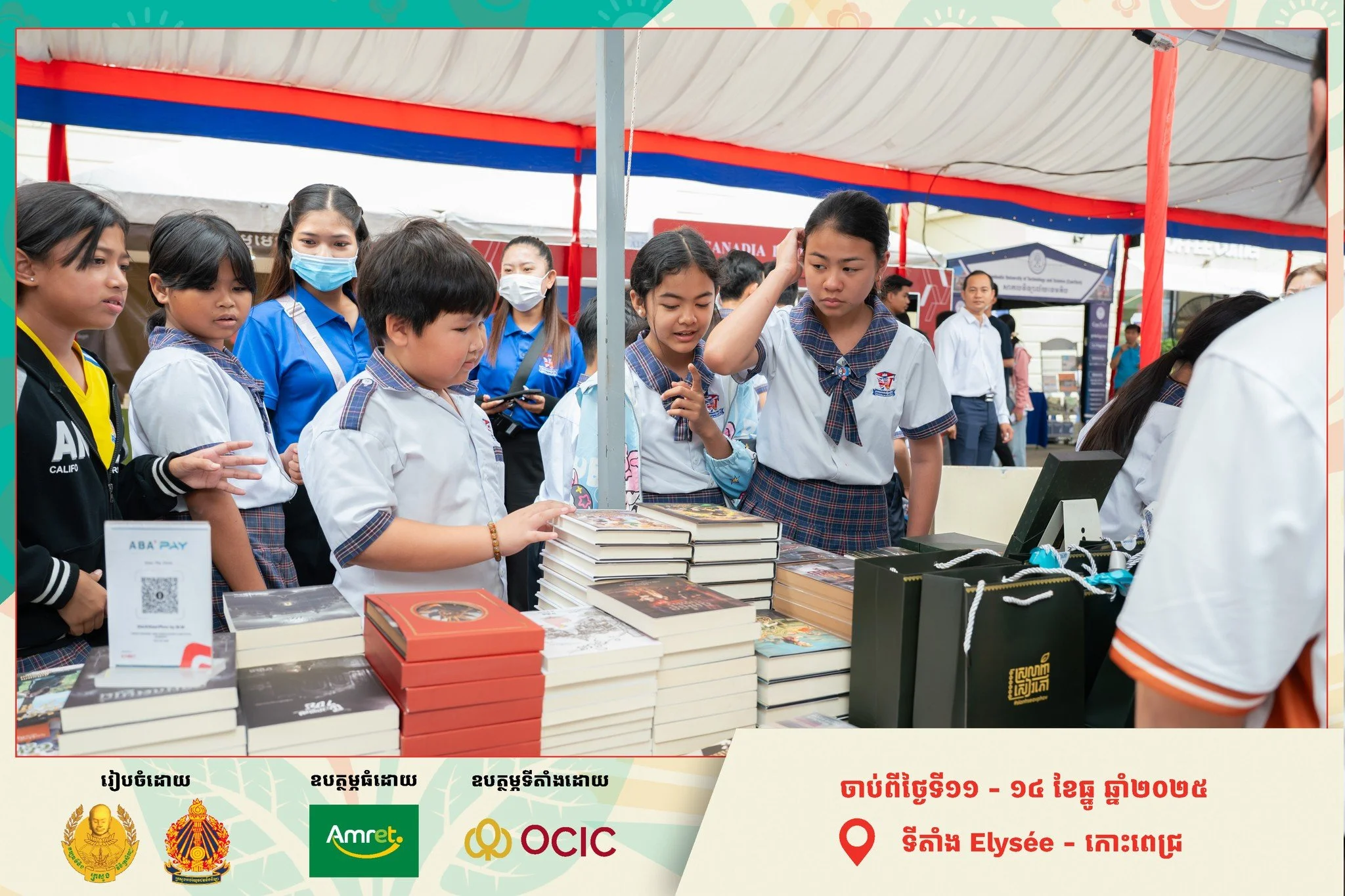
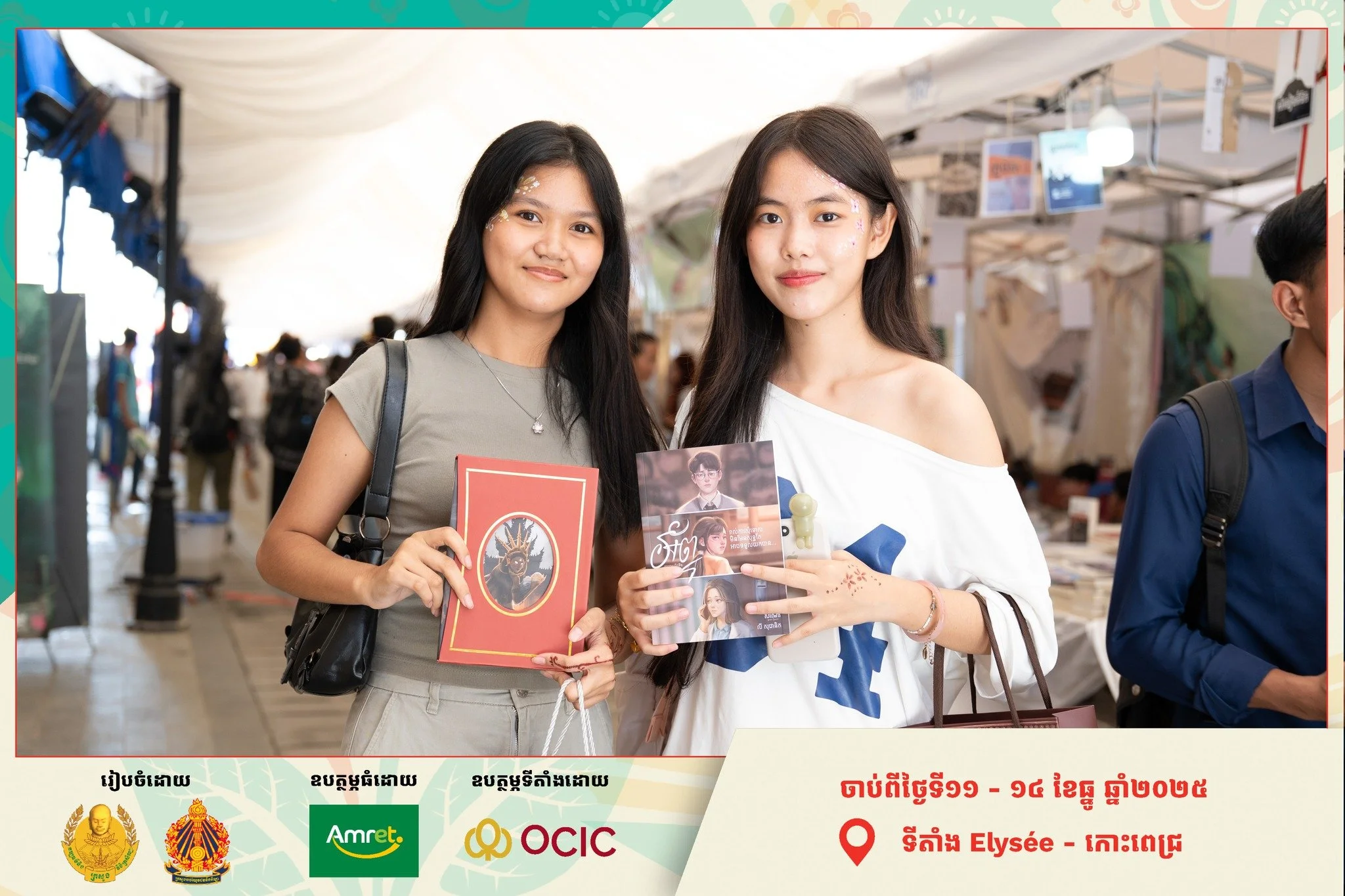
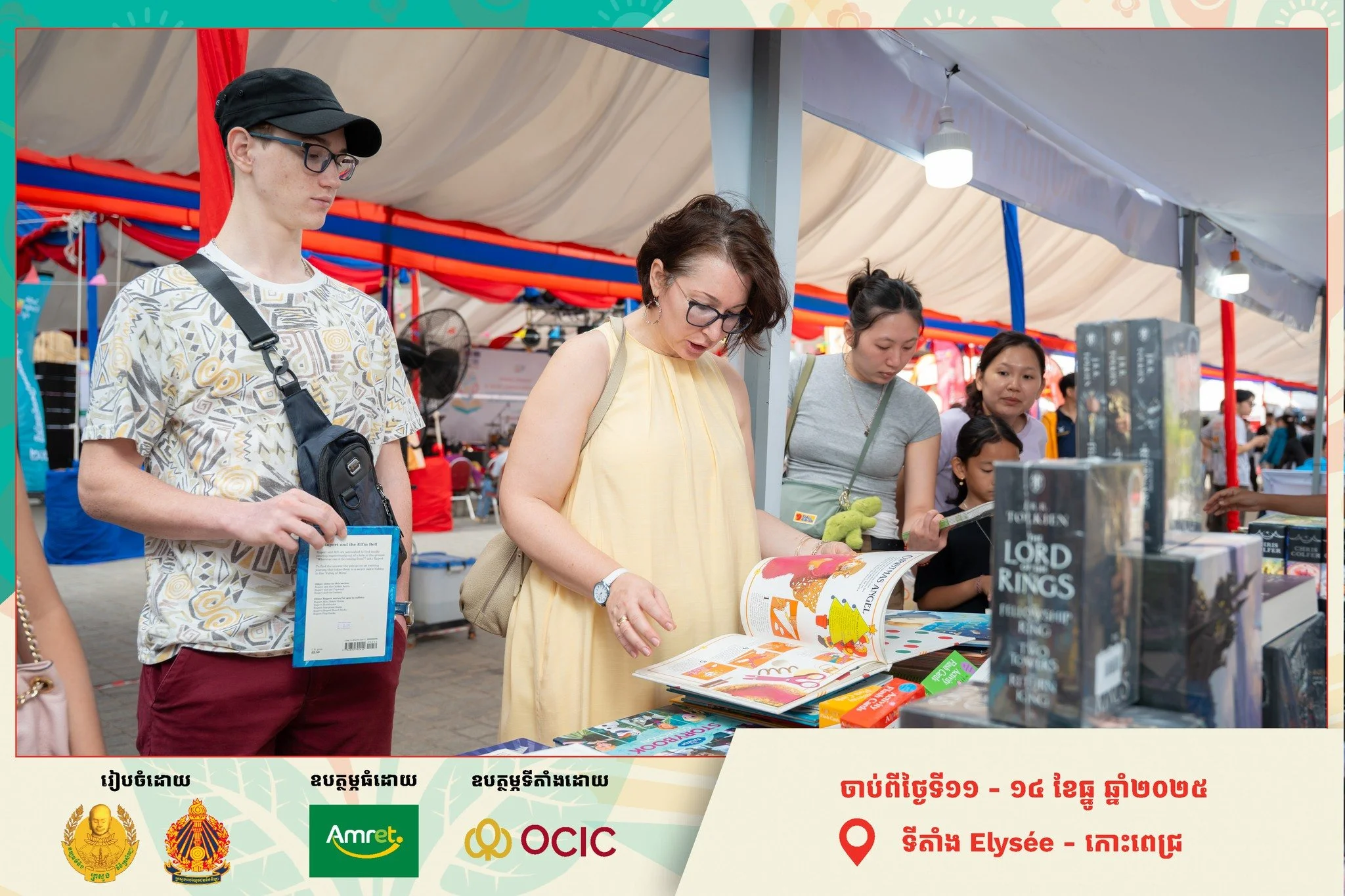
With free entry and a wide range of activities, the book fair created an open and friendly space for families, students, educators, and book lovers to explore books, meet authors, and take part in literacy-focused programmes.
A National Knowledge Investment Aligned with ESG and the Sustainable Development Goals
The Cambodia Book Fair has evolved over the past fifteen years into a flagship national platform that advances literacy, cultural development, and the creative economy. Established in 2011 as a small initiative with just ten booths, the fair has grown into a large-scale annual event that engages readers, authors, publishers, educators, libraries, and families from across the country.
Beyond its role as a book marketplace, the fair functions as a long-term investment in Cambodia’s knowledge ecosystem. Its consistent growth, institutional partnerships, and inclusive programming align strongly with Environmental, Social, and Governance (ESG) principles, as well as multiple United Nations Sustainable Development Goals.
The Cambodia Book Fair aims to:
promote the publication and distribution of both new and existing books,
encourage children and youth to build a strong reading habit,
highlight the importance of reading in building knowledge and life skills,
support Cambodian writers and illustrators, and
inspire young people to develop creativity, writing, and storytelling.
Scale and Reach (2011–2025)
Key Metrics Snapshot (2011–2025)
| Indicator | Key Figure |
|---|---|
| Years of Growth | 15 years |
| Booths | 10 (2011) → ~295 (2025) |
| Peak Visitors | ~200,000 (2023) |
| 2025 Visitors | ~90,000 |
| Libraries & Institutions Involved | National and regional |
| Core Organisers | MoCFA, MoEYS, CLA & partners |
Over fifteen years, the Cambodia Book Fair has demonstrated steady institutional growth and public trust. Booth participation expanded from ten in its inaugural year to nearly three hundred in recent editions. Visitor numbers peaked at approximately 200,000 in 2023, while later editions increasingly emphasized quality engagement, sustainability, and targeted participation. The fair has showcased up to 120,000 books in a single year, reflecting the expanding capacity of Cambodia’s publishing and creative sectors.
This long-term trajectory highlights the fair’s resilience and its ability to adapt to changing social, economic, and cultural contexts while maintaining relevance and impact.
ESG Alignment
Social Impact
The Cambodia Book Fair delivers its strongest impact through the social pillar of ESG. It promotes inclusive access to knowledge by welcoming learners of all ages and backgrounds, with a strong focus on children, youth, and families. Activities such as storytelling sessions, author discussions, educational games, and early reading programmes contribute directly to literacy development and lifelong learning.
The fair also supports authors, publishers, and creative professionals by providing visibility, income opportunities, and professional recognition. In doing so, it strengthens Cambodia’s cultural and creative economy while nurturing local talent.
Governance and Partnerships
The fair benefits from strong governance through collaboration between public institutions and professional organizations. It is led by the Ministry of Culture and Fine Arts, supported by the Ministry of Education, Youth and Sport, and co-organised with partners including the Cambodian Librarians Association. This multi-stakeholder model ensures credibility, continuity, and alignment with national education and cultural priorities.
Transparent coordination and recurring annual delivery demonstrate institutional maturity and reliability, key factors for long-term partner and donor confidence.
Environmental Perspective
While primarily a cultural and educational initiative, the Cambodia Book Fair contributes indirectly to environmental sustainability by prioritising investment in human capital, knowledge, and cultural infrastructure. By promoting reading, learning, and local publishing, the fair supports sustainable development pathways that rely on education and creativity rather than resource-intensive growth.
Contribution to the Sustainable Development Goals
The Cambodia Book Fair aligns closely with several UN Sustainable Development Goals:
SDG 4 (Quality Education): By promoting reading, literacy, and lifelong learning through inclusive public programming.
SDG 8 (Decent Work and Economic Growth): By supporting authors, publishers, booksellers, and creative professionals within the cultural economy.
SDG 10 (Reduced Inequalities): By providing open access to learning opportunities and cultural participation for diverse audiences.
SDG 11 (Sustainable Cities and Communities): By strengthening cultural life and preserving Khmer literature and heritage.
SDG 17 (Partnerships for the Goals): Through sustained collaboration among government bodies, libraries, educational institutions, publishers, ASEAN partners, and civil society.
Role of the Cambodian Librarians Association & Programme Overview: Cambodia Book Fair 2025
For the Cambodian Librarians Association, participation in organising the fair represents a strategic contribution to national knowledge development. It has strengthened professional visibility and positioned librarians as active leaders within Cambodia’s knowledge ecosystem.
Building on this momentum, CLA librarians can further expand their role by promoting equitable access to books and information, guiding readers toward high-quality and reliable resources, and supporting authors through library-led programmes and national reading campaigns. By integrating digital services, information literacy, and innovative partnerships, libraries can serve as year-round extensions of the book fair’s impact.
A National Opening Celebrating Books and Culture
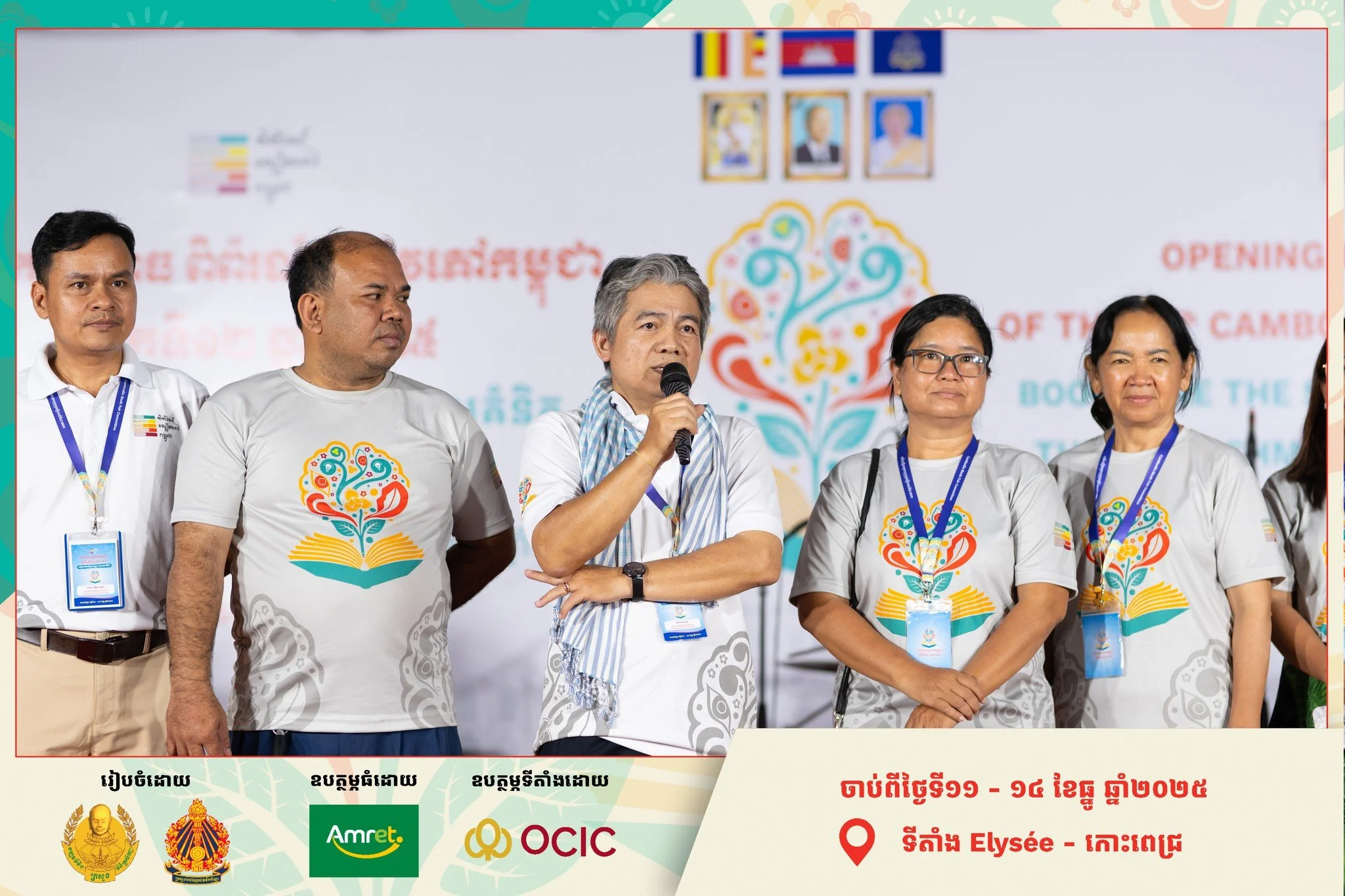
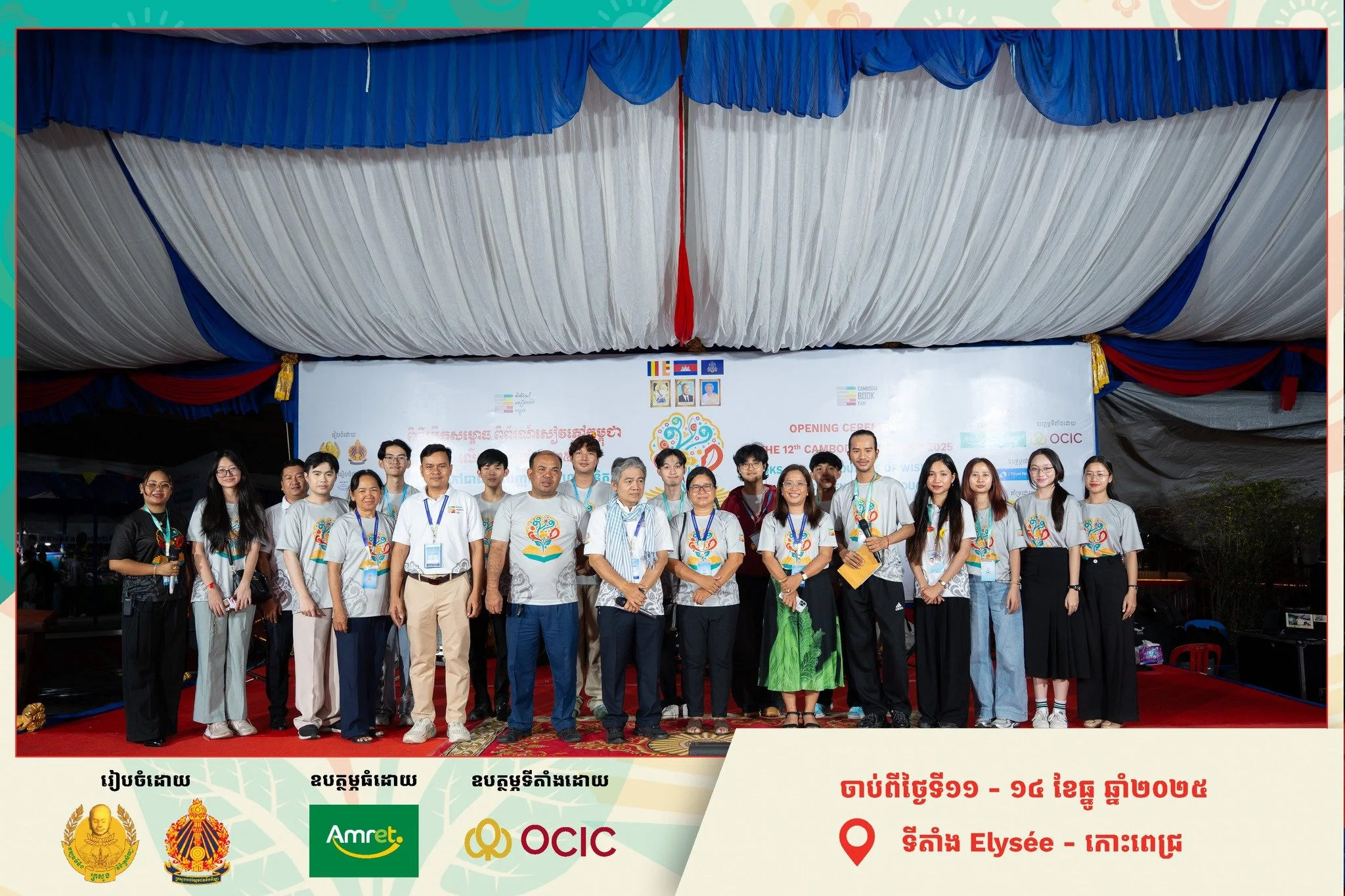
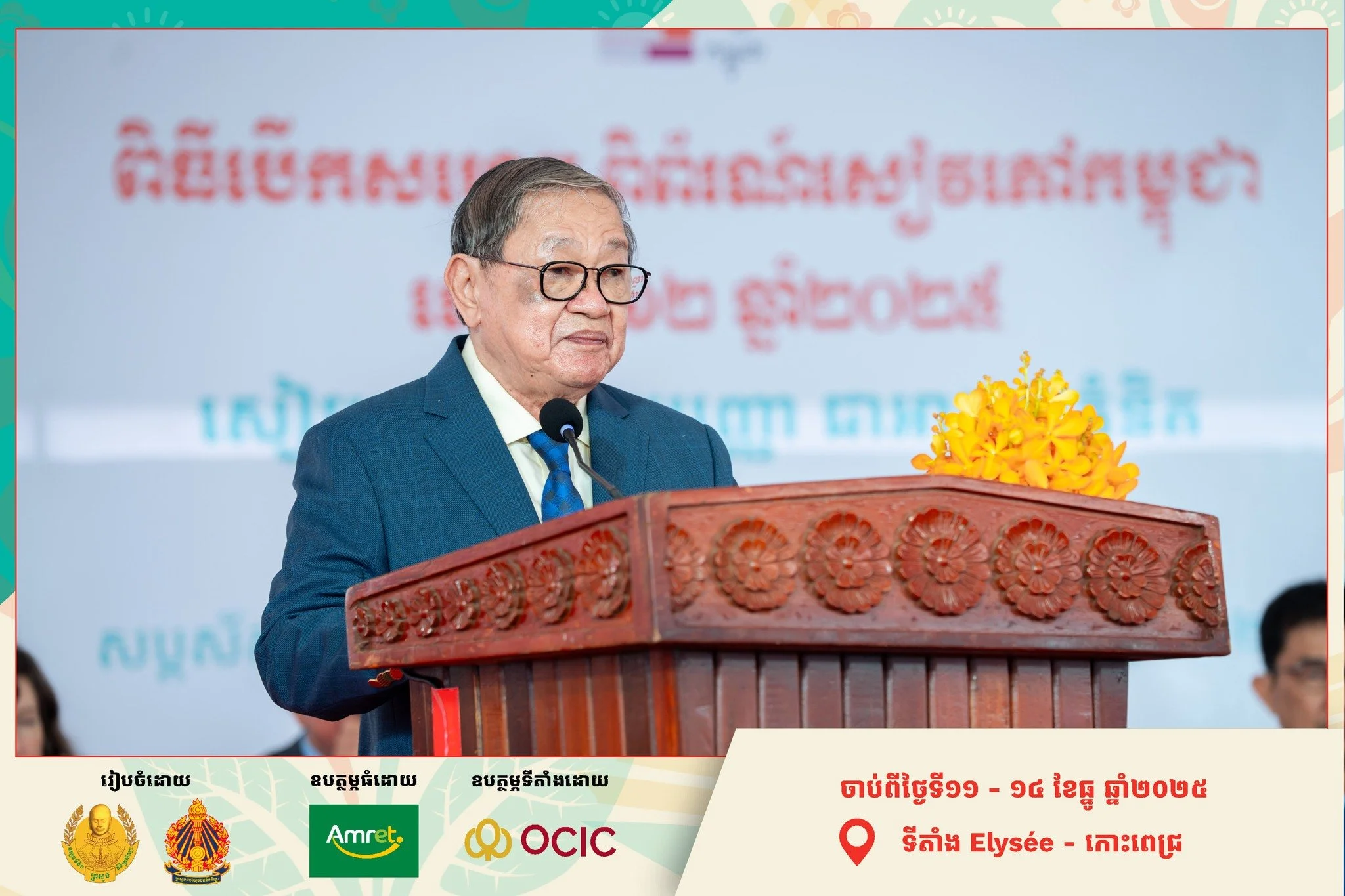
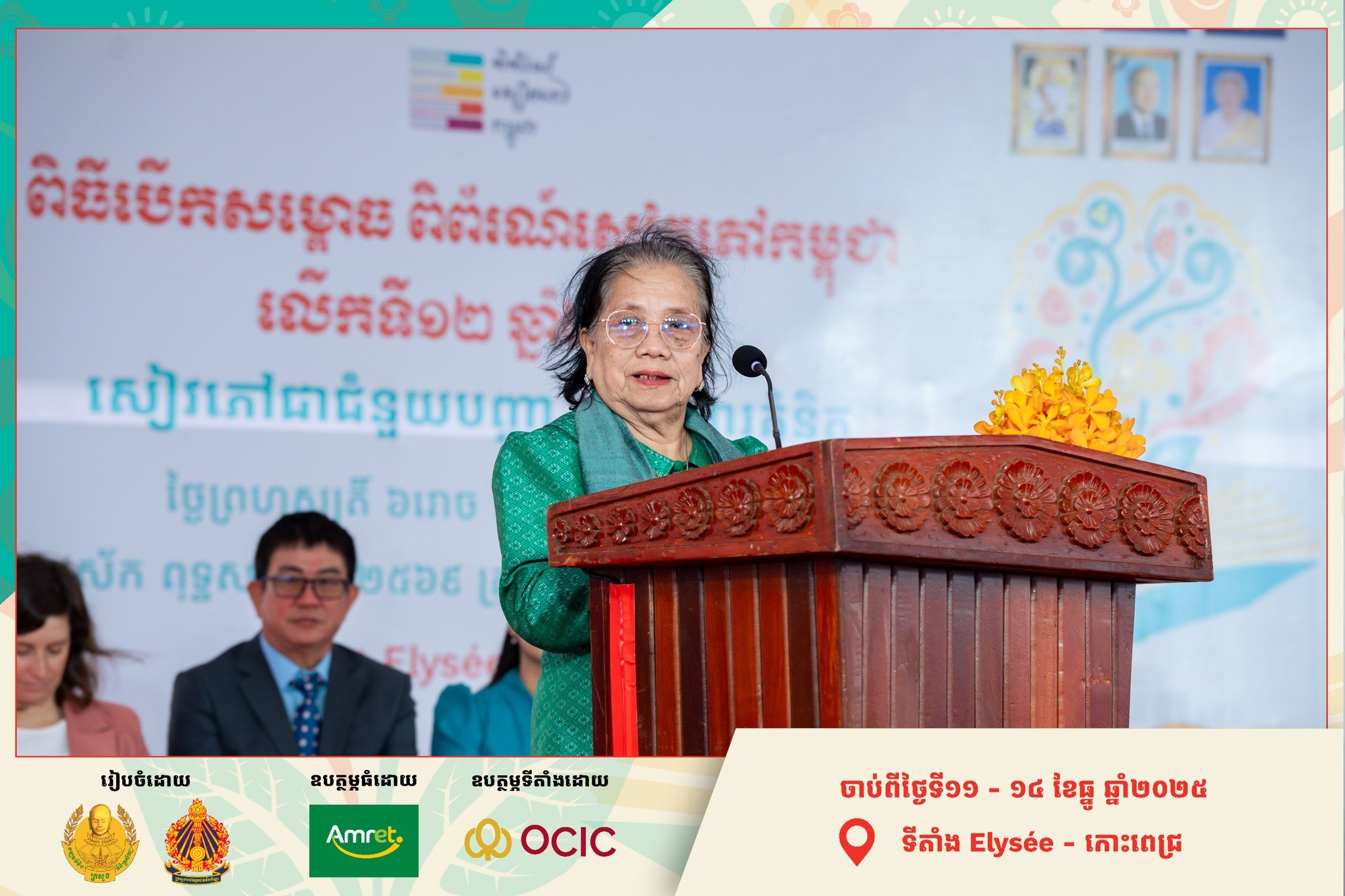
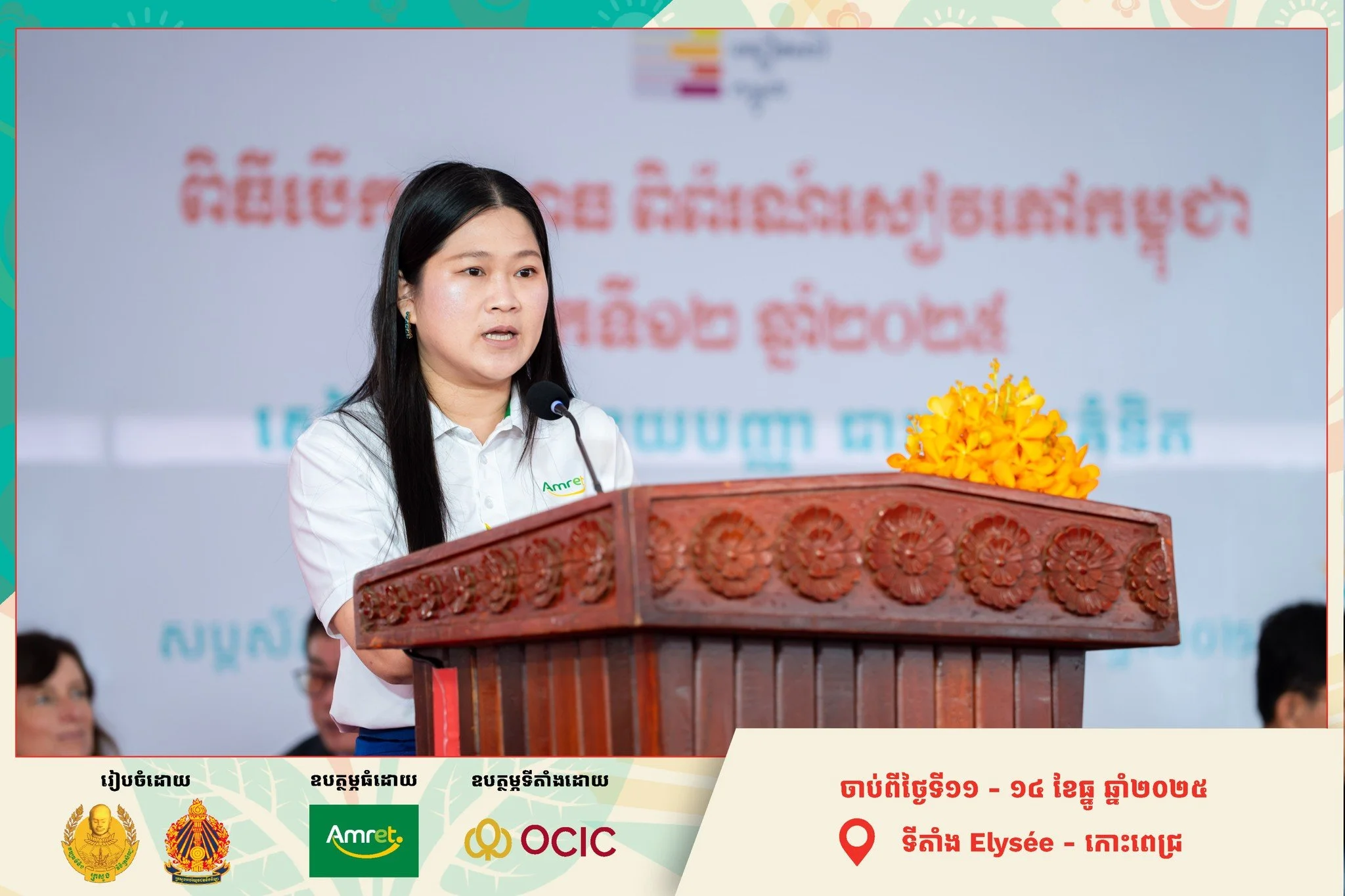
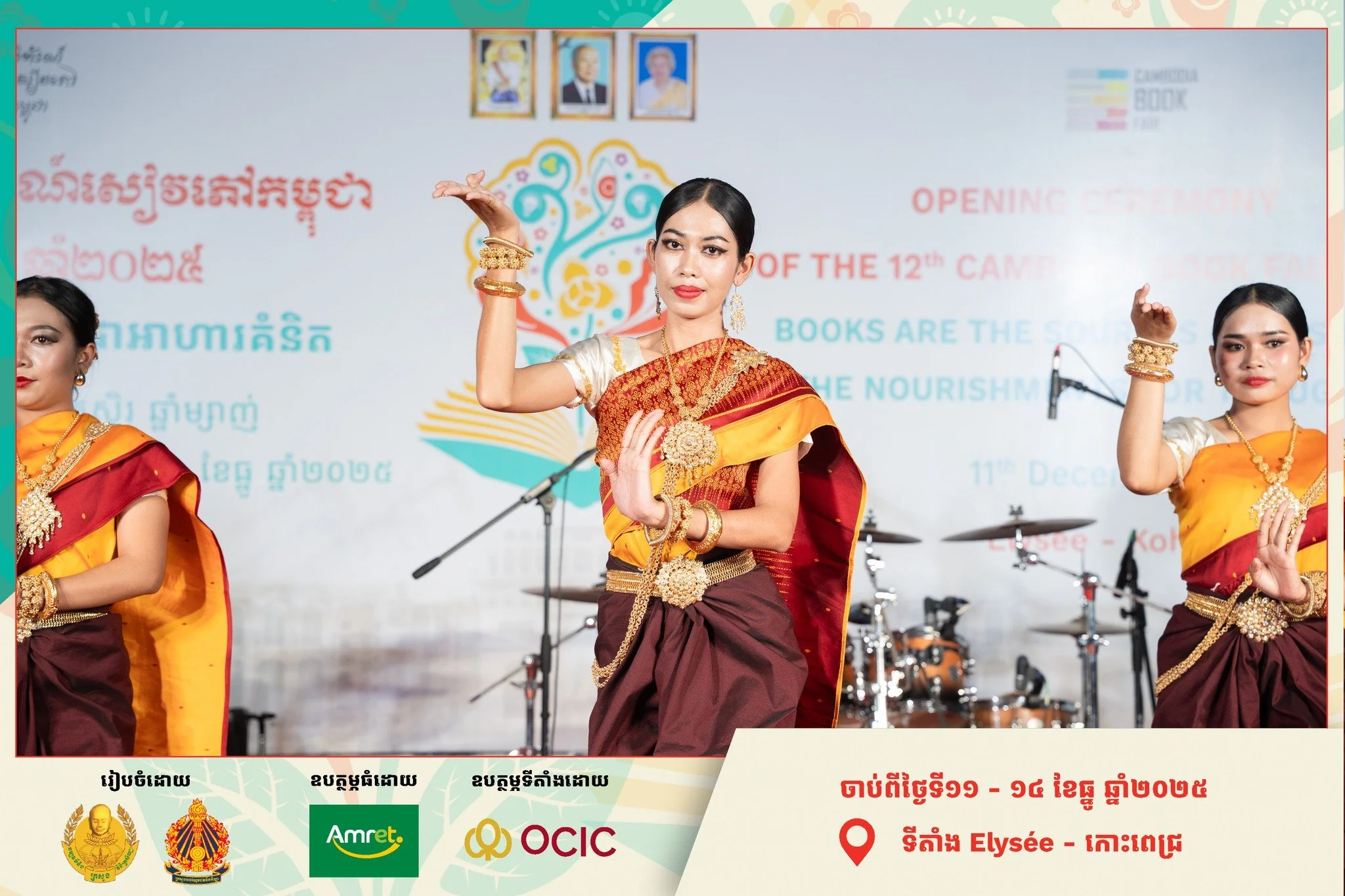
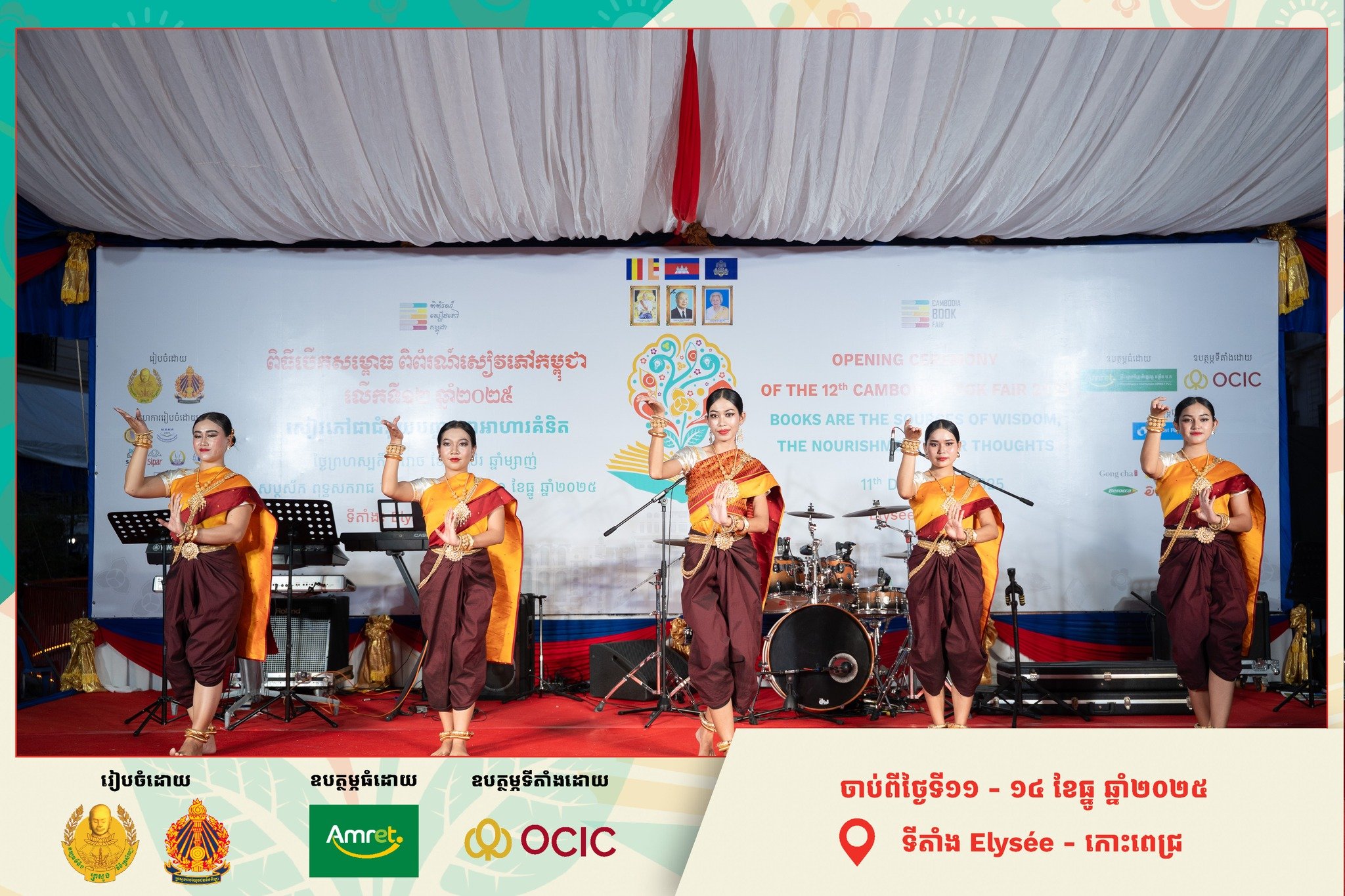
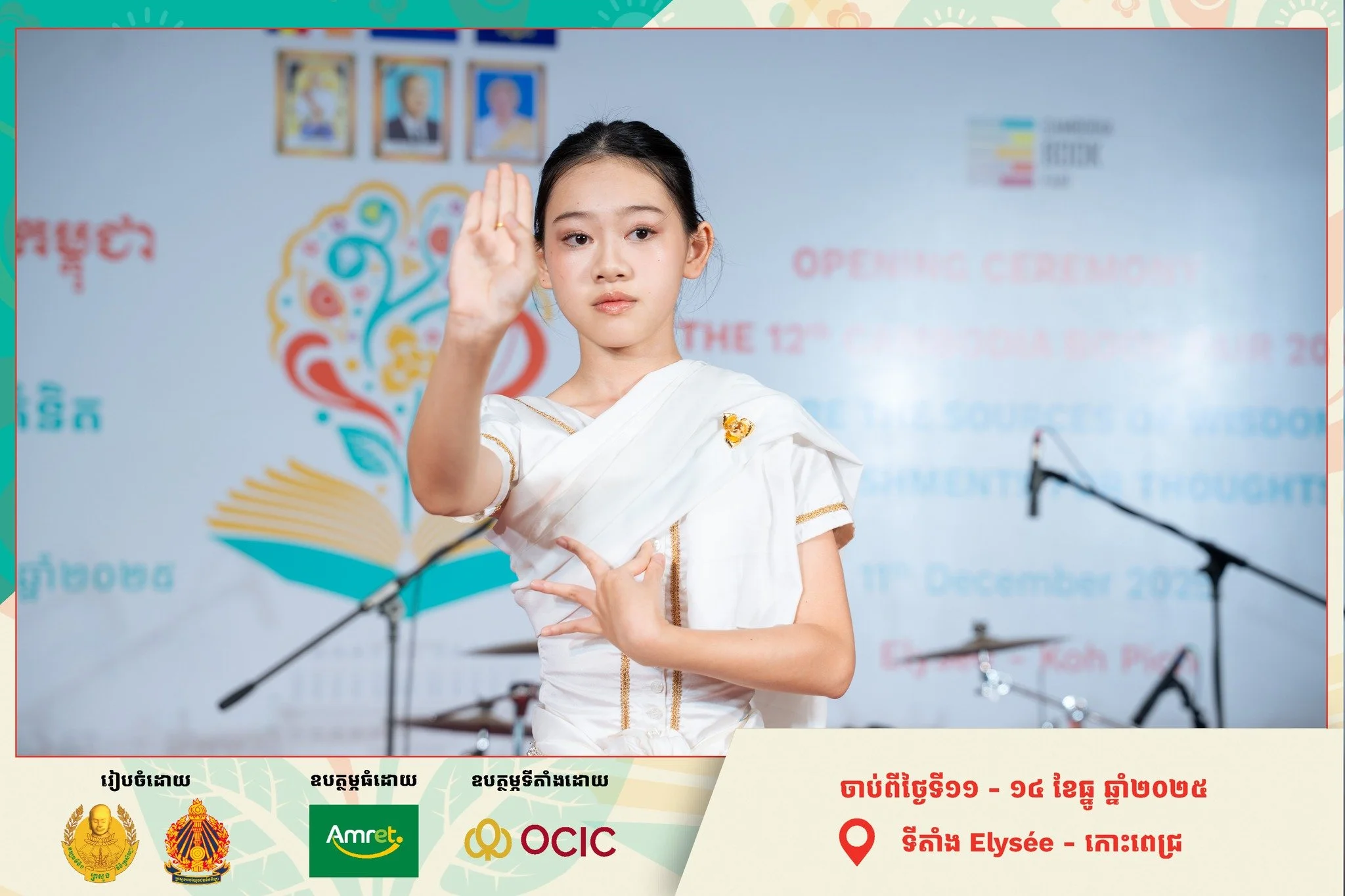
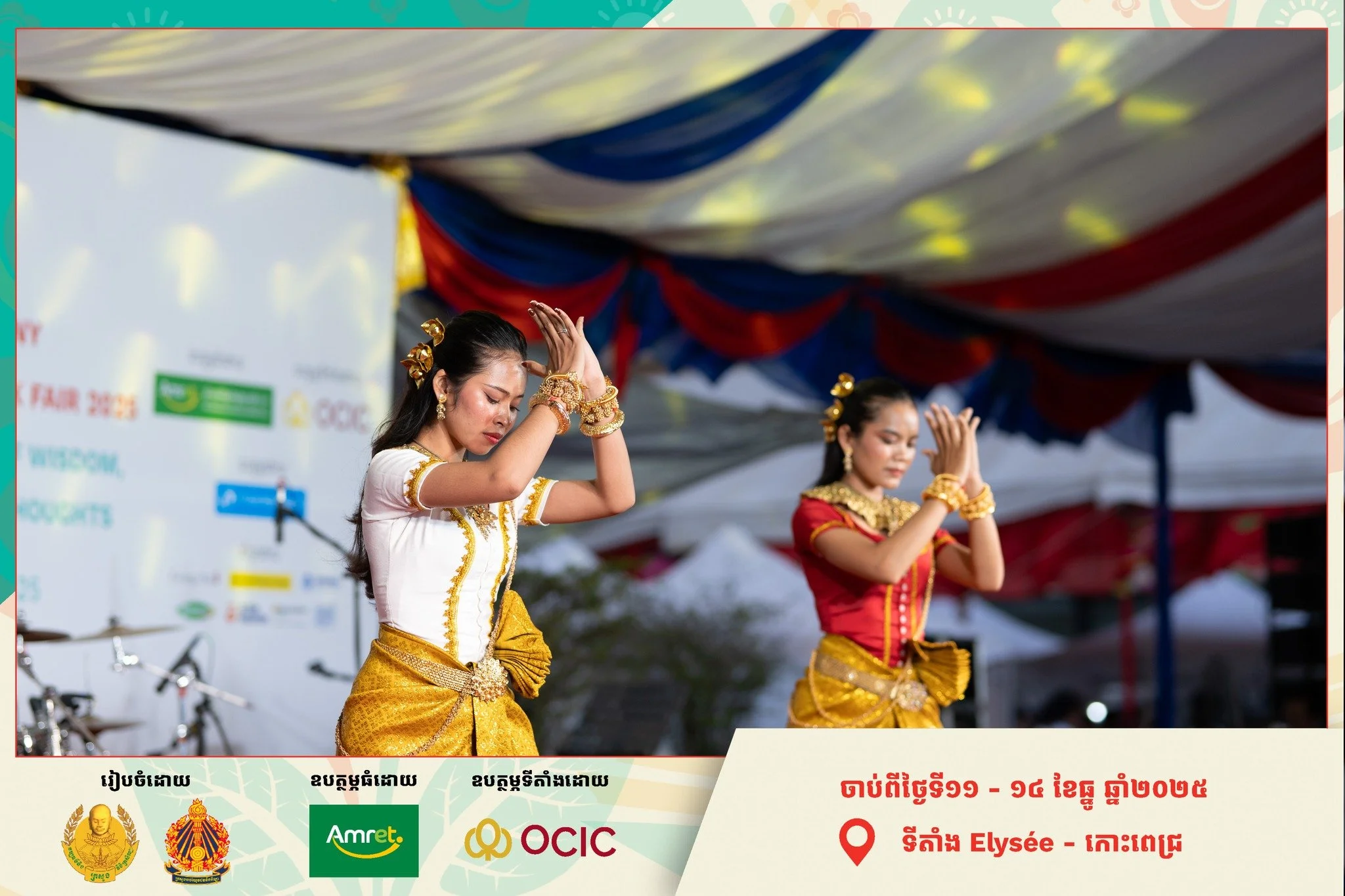
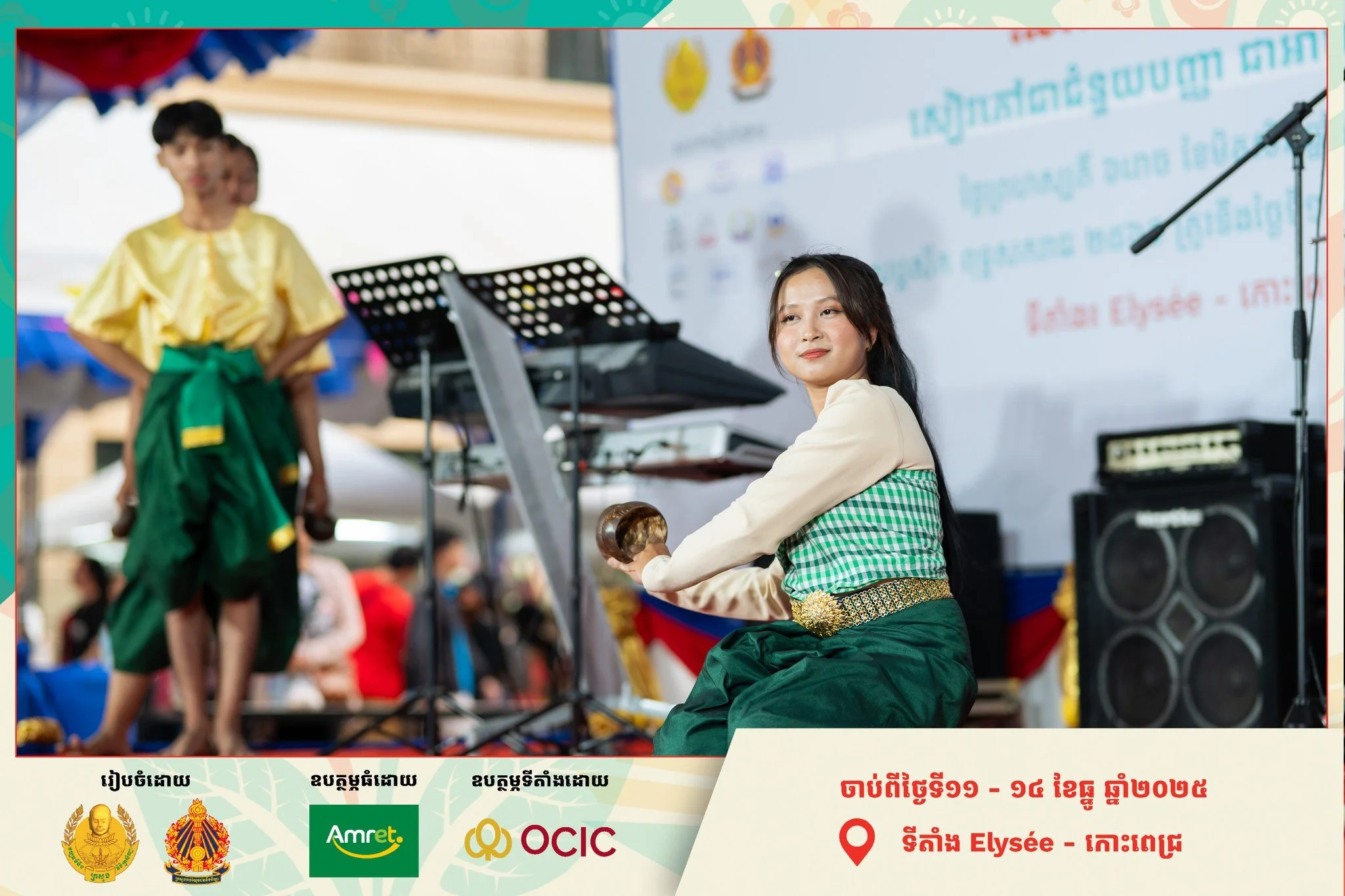
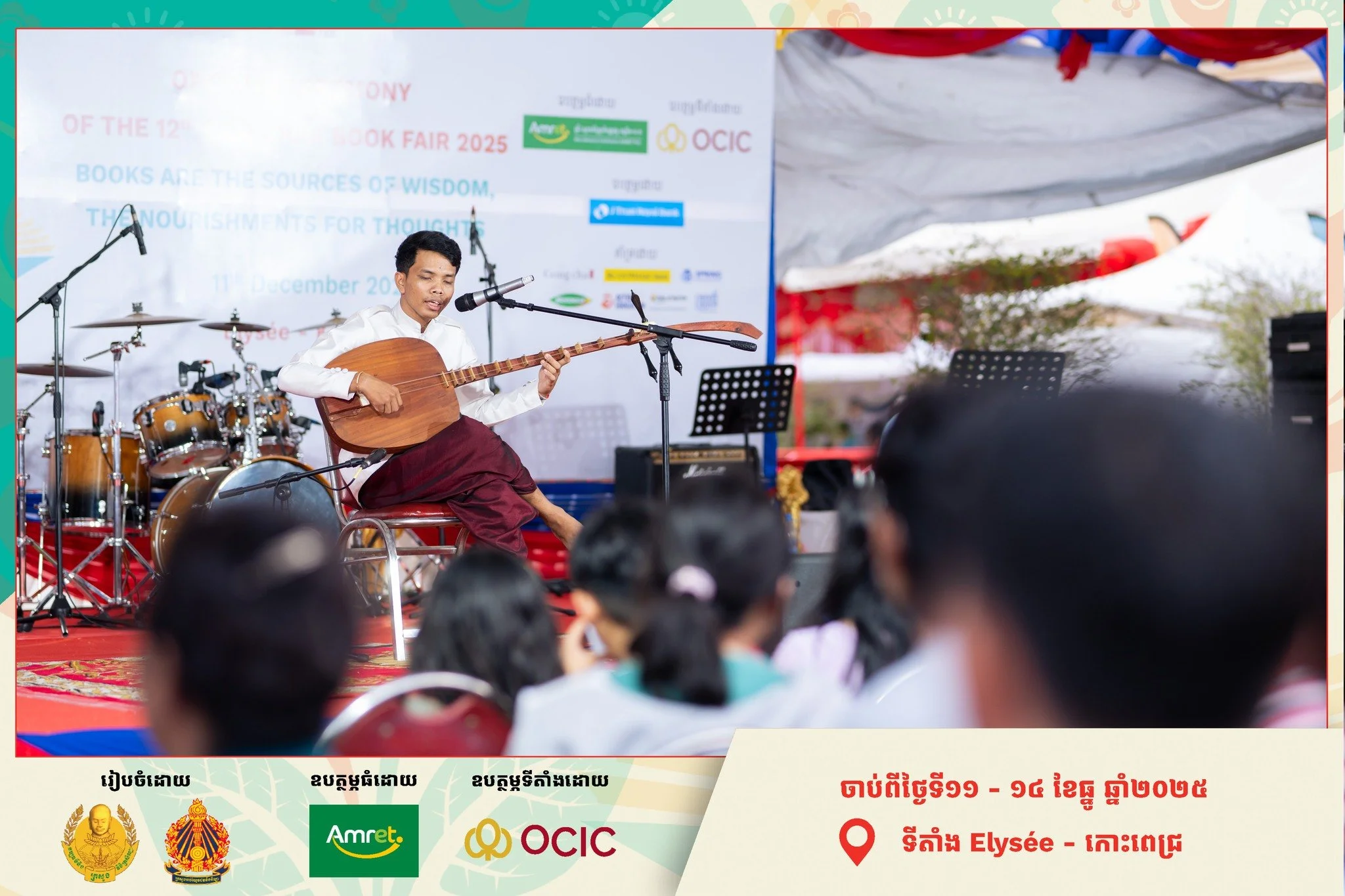
The event opened with an official inauguration ceremony, attended by senior government representatives and cultural leaders, highlighting the importance of books in strengthening education, national identity, and social development. The opening day featured traditional and contemporary cultural performances, poetry recitations, and interactive public activities that created a welcoming atmosphere for visitors of all ages.
Spotlight on Authors and Literary Excellence
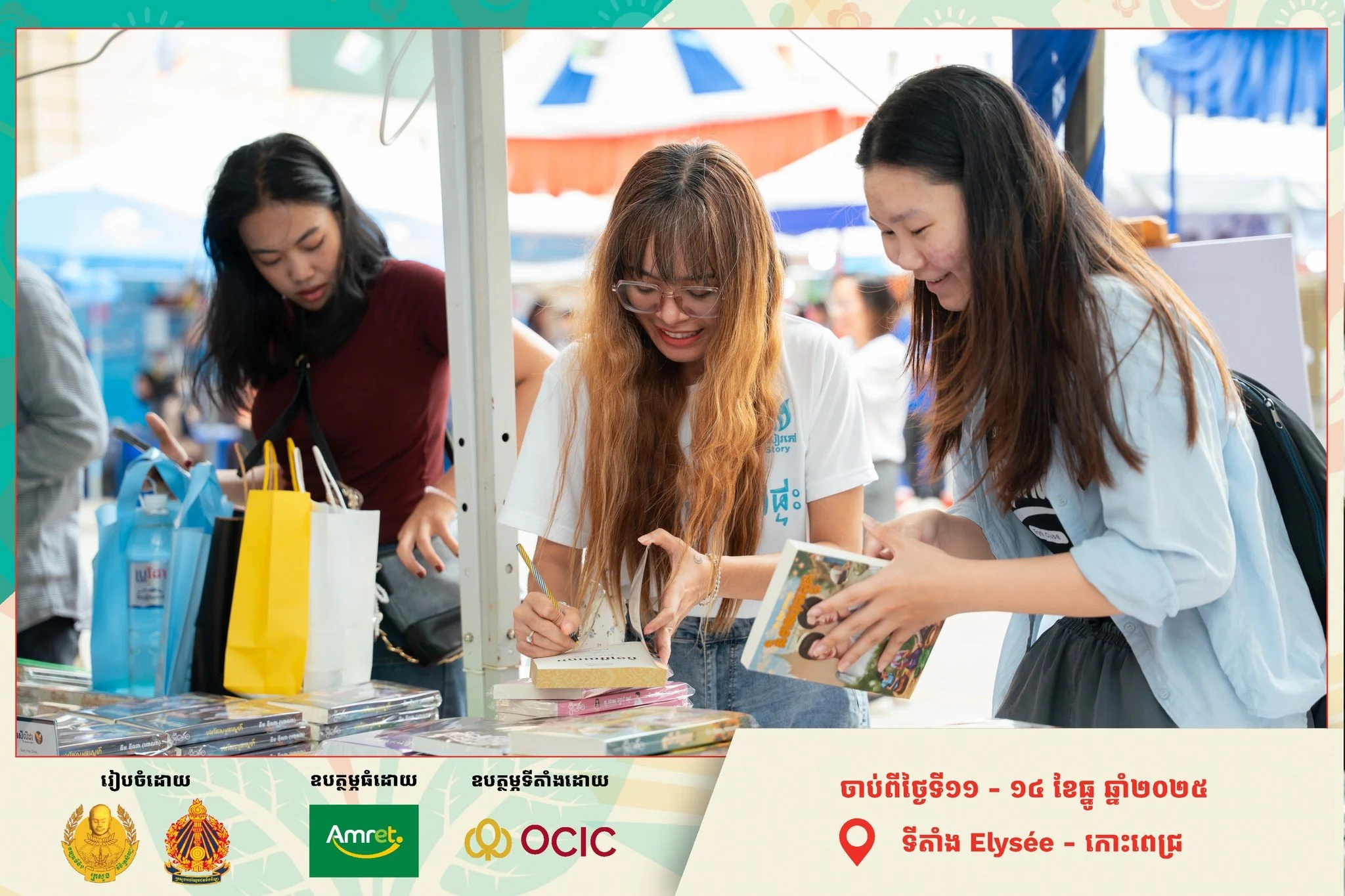
The second day of the fair focused on authors and literary contributions, including activities linked to National Writers’ Day. Visitors had opportunities to attend author talks, storytelling sessions, and panel discussions, allowing readers to engage directly with established and emerging Cambodian writers. Special sessions for children and youth emphasized storytelling as a foundation for imagination and critical thinking.
Publishing, Innovation, and Creative Industries
On the third day, the programme shifted toward publishing development and innovation, featuring professional discussions on topics such as copyright, translation, book production, and the future of Cambodia’s publishing industry. The fair also highlighted the growing connection between literature and other creative sectors, including music, fashion, and performance, demonstrating how books contribute to a broader creative economy.
Youth Engagement and Closing Celebrations
The final day placed strong emphasis on youth participation and creativity, with book-themed competitions, interactive dialogues, and artistic performances that blended literature with contemporary cultural expression. The fair concluded with an official closing ceremony, summarizing key achievements and reaffirming long-term commitments to promoting reading and supporting authors and publishers.
Strengthening a National Reading Platform
Throughout the four days, the Cambodia Book Fair 2025 offered a balanced programme that combined education, cultural celebration, industry dialogue, and public engagement. Organisers noted that the fair continues to serve not only as a marketplace for books, but also as a strategic national platform supporting literacy, creative talent, and lifelong learning.
As Cambodia’s book and publishing sector continues to evolve, the Cambodia Book Fair remains a cornerstone event that connects readers with ideas, empowers writers, and reinforces the cultural value of reading in Cambodian society.
Beyond book exhibitions and sales, the fair offered a wide range of special events and interactive learning opportunities. These included National Writers’ Day celebrations, the announcement of the Queen Indra Devi Literature Award winner, and ASEAN participation that supported regional cultural exchange. The programme also featured an e-publishing forum exploring modern publishing trends, alongside Khmer literature and science-related activities.
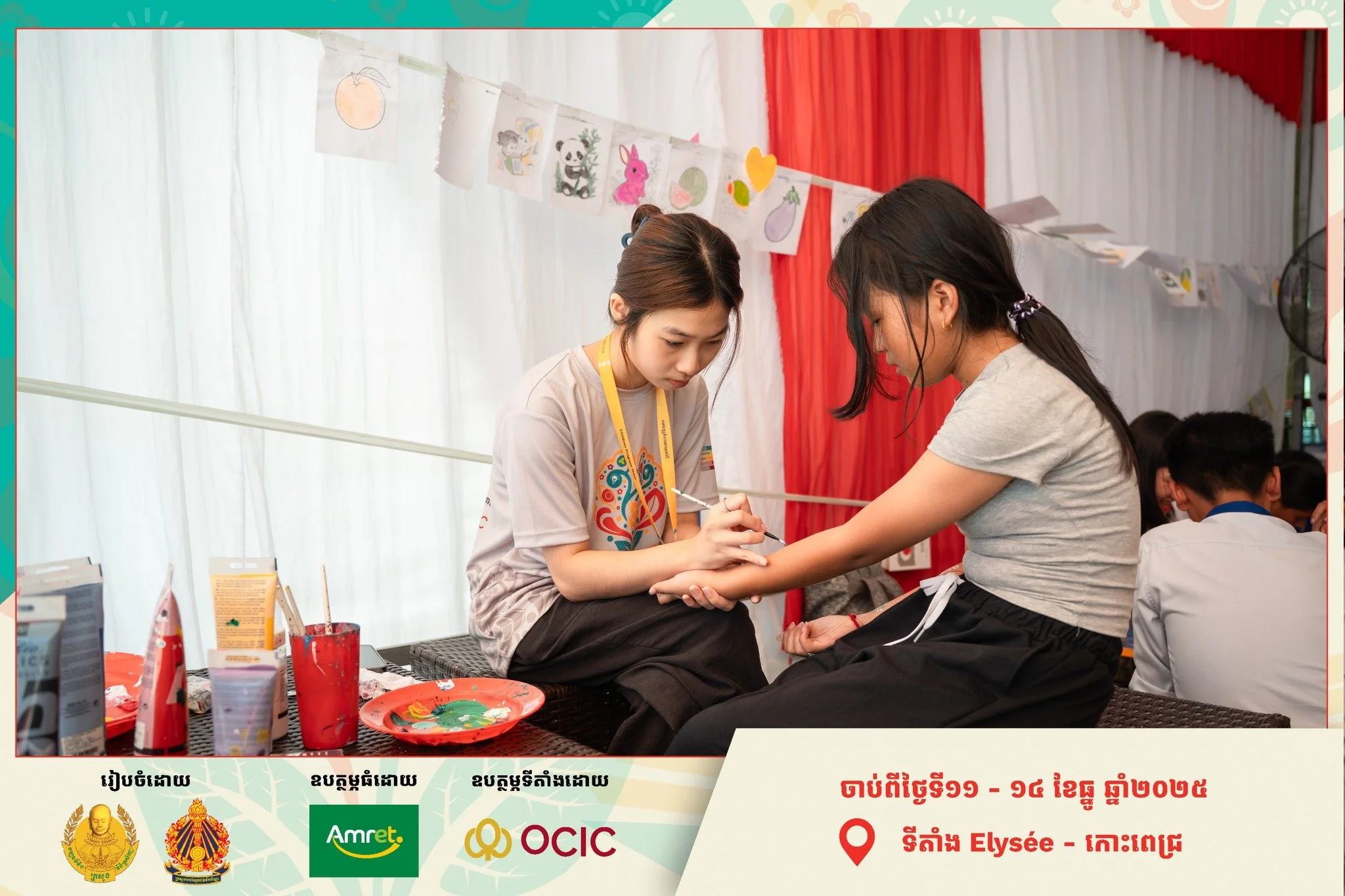
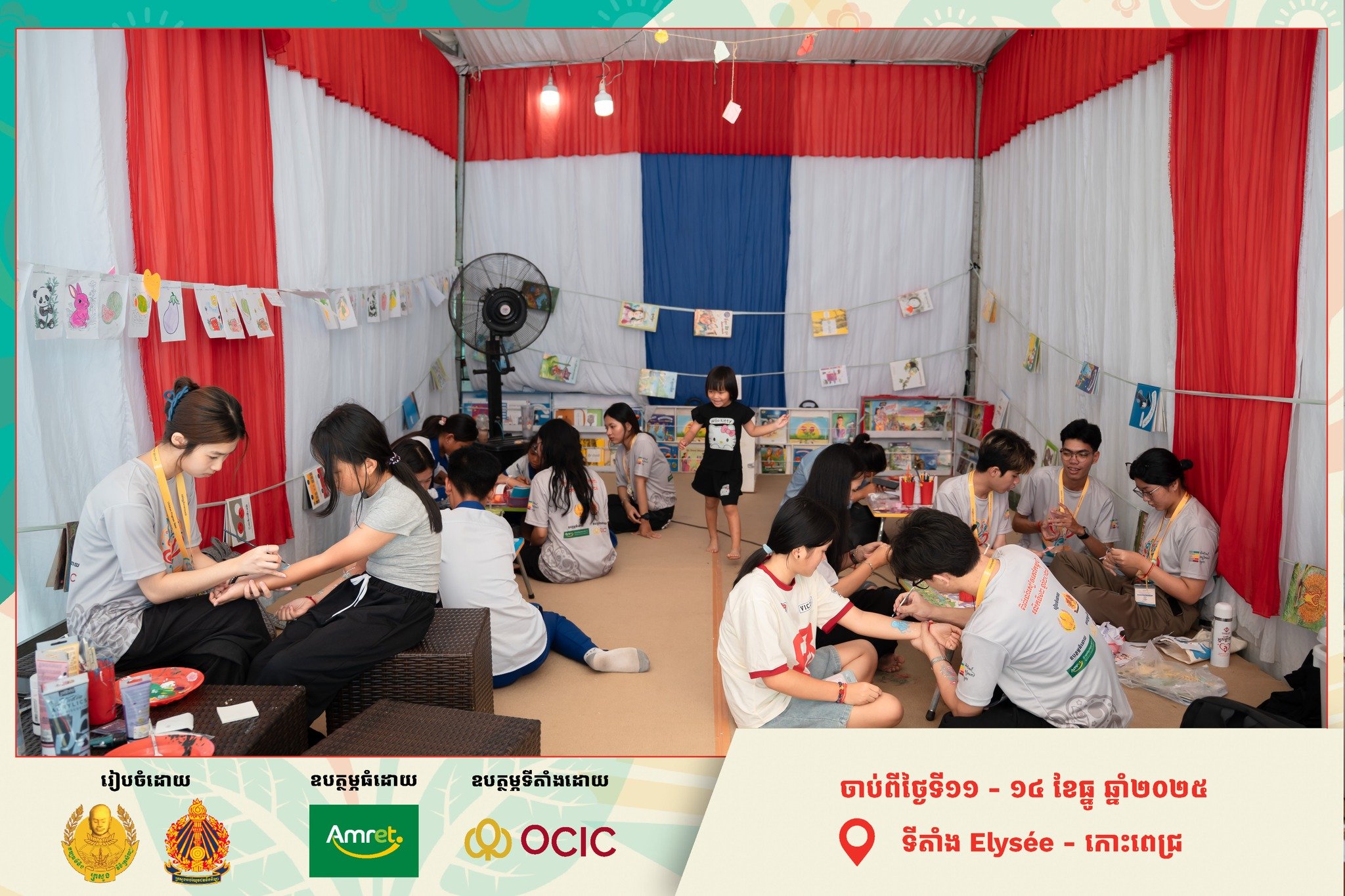
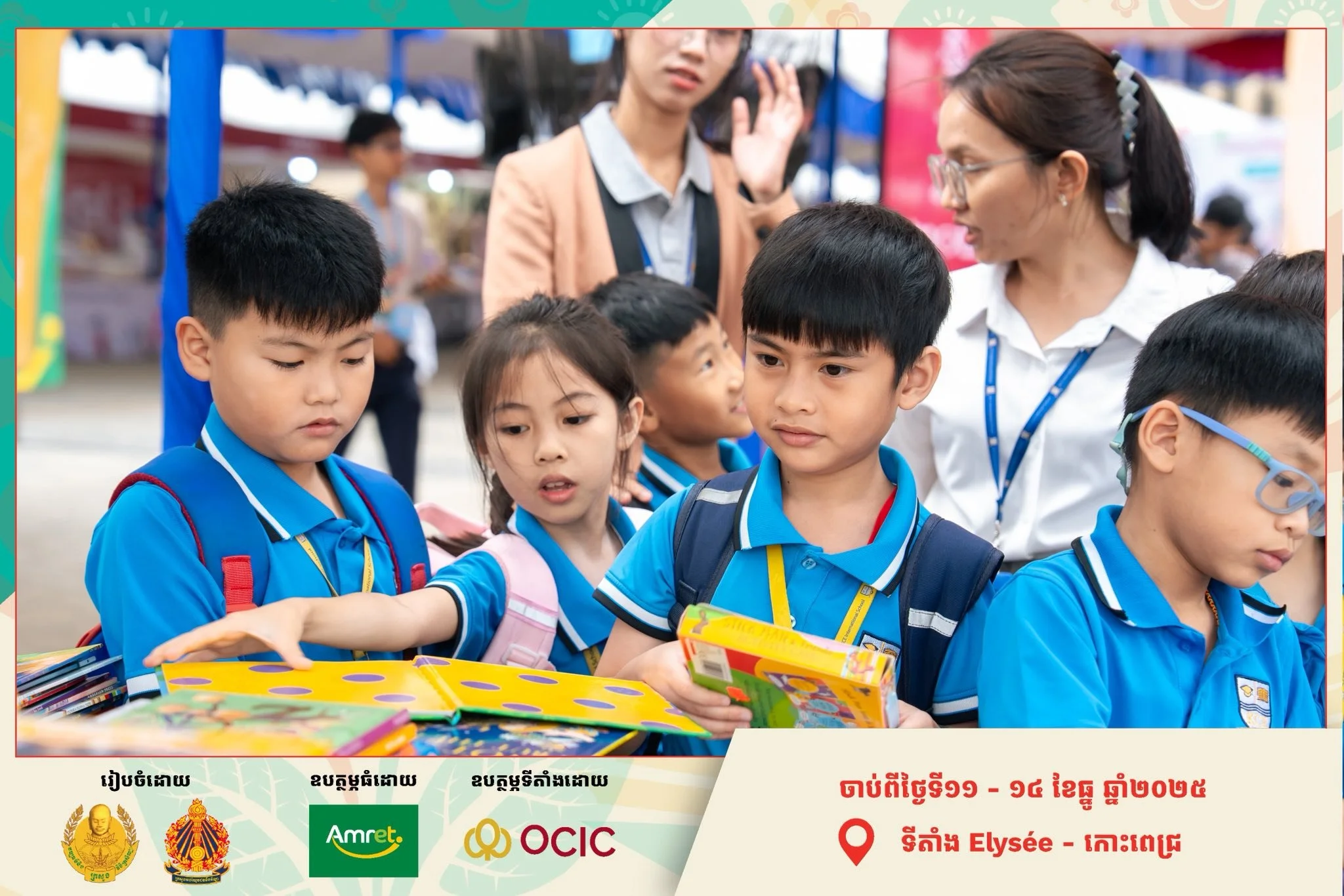
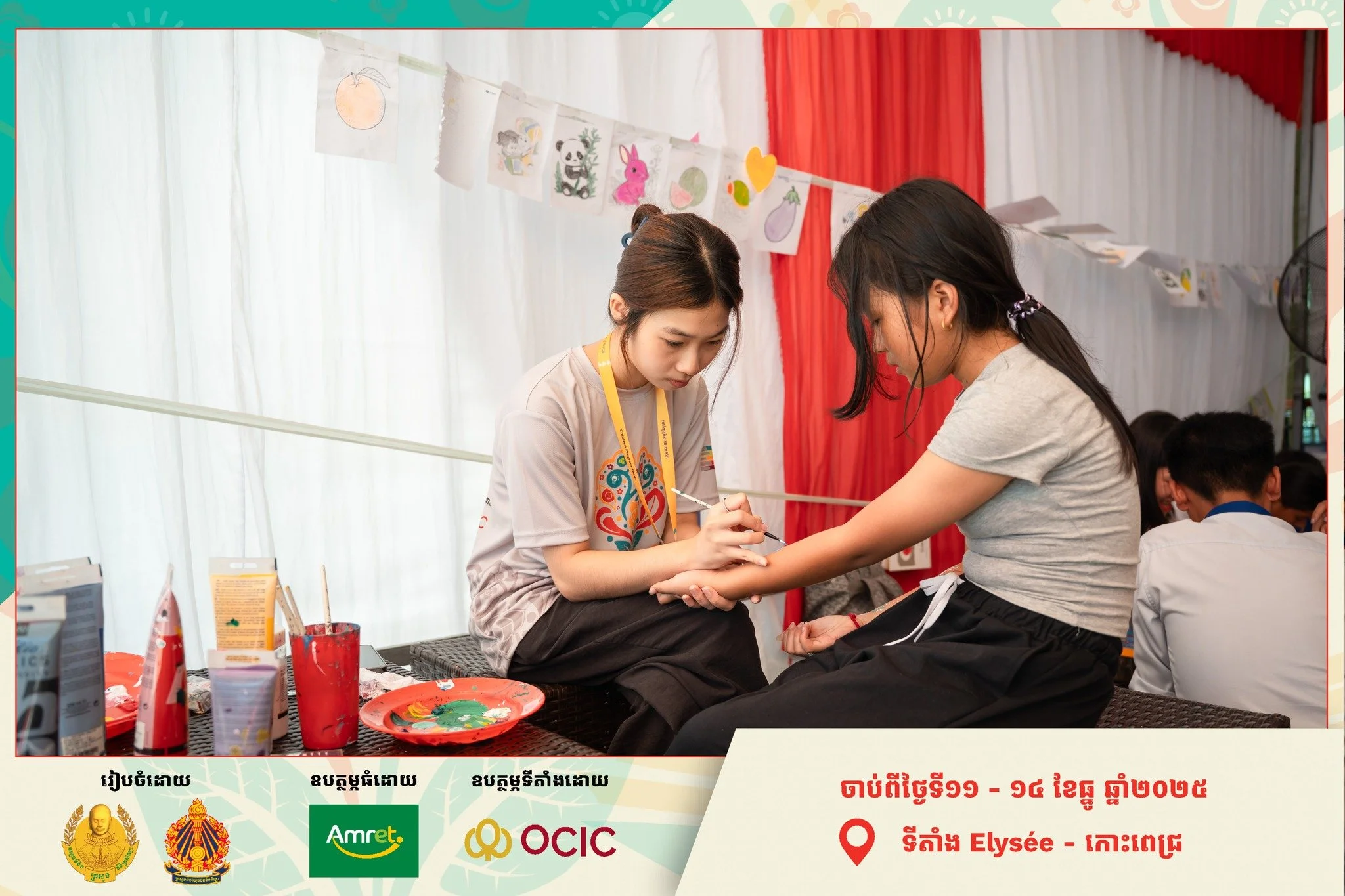
Additional initiatives focused on nurturing early reading skills through storytelling sessions and educational games for children. Visitors were also able to join discussion sessions and experience-sharing with well-known authors, as well as take part in quizzes, prize-giving activities, and cultural performances.
Together, these programmes ensured that the Cambodia Book Fair functioned as more than a marketplace. It became a vibrant learning festival that promoted literacy, creativity, and lifelong reading for people of all ages.
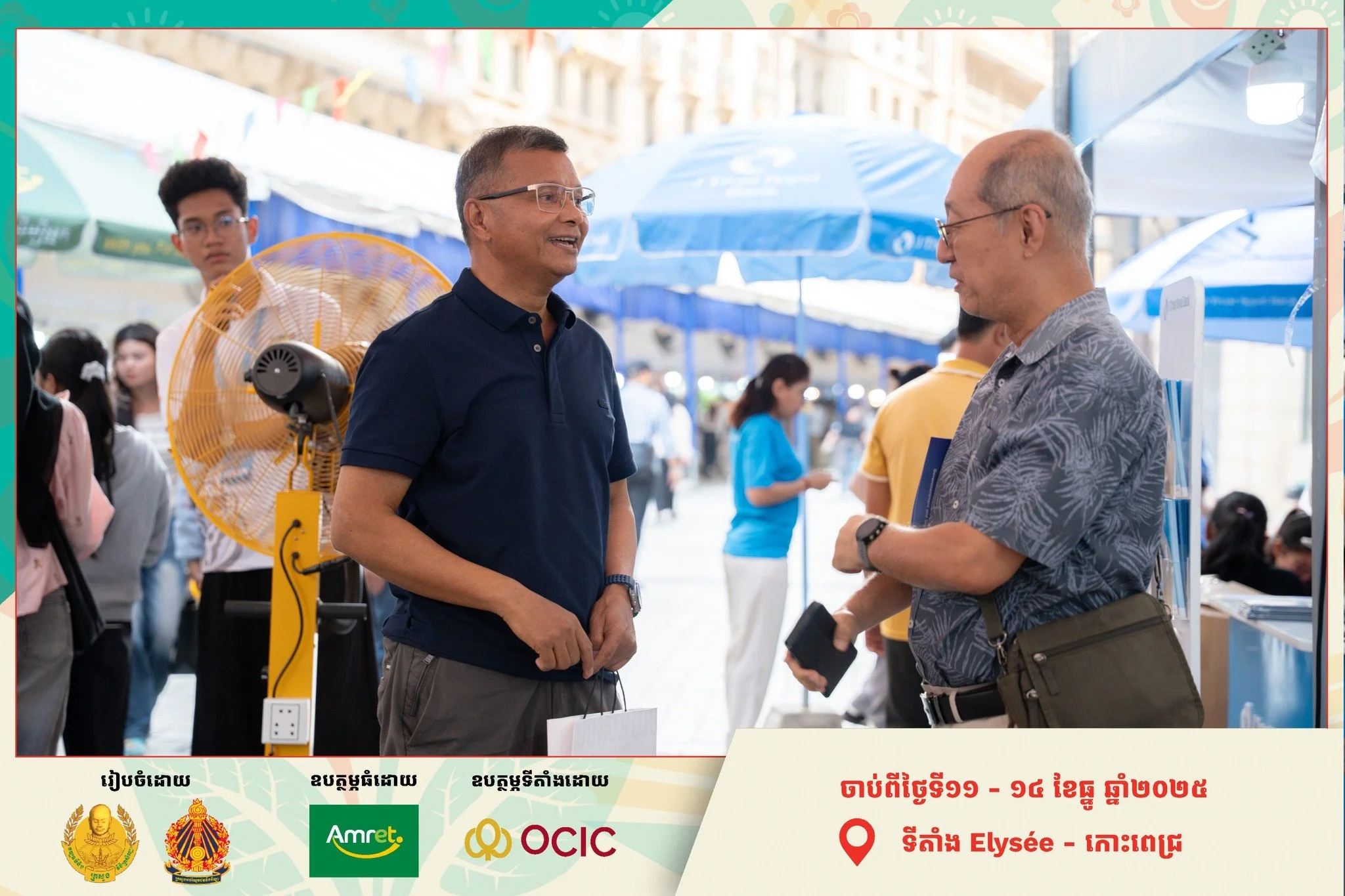
Positive Impact & Growth Highlights (2011–2025)
The fair brought together a diverse community, including:
publishers, bookstores, and book distributors,
Cambodian authors, illustrators, and creatives,
students, teachers, parents, and general readers,
representatives from ministries and partner institutions,
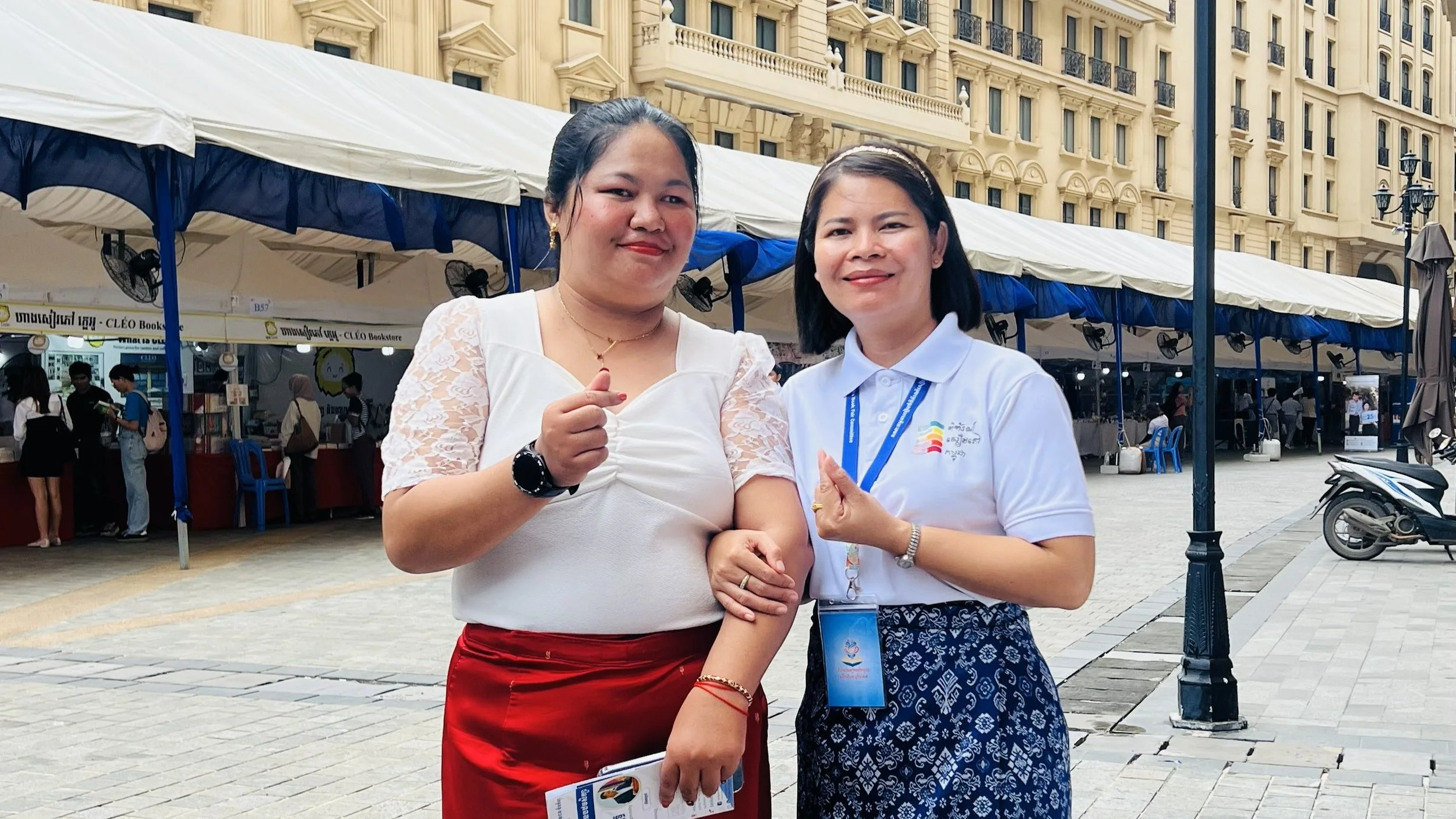
Cambodian Librarian Association (CLA) members and librarians.
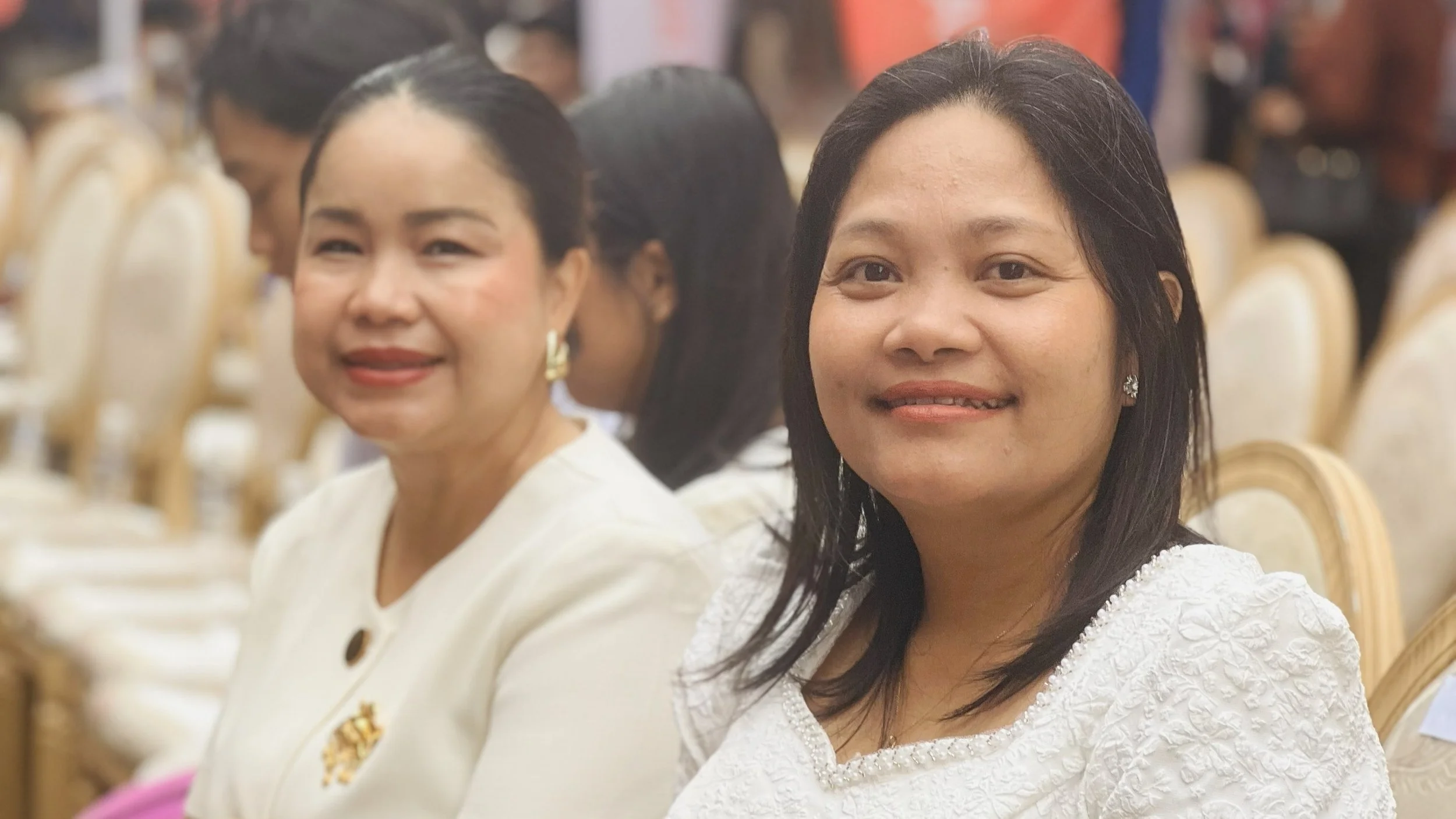
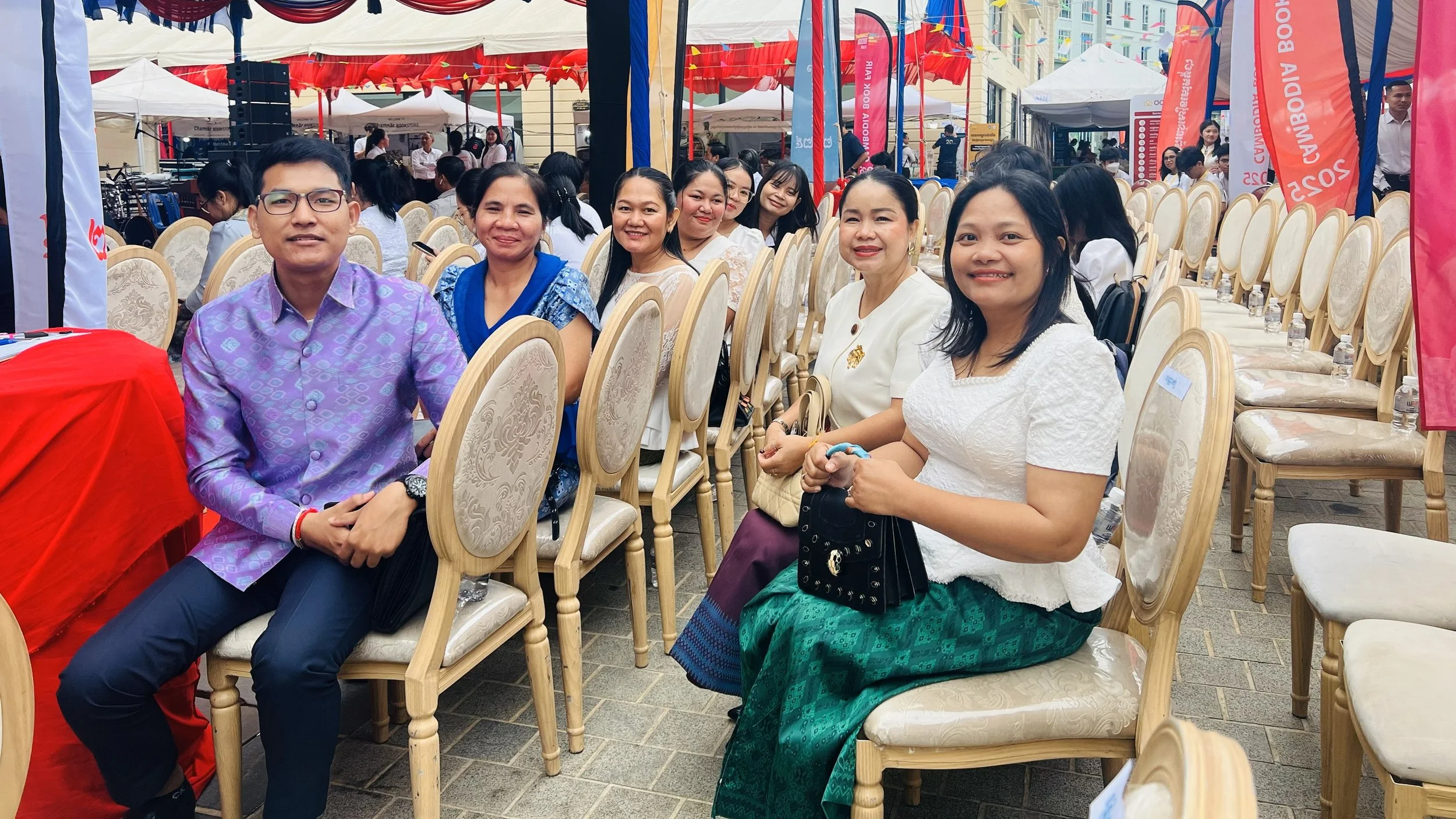
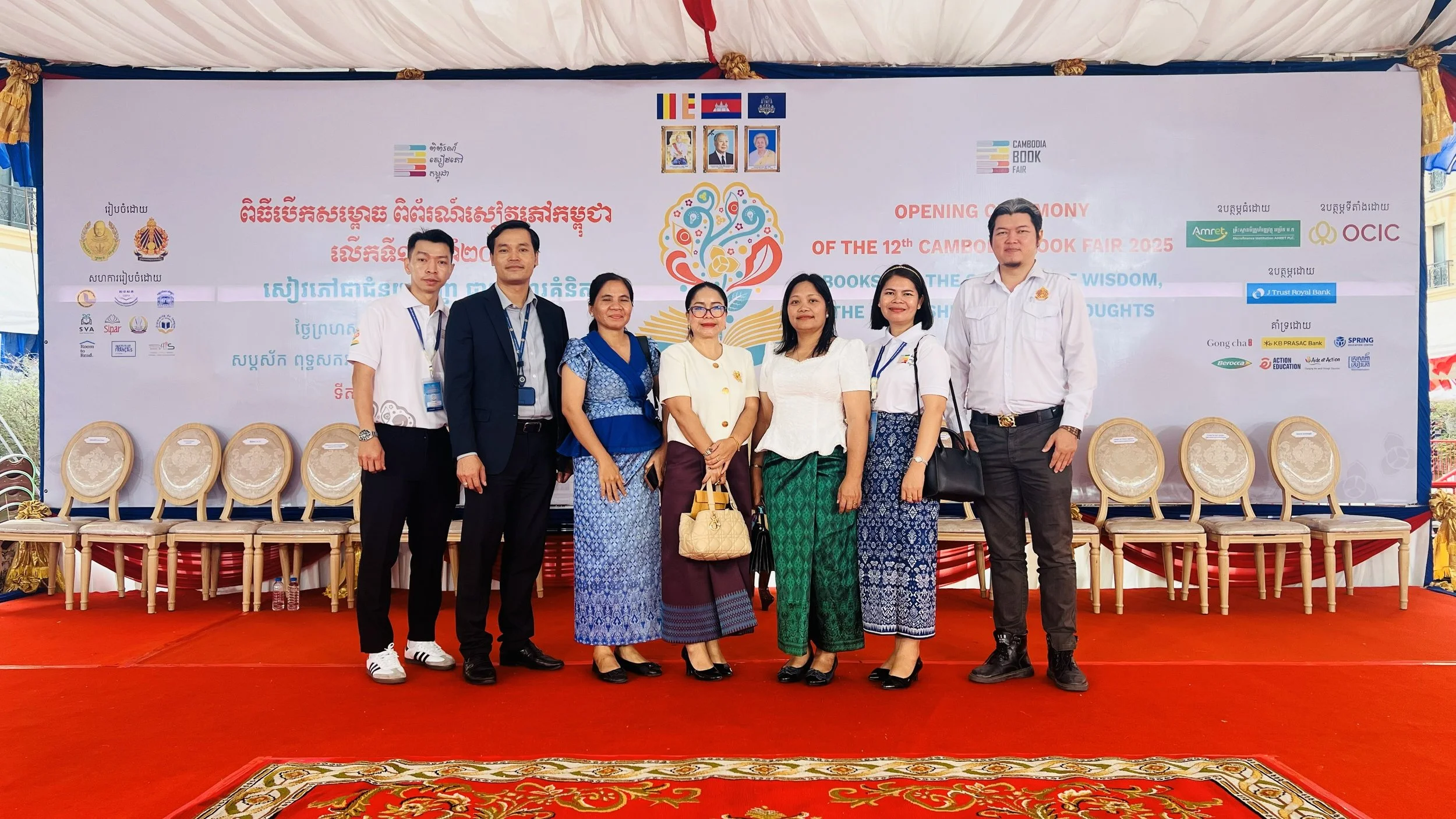
Notably, librarians from the Cambodian Librarian Association (CLA) joined the opening event, demonstrating CLA’s support for national reading initiatives and the continued growth of Cambodia’s book and publishing sector.
From a Small Initiative to a National Cultural Platform
Launched in 2011 with just ten booths, the Cambodia Book Fair has grown steadily into one of the country’s most influential annual cultural and educational events. Over more than a decade, the fair has become a trusted national platform that brings together authors, publishers, educators, libraries, students, and families, strengthening Cambodia’s reading culture and creative economy.
Key Positive Developments Across the Years
Fair Growth History (2011–2025)
| Year | Ed. | Booths | Visitors | Impact |
|---|---|---|---|---|
| 2011 | 1st | 10 | 1,000 | Inaugural fair launched; laid the foundation for a national reading movement |
| 2013 | 2nd | 30 | 4,500 | Early expansion phase; increasing trust from schools and libraries |
| 2014 | 3rd | 40 | 7,500 | Growing participation from local publishers |
| 2015 | 4th | 50 | 12,000 | Strengthened partnerships with educational institutions |
| 2016 | 5th | 63 | 25,000 | Rapid audience growth and wider media coverage |
| 2017 | 6th | 83 | 51,000 | Consolidated status as a key national cultural event |
| 2018 | 7th | 110 | 130,000 | Major surge in public engagement and youth attendance |
| 2019 | 8th | 145 | 180,000 | Established as a major national cultural event with strong public engagement |
| 2022 | 9th | 200 | 109,500 | Demonstrated resilience and continuity post-pandemic |
| 2023 | 10th | 250 | 200,000 | Peak engagement year; strong market confidence and broad publisher participation |
| 2024 | 11th | 294 | 160,000 | Quality-driven participation; highest diversity of titles and increased book sales |
| 2025 | 12th | 295 | 90,000 | Strategic focus on sustainability, innovation, and targeted audience engagement |
Early Years (2011–2017): Building Foundations
Strong focus on reading awareness and access
Gradual expansion reflecting growing public trust
Libraries, schools, and local publishers increasingly used the fair as a collaboration hub
Growth and Consolidation (2018–2019)
Visitor numbers rose sharply, reaching around 180,000 in 2019
Established as a major national cultural event
Increased engagement from young readers and families
Resilience and Continuity (2020–2022)
Maintained relevance despite global challenges
More than 520,000 cumulative visitors across multiple editions
Strengthened role as a stable anchor of the literacy and publishing ecosystem
Peak Engagement and Market Strength (2023)
~200,000 visitors, one of the strongest years on record
~300 booths representing local and international publishers
~90,000 books exhibited, reflecting sector growth and diversity
Quality-Driven Participation (2024)
~160,000 visitors, with higher purchasing intent
293 booths and ~120,000 books, the highest title volume to date
Booksellers reported stronger sales and more intentional buying
Focused Sustainability and Innovation (2025)
~90,000 visitors, representing a more targeted and purpose-driven audience
~295 booths and ~90,000 books exhibited
Emphasis on innovation, sustainability, and long-term industry resilience
Strong engagement from local and international partners

Exhibition and Book Displays
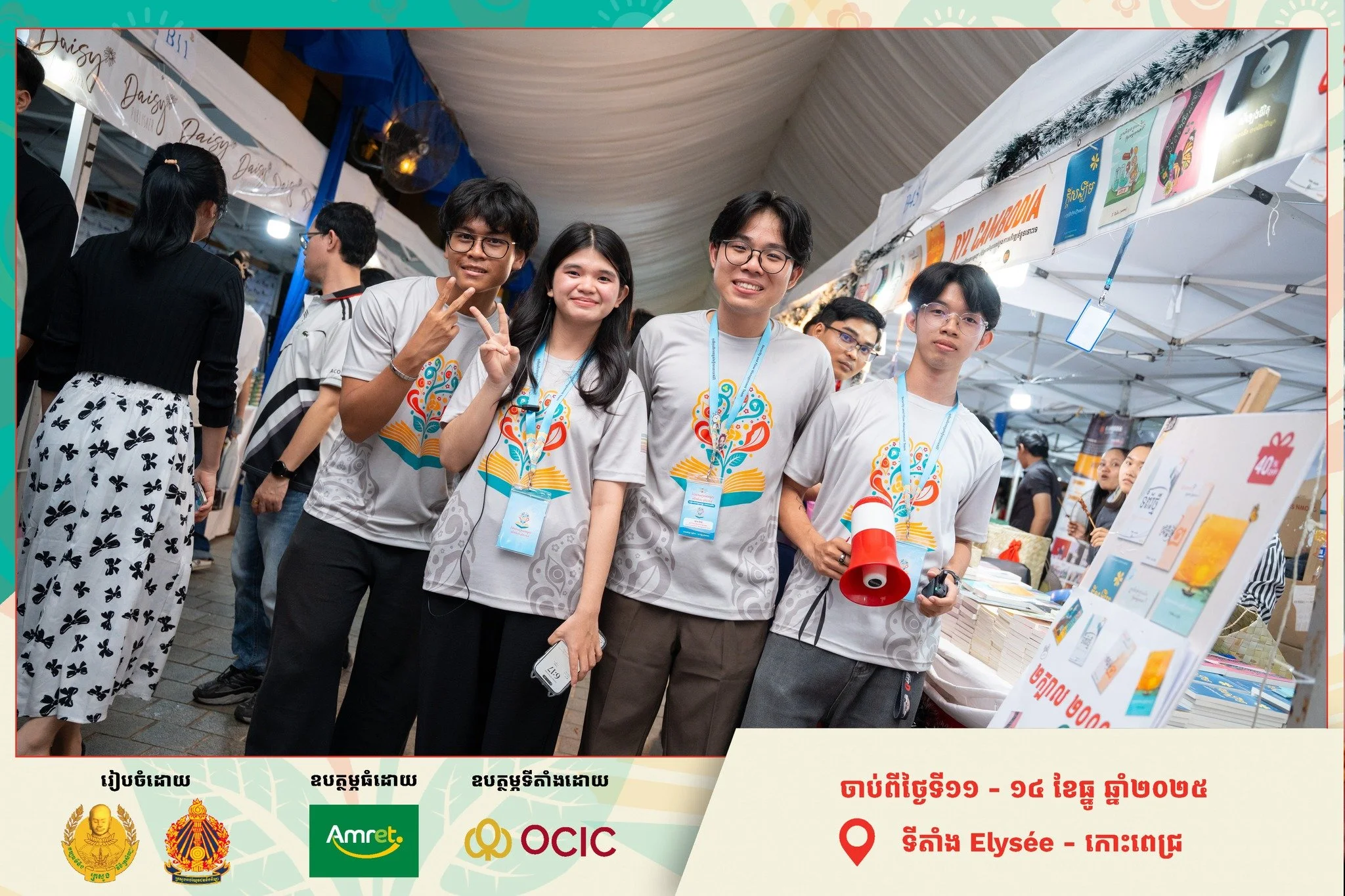
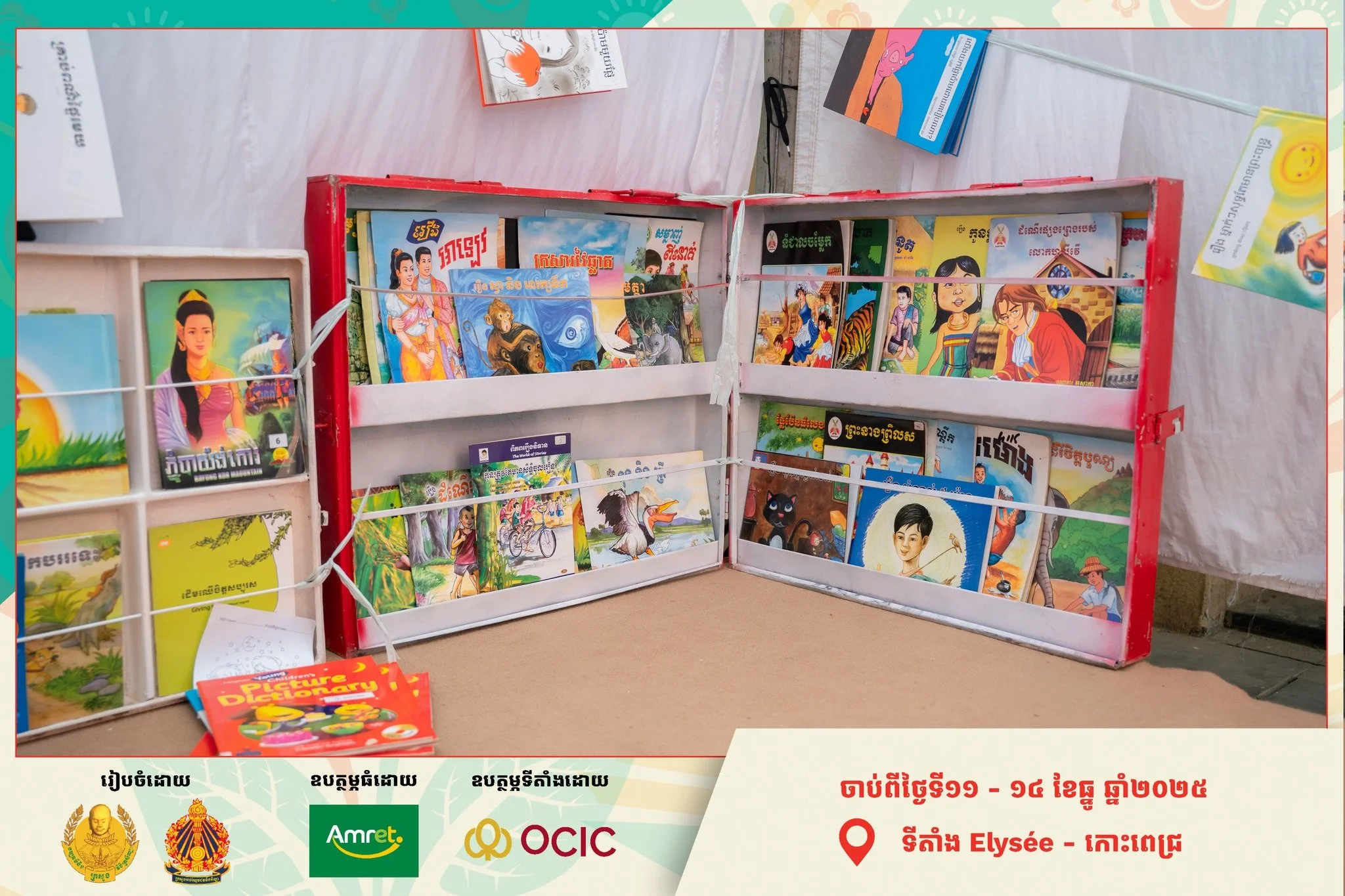
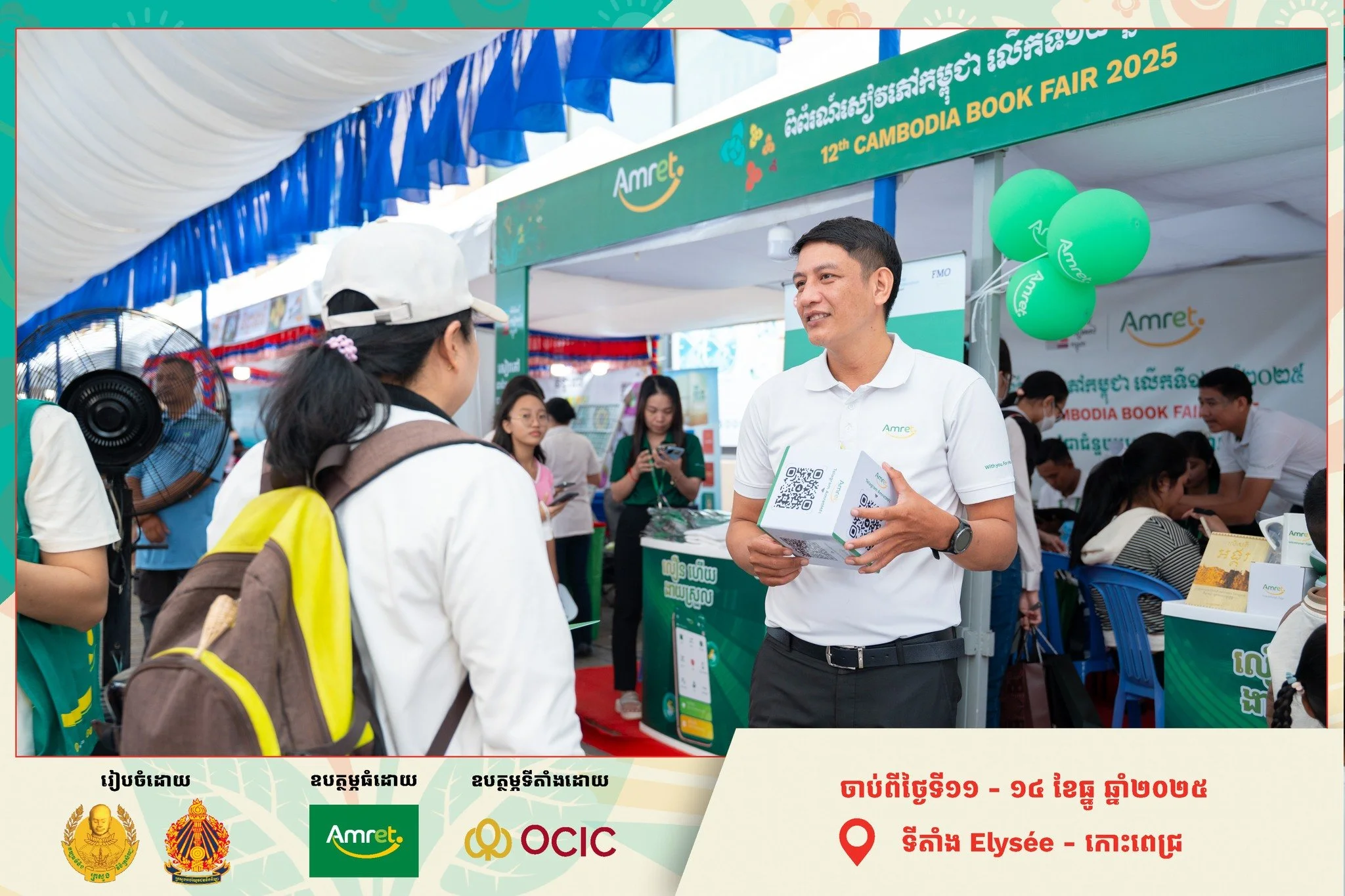
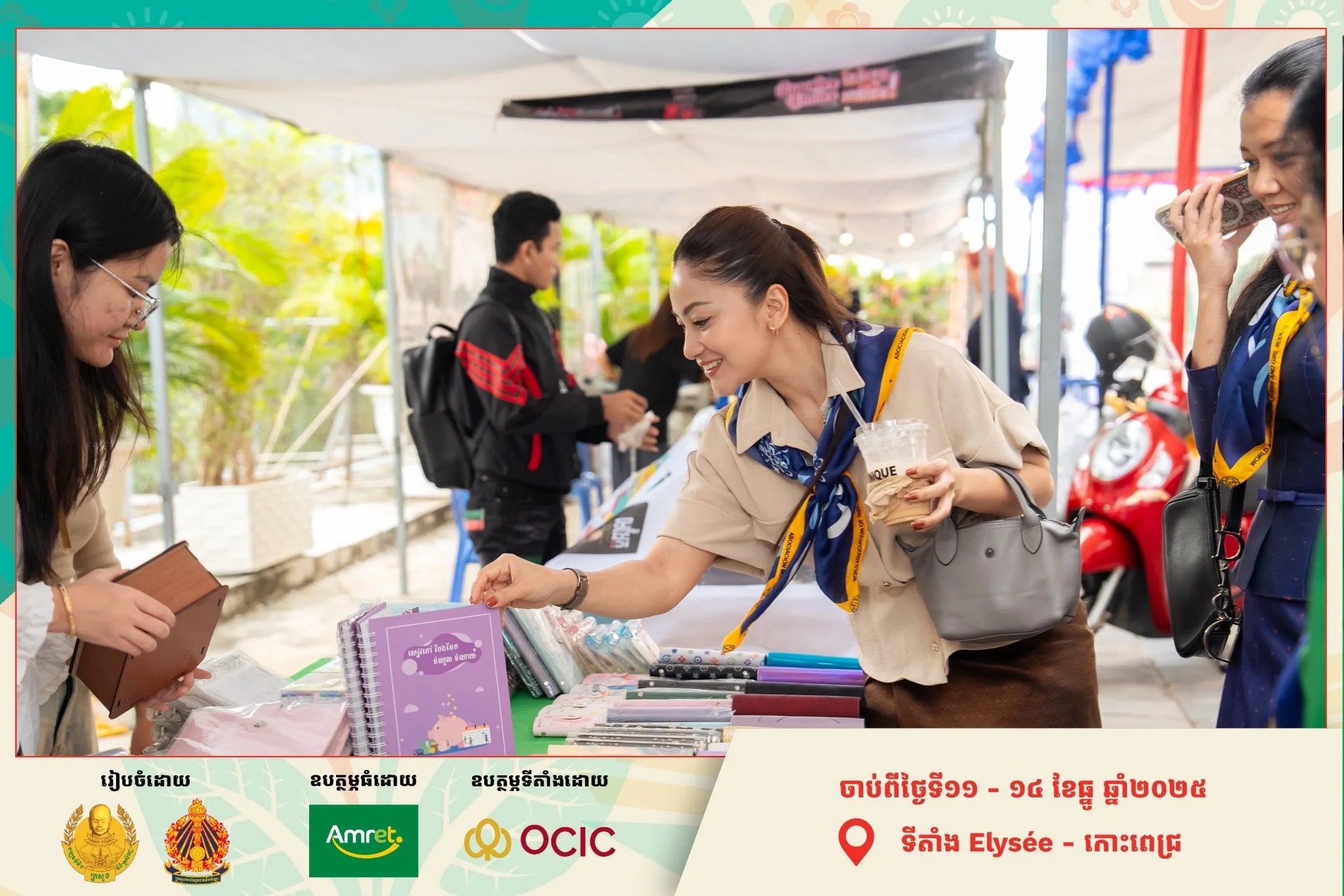
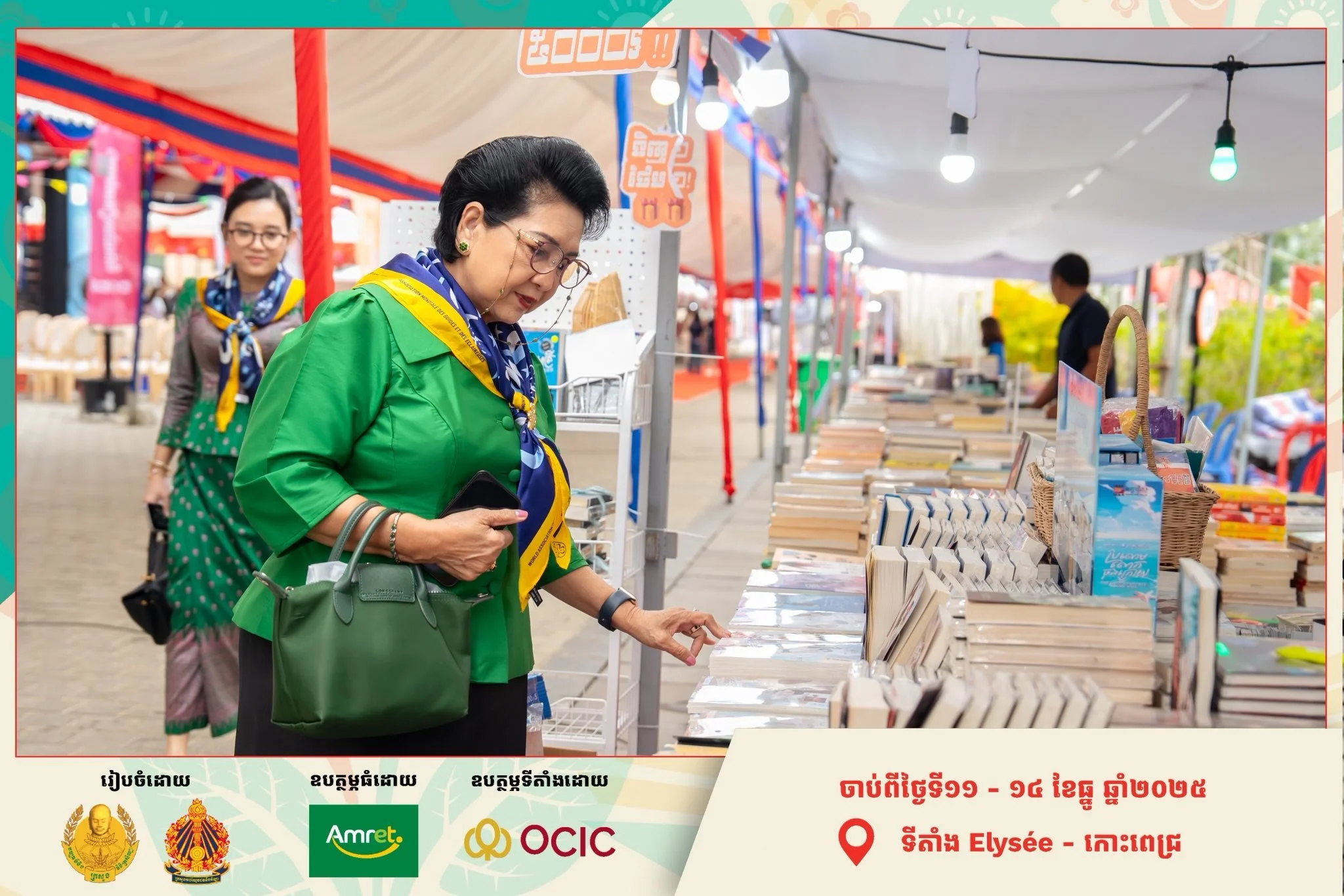
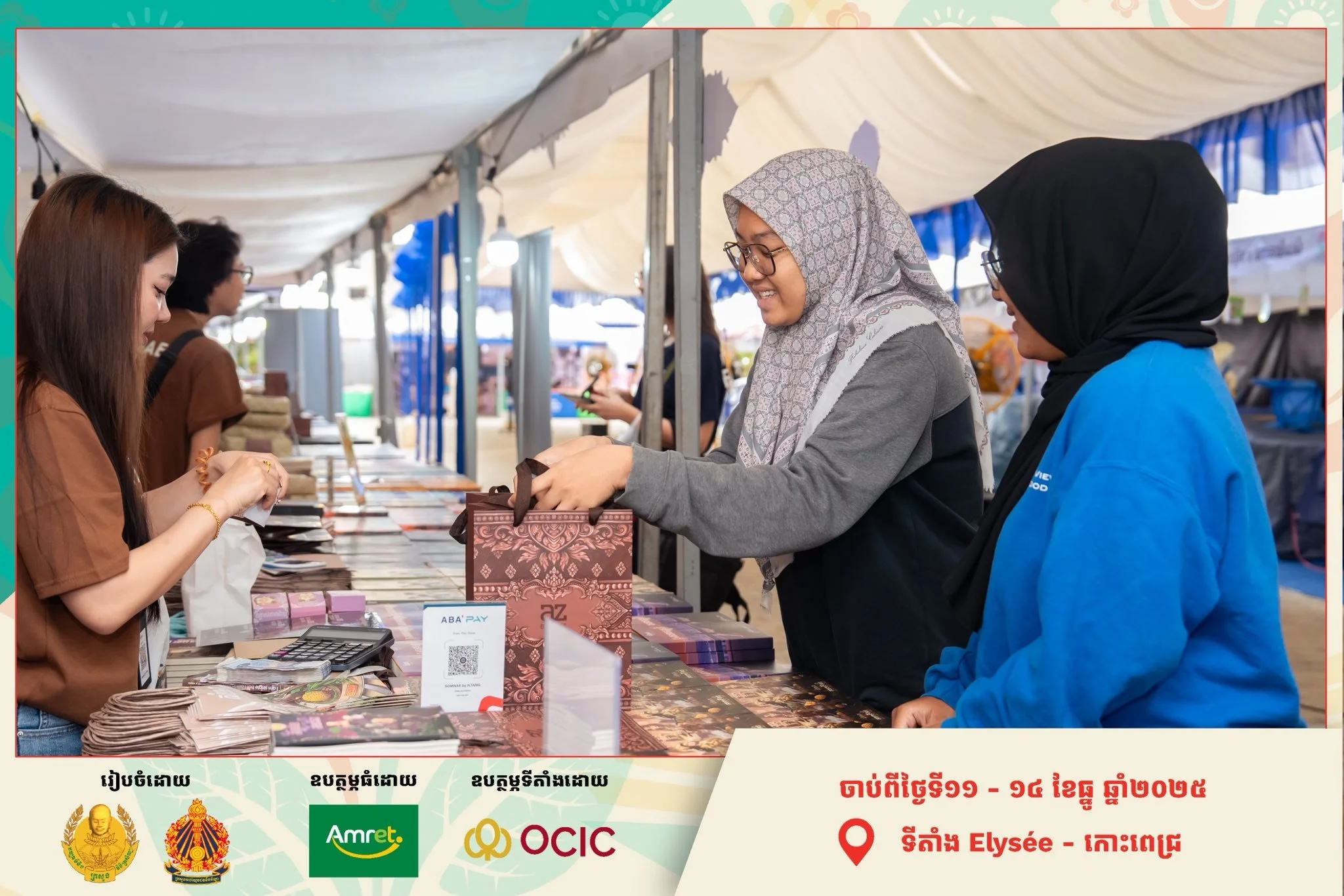
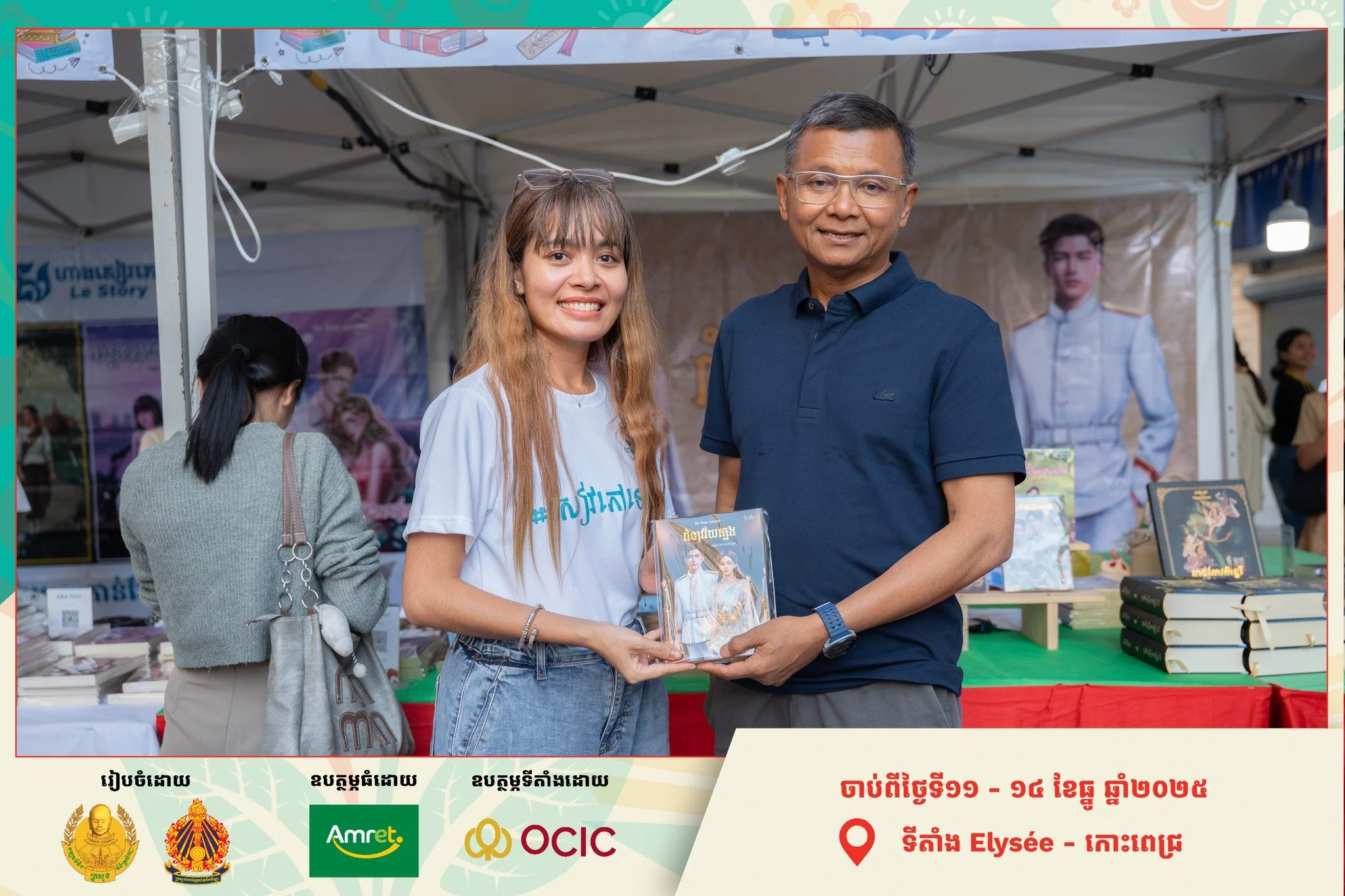
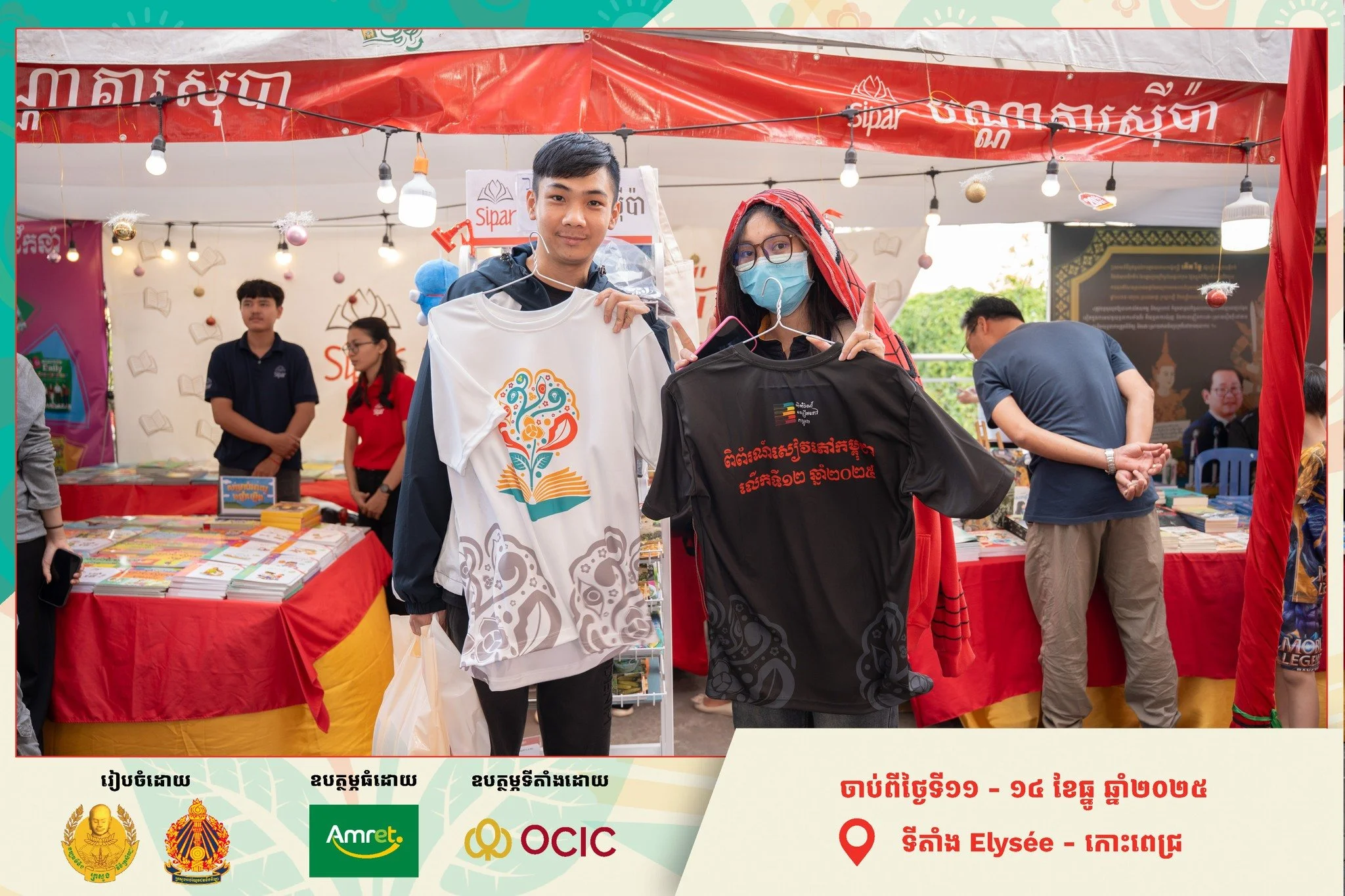
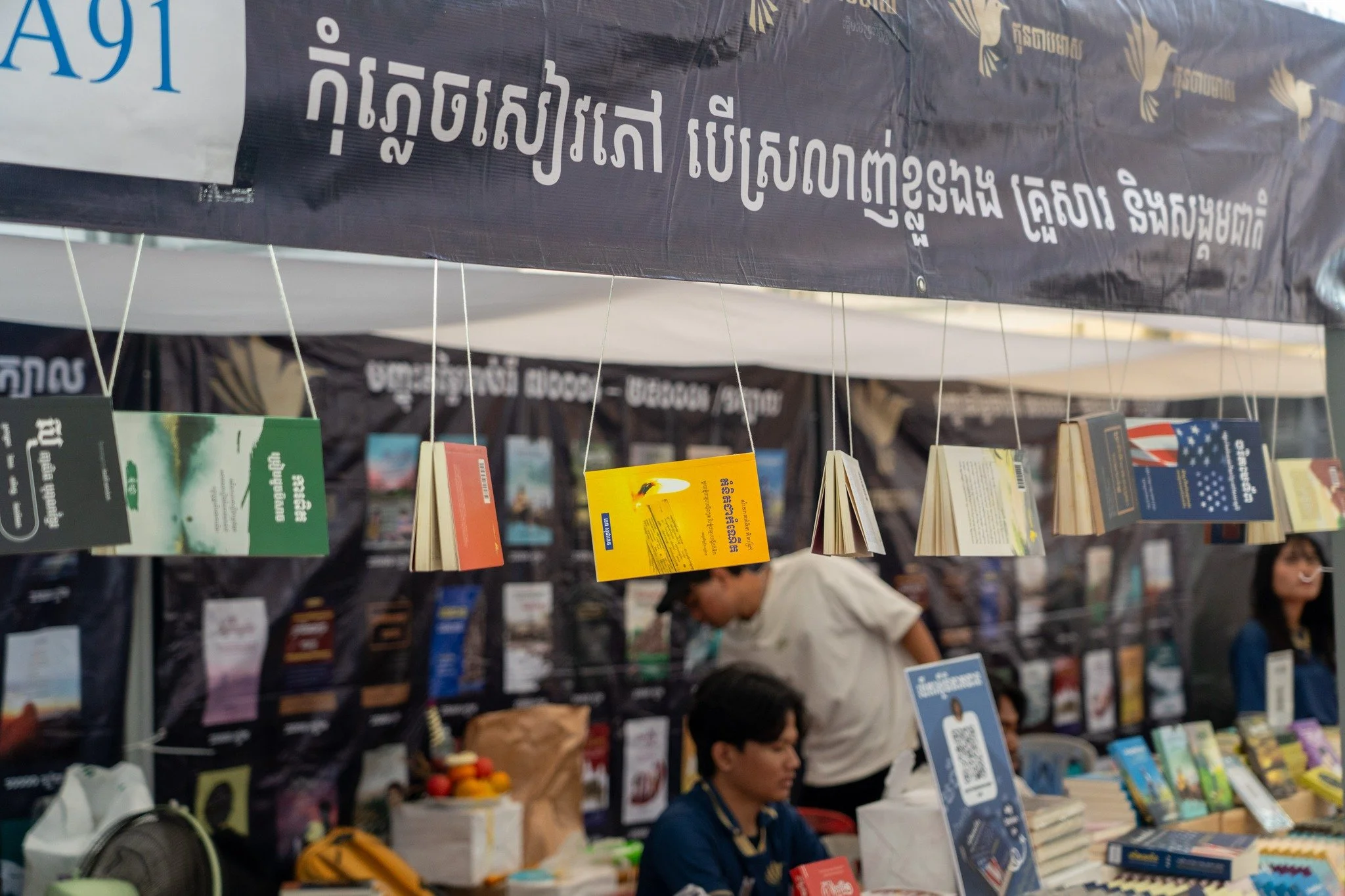
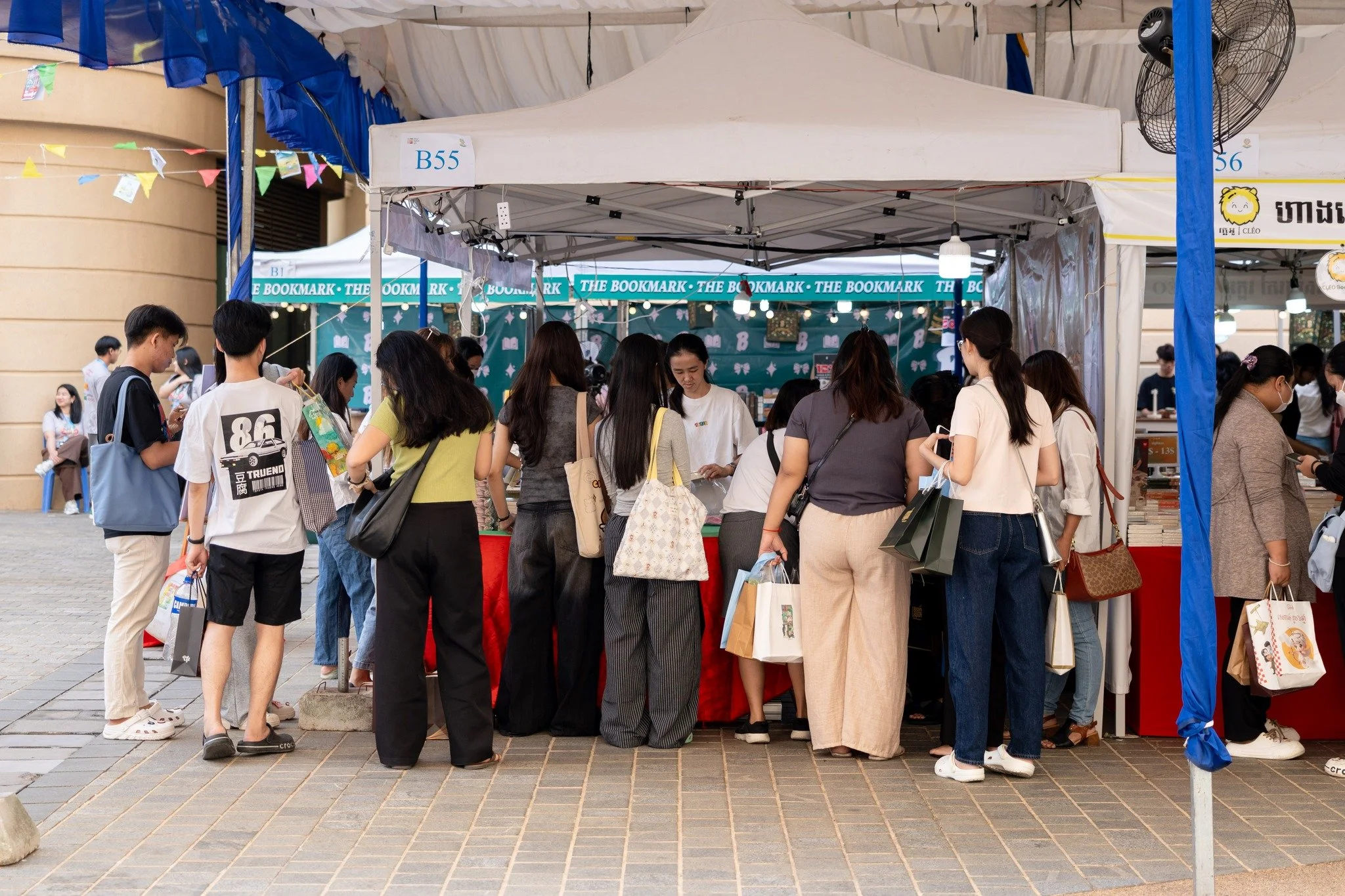
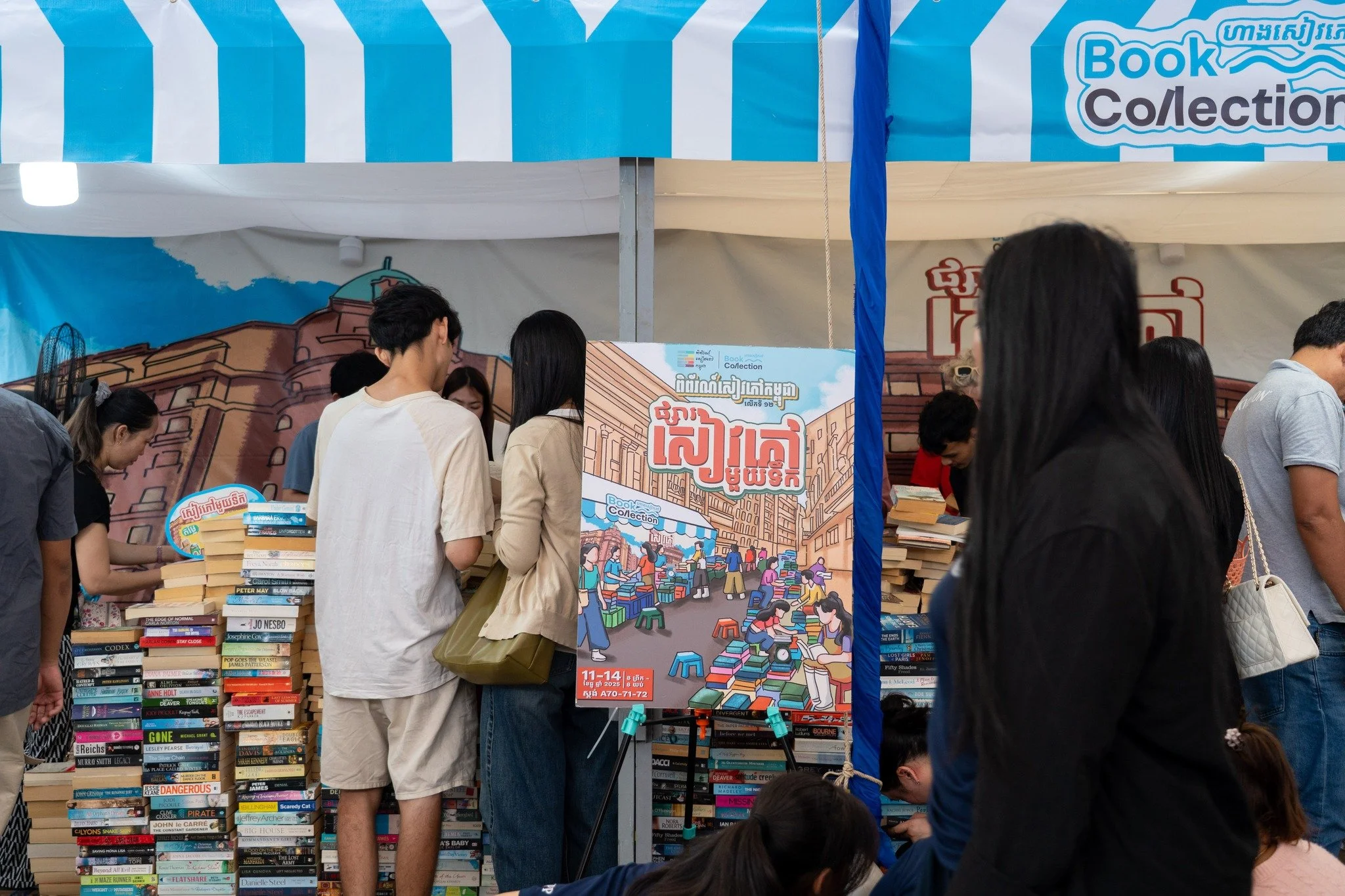
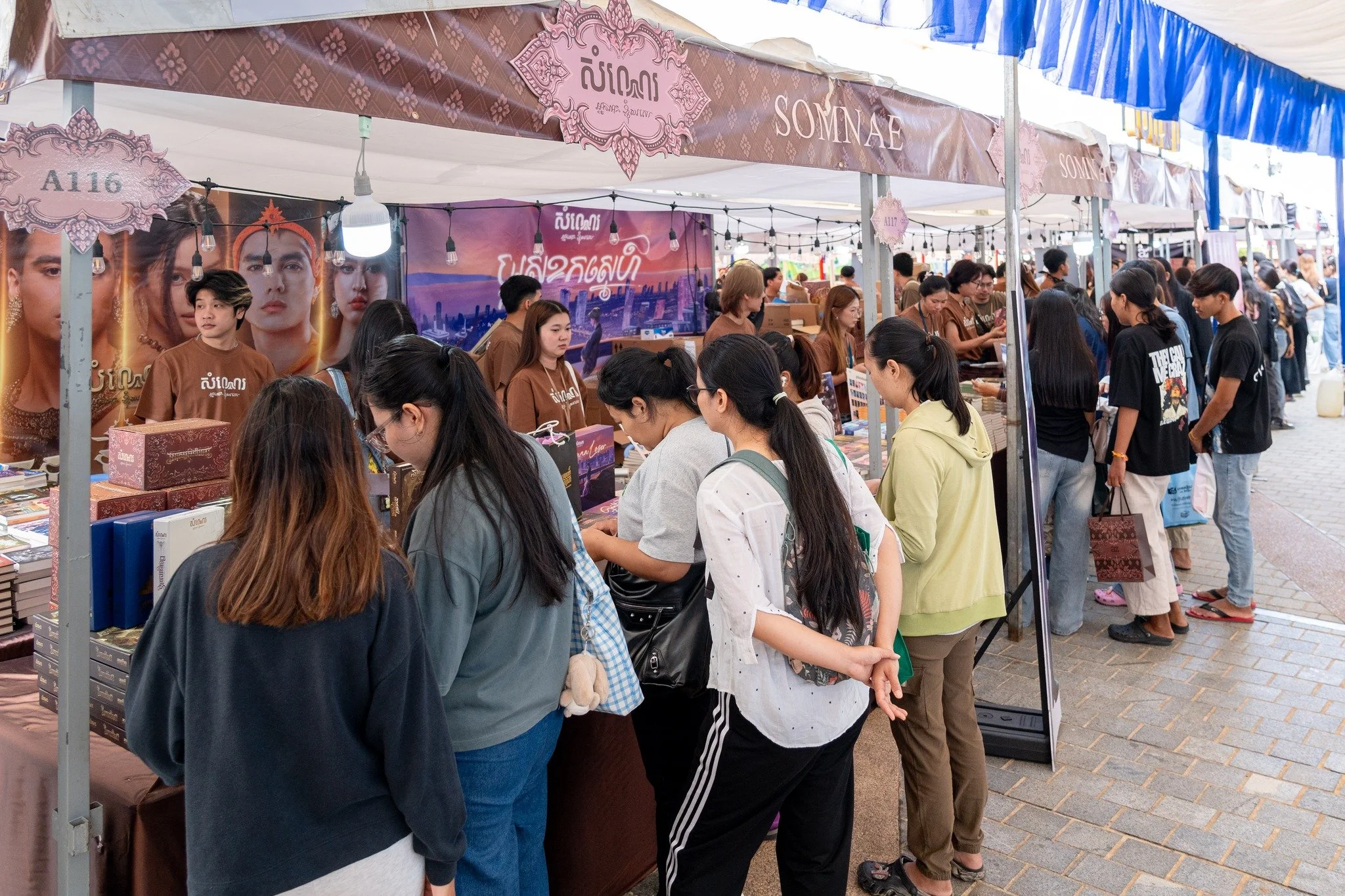
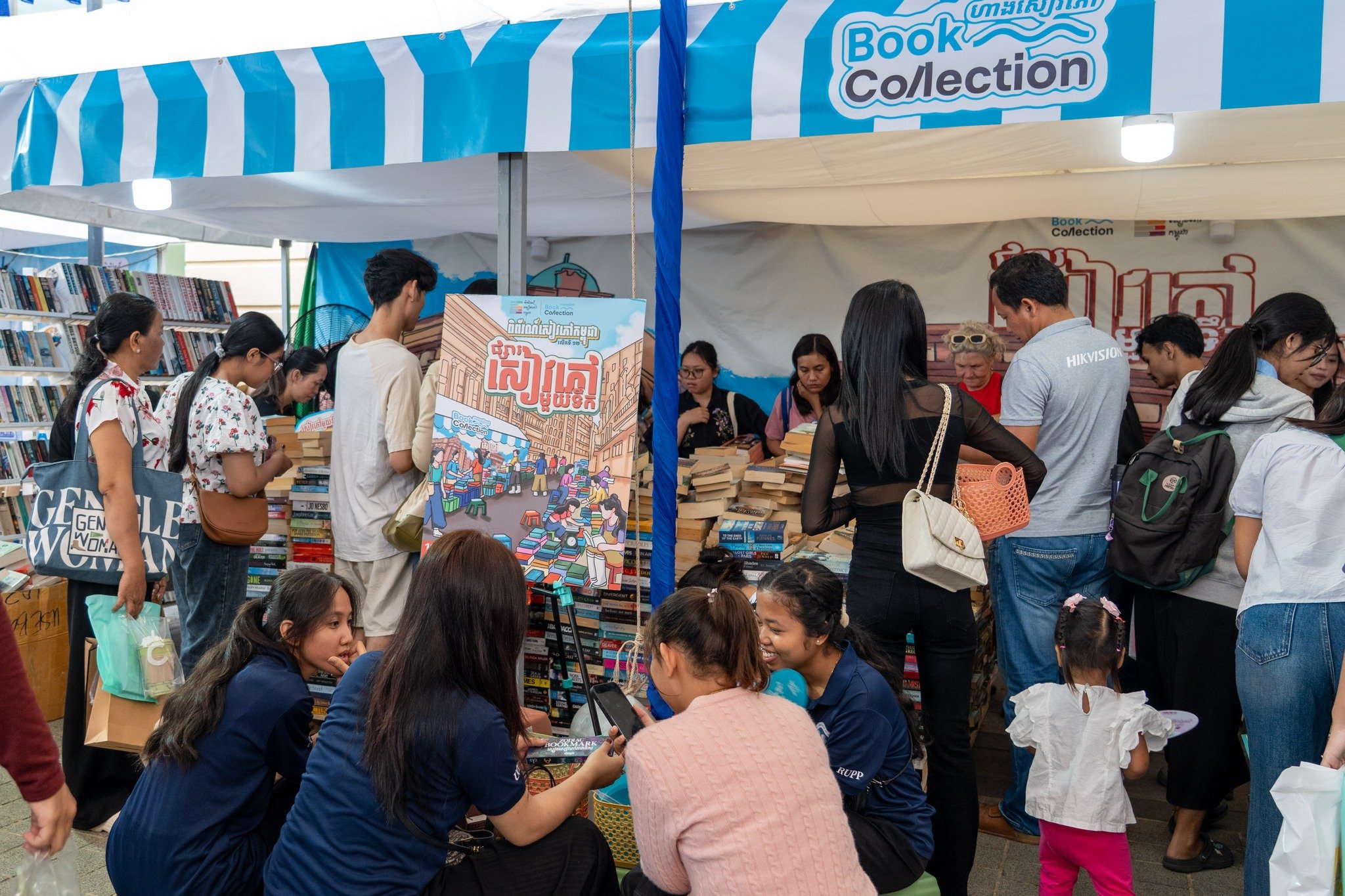
Throughout the four days, visitors were able to browse and purchase books across nearly 300 booths. The displays covered many genres and learning areas, including:
Khmer literature and world literature
history and culture
education and children’s books
personal development and professional skills
Khmer and foreign-language titles
This variety ensured that the fair offered something valuable for early readers, students, and adults seeking knowledge and inspiration.
Way Forward
The Cambodia Book Fair is more than an annual event. It represents a long-term national investment in knowledge, culture, and human capital. Its evolution over the past 15 years reflects resilience, adaptability, and growing value for partners and stakeholders committed to education, culture, and sustainable development.
The 2025 fair also created strong opportunities for future collaboration among libraries, schools, publishers, and cultural partners—especially in expanding reading activities beyond the fair days. The experience gained from organising sessions, engaging young audiences, and connecting writers with readers can support more community-based literacy programmes, school outreach, and library-led reading events throughout the year.
For the Cambodian Librarians Association (CLA), participation in organising the fair marked a significant step in strengthening professional visibility and strategic partnerships. It also positioned librarians as key contributors to innovation within Cambodia’s knowledge ecosystem. Building on this momentum, CLA librarians can play an expanded role by promoting equitable access to books and information, guiding readers toward high-quality and credible resources, and supporting authors through sustained library programmes and national reading campaigns.
By embracing innovation in library services, including digital resources, information literacy initiatives, and collaborative programming with schools, publishers, and cultural institutions, the CLA can help shape a more connected and resilient knowledge ecosystem. Continued investment in libraries as learning hubs will not only strengthen reading culture but also support lifelong learning, creativity, and informed citizenship across Cambodia.
Looking ahead, excitement is already growing because the Cambodia Book Fair is expected to return in 2026. With continued support from stakeholders and the public, the next fair can be an even stronger platform for new ideas, wider participation, and deeper inspiration for Cambodia’s next generation of readers and creators.