
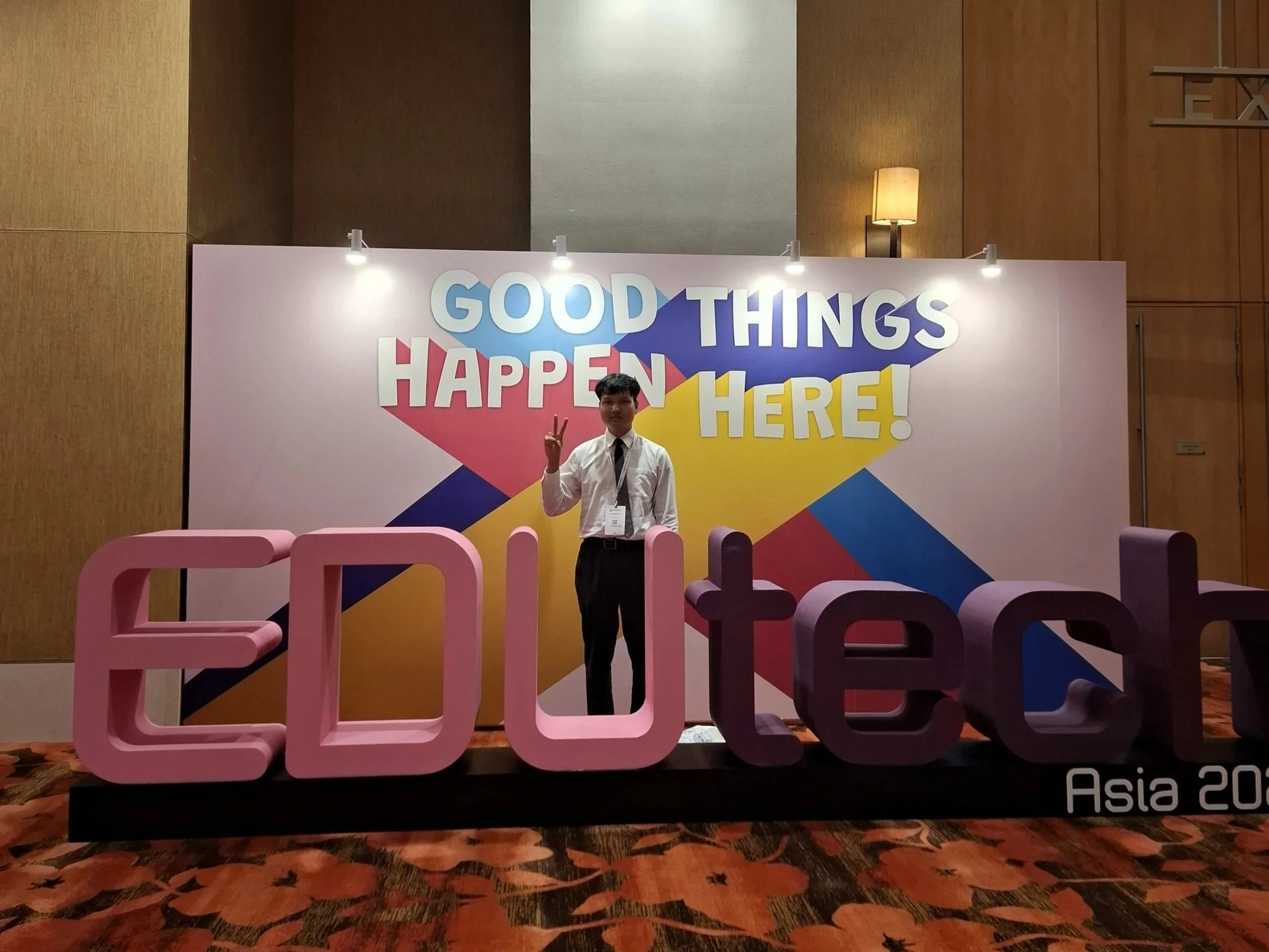
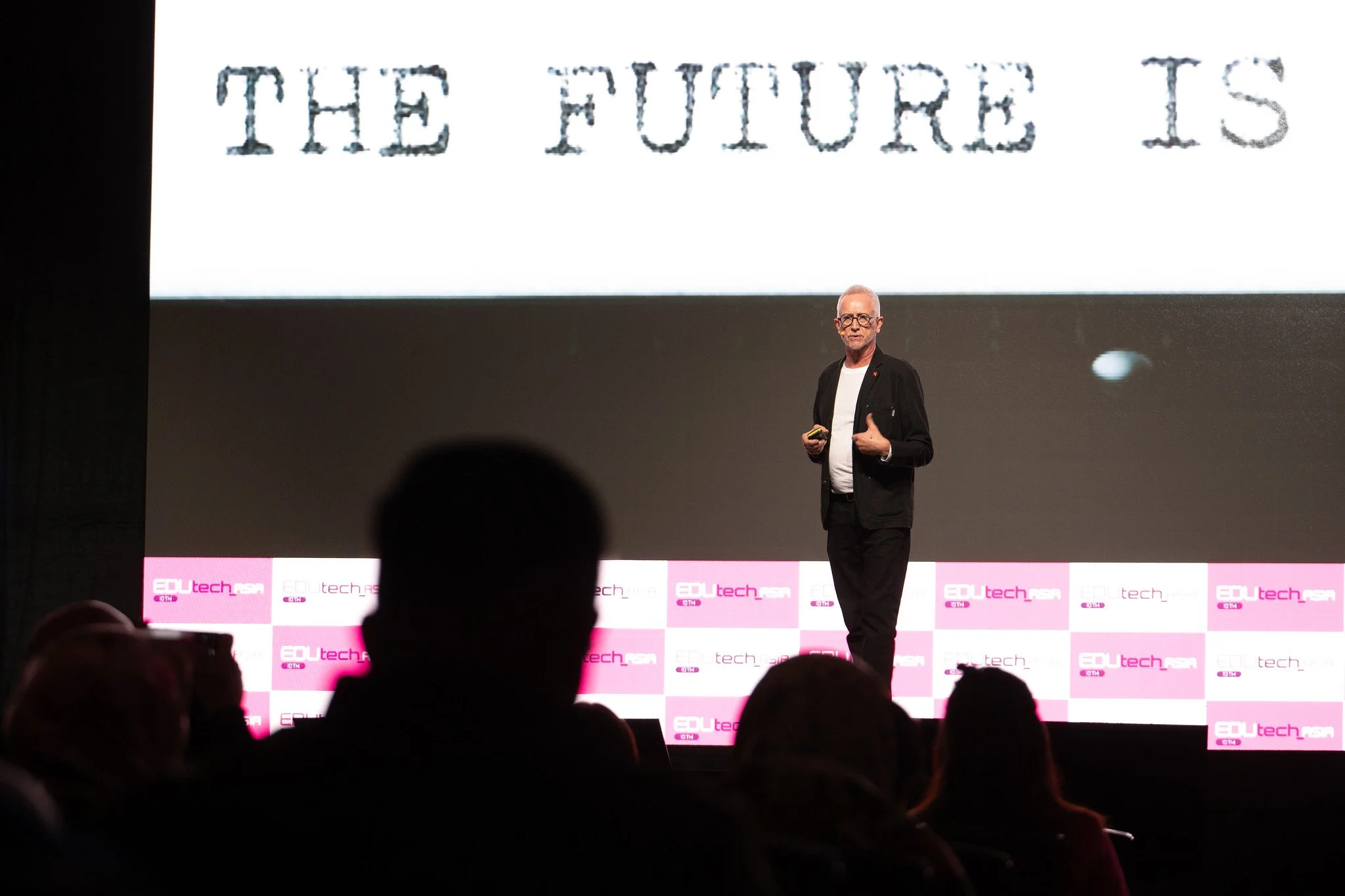
Singapore | 4–6 November 2025 — CamEd Business School was represented at EDUtech Asia 2025 in Singapore by Mr. Sim Chanbuntith (Librarian at CamEd Business School and an Active Member of Cambodian Librarians Association). He attended as the library’s official representative to learn from regional developments in education and learning technology, and to bring back practical insights that may support thoughtful, step-by-step improvements to library services and teaching and learning support.
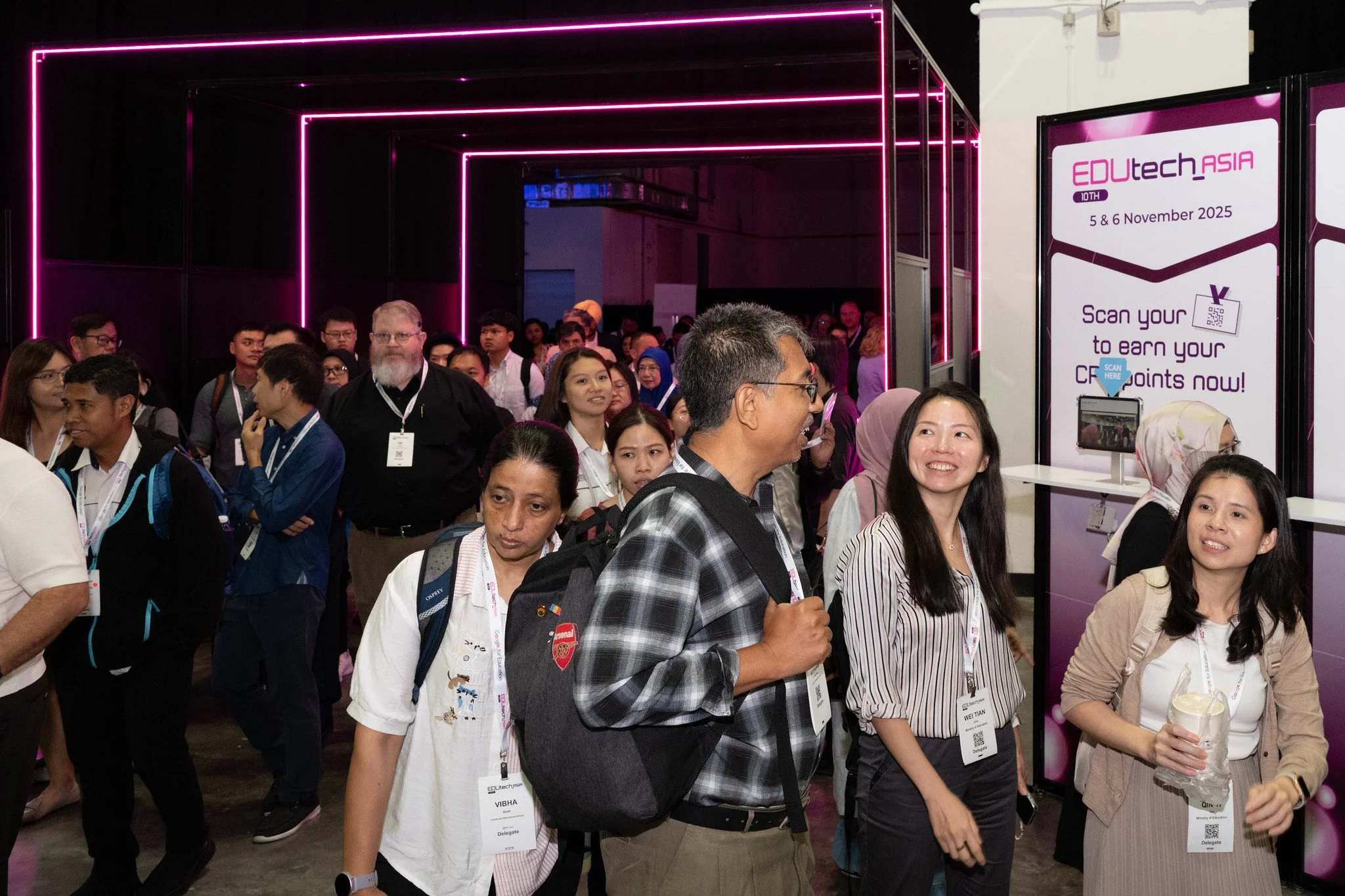
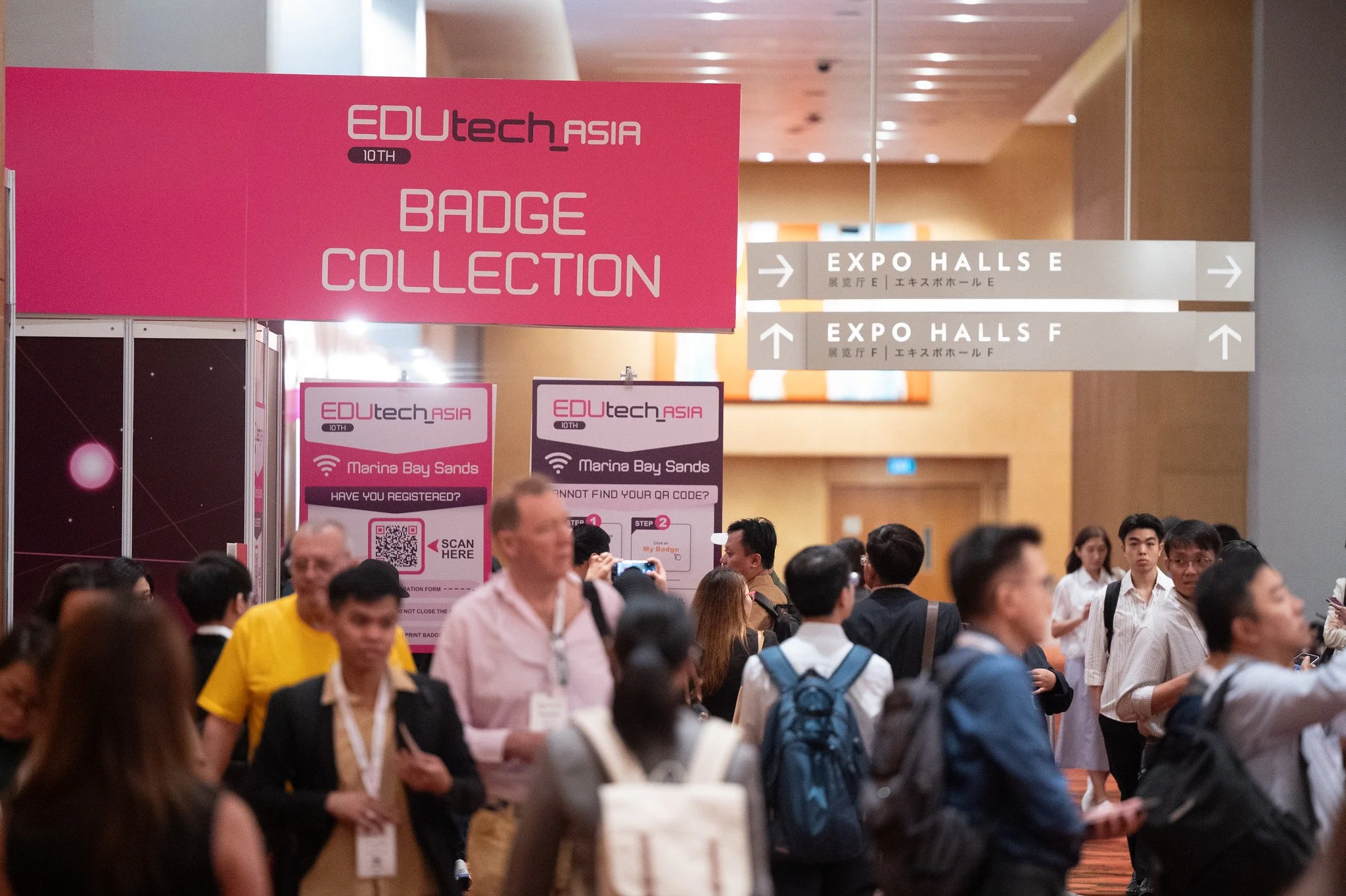


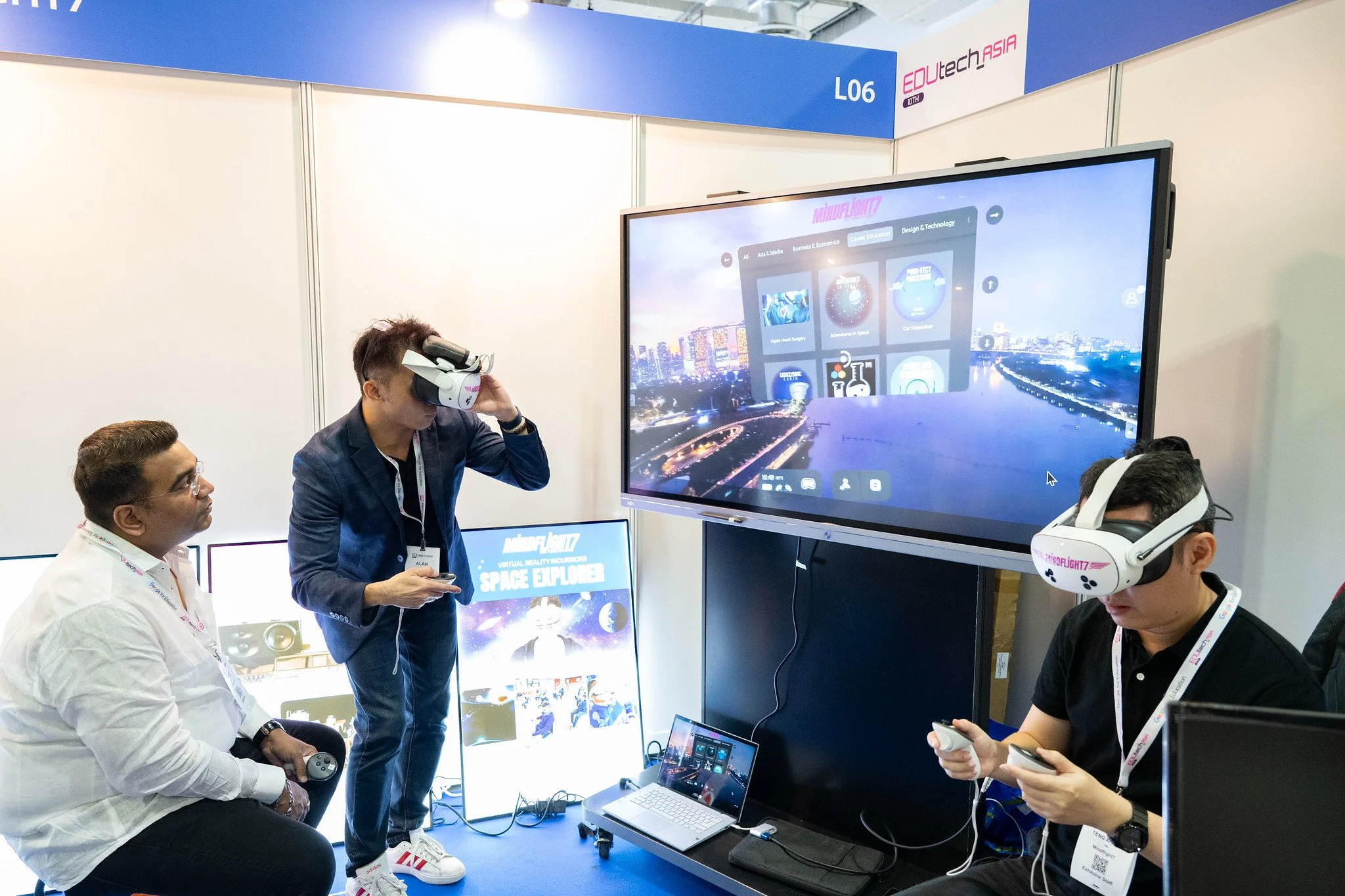

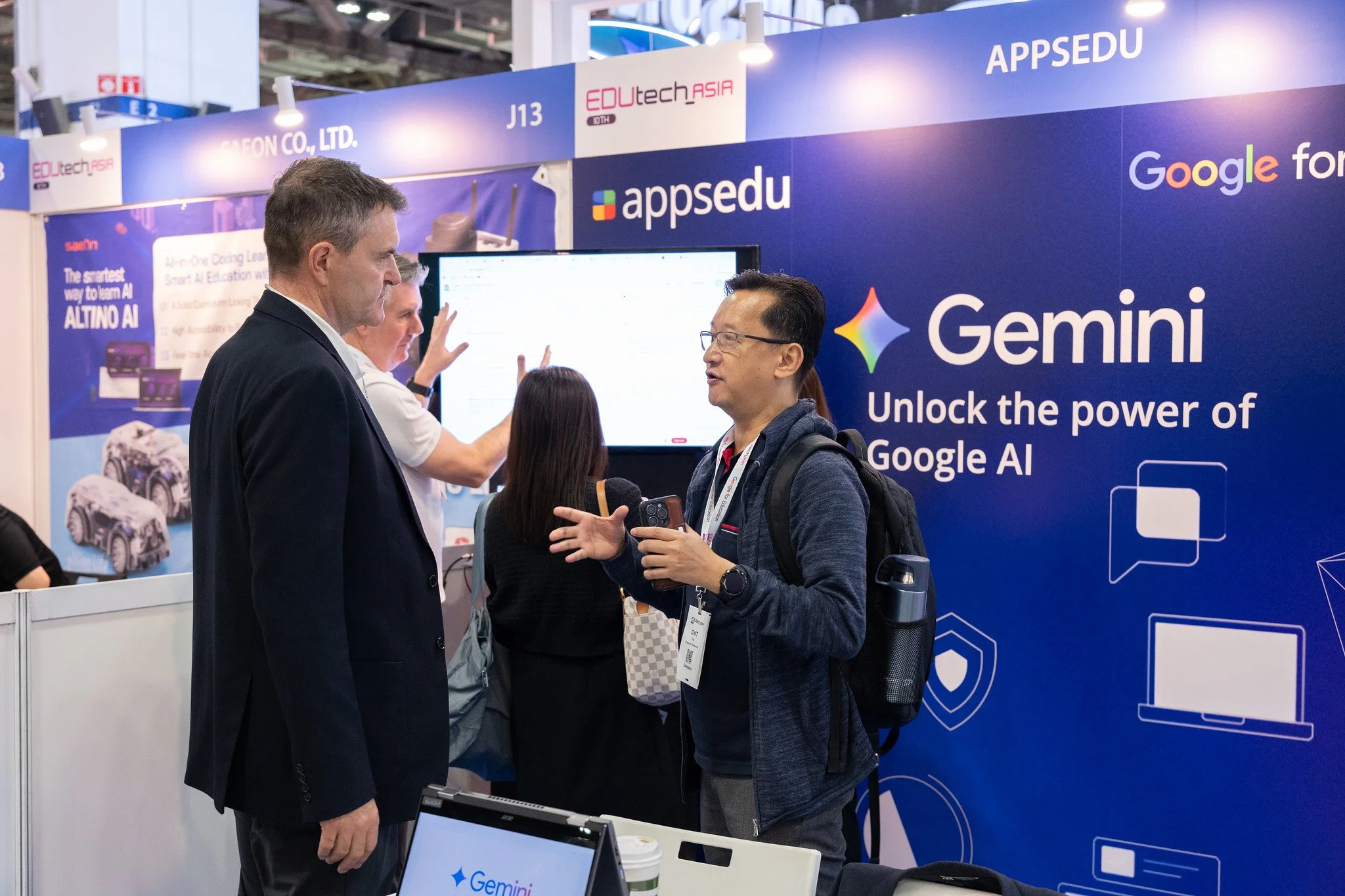
Overview
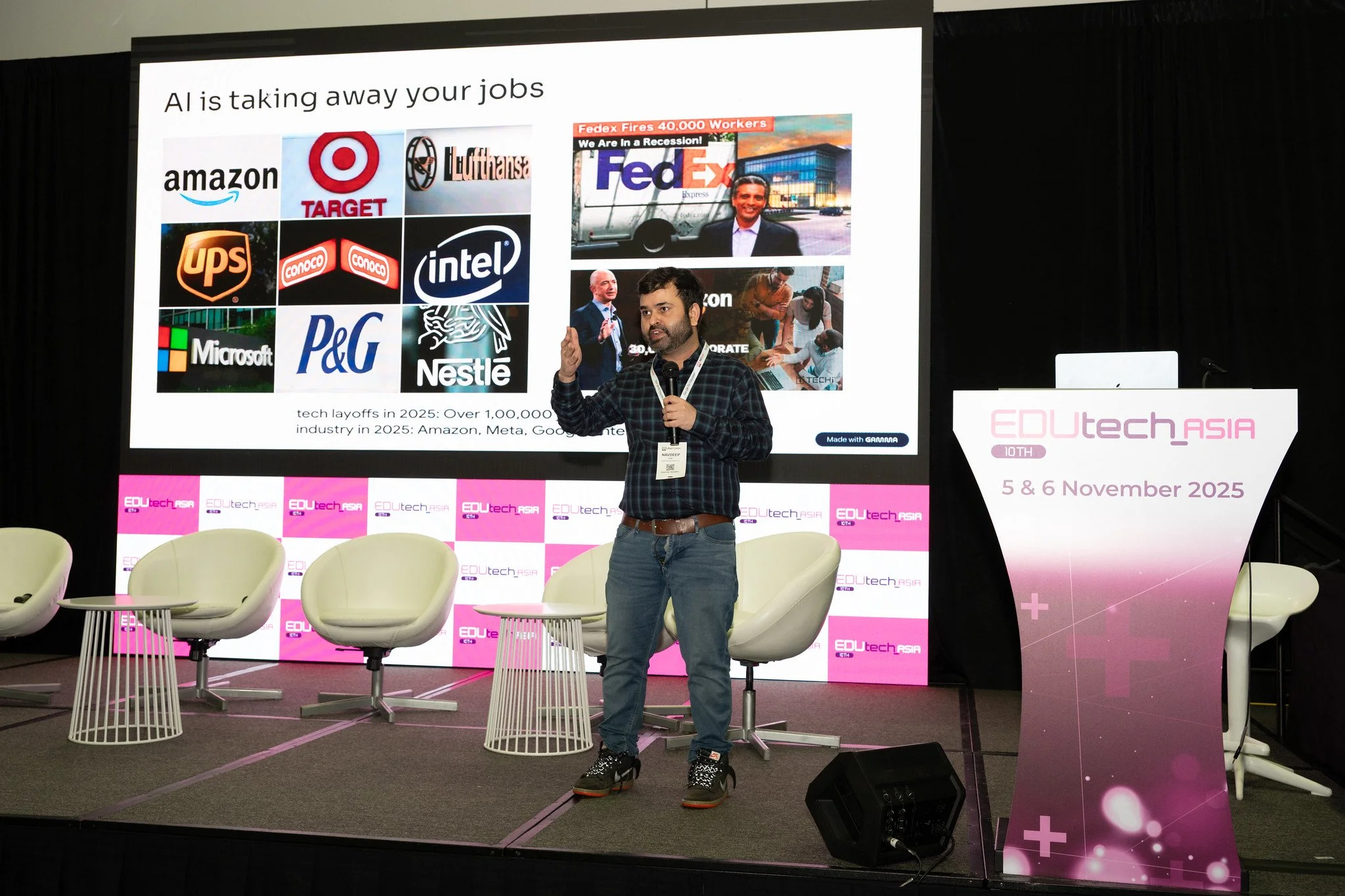
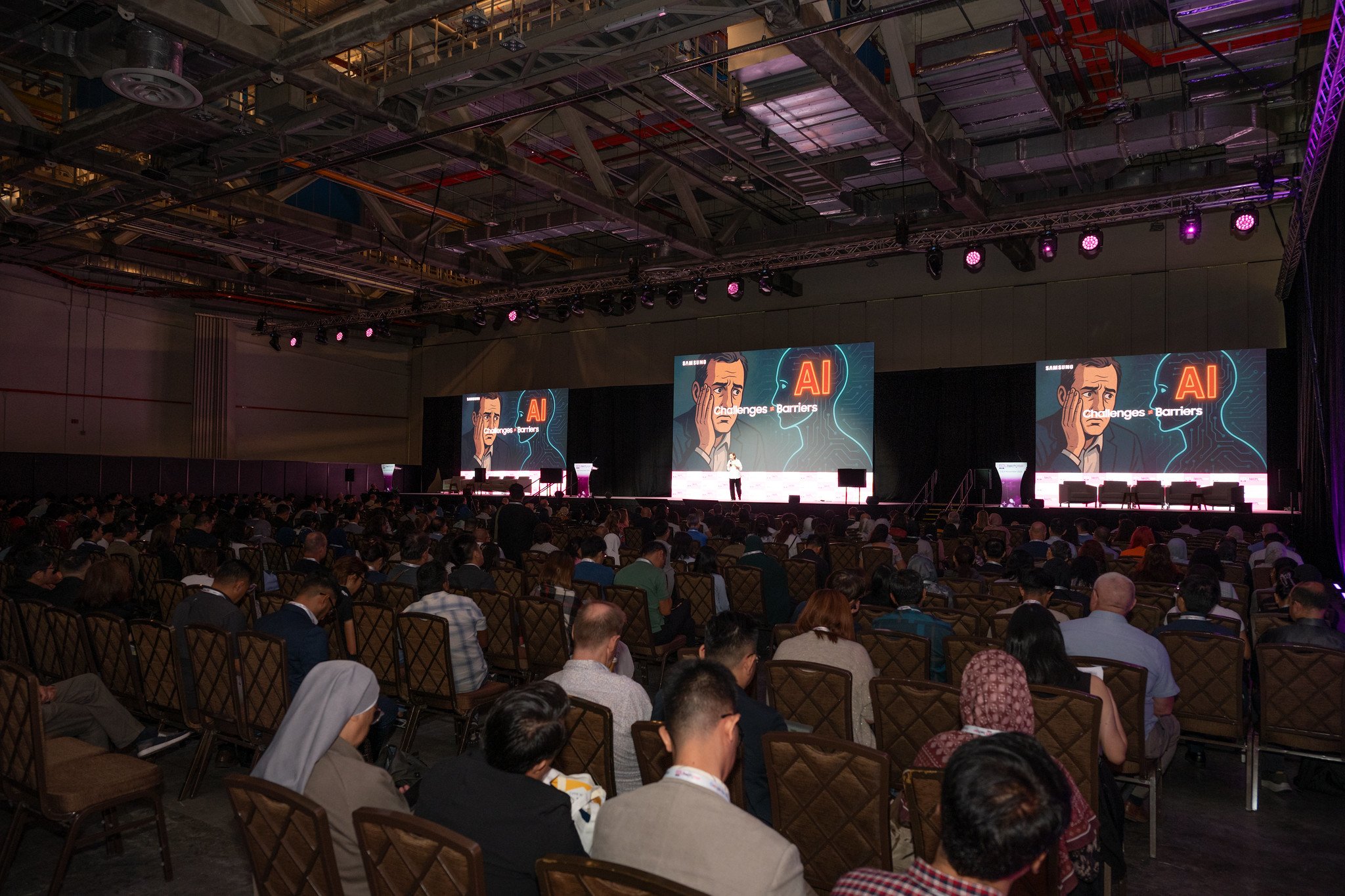
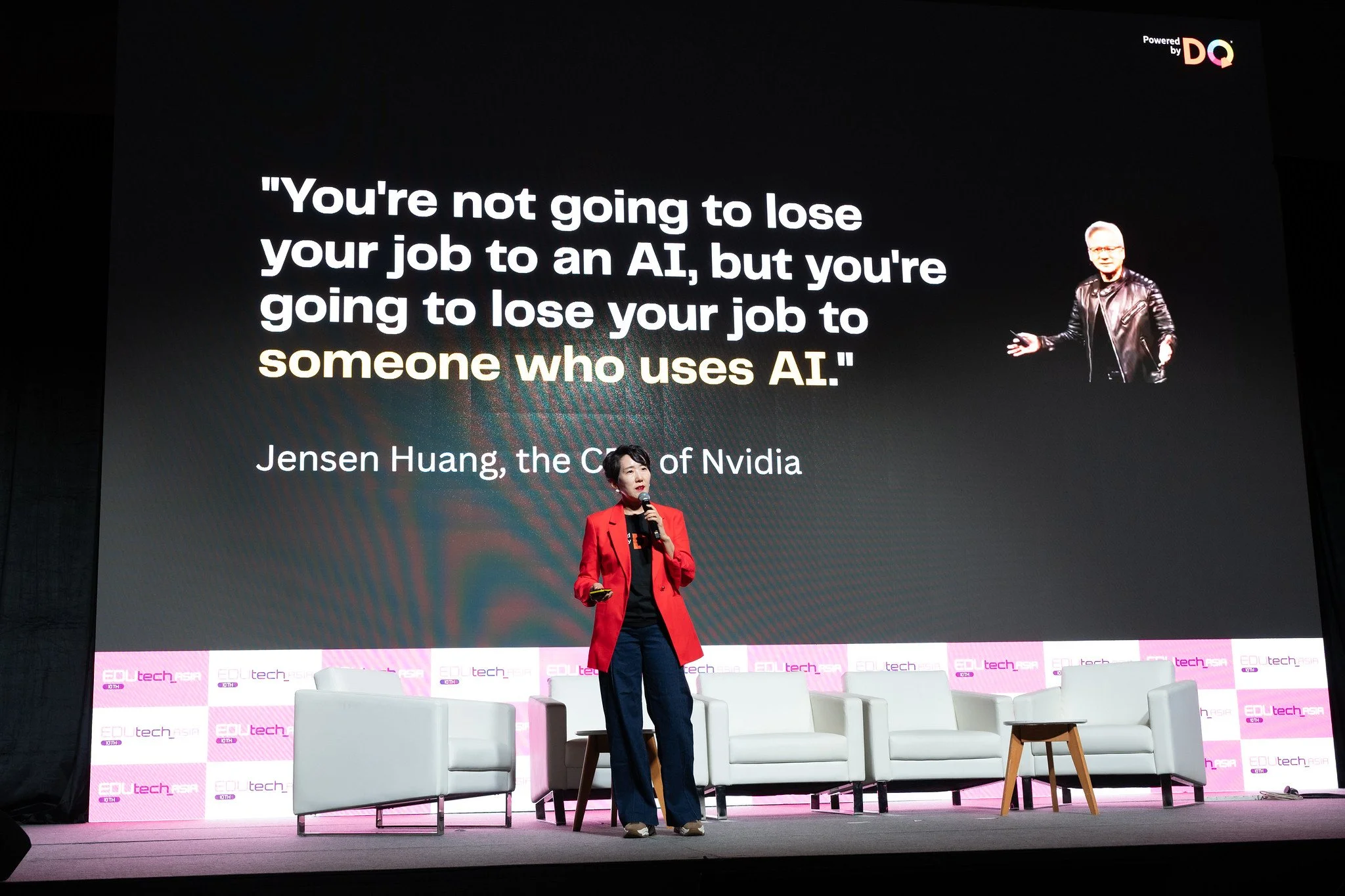
EDUtech Asia 2025 gathered education leaders, institutions, and education-technology providers from across the region to share how learning is being reshaped by AI and digital tools. A meaningful message throughout the program was that technology should not be treated as a shortcut to “modernization.” Real progress comes when institutions use technology with clear purpose: to strengthen learning quality, widen access, reduce repetitive workload, and protect trust.
For libraries, this message is significant. As students increasingly rely on AI for searching, summarizing, and writing, the library’s value becomes even clearer: libraries can help ensure that learning remains credible, ethical, and truly educational, not just faster. The library’s role can evolve from being mainly a resource provider to being a stable learning partner that supports research confidence, academic integrity, and independent thinking.
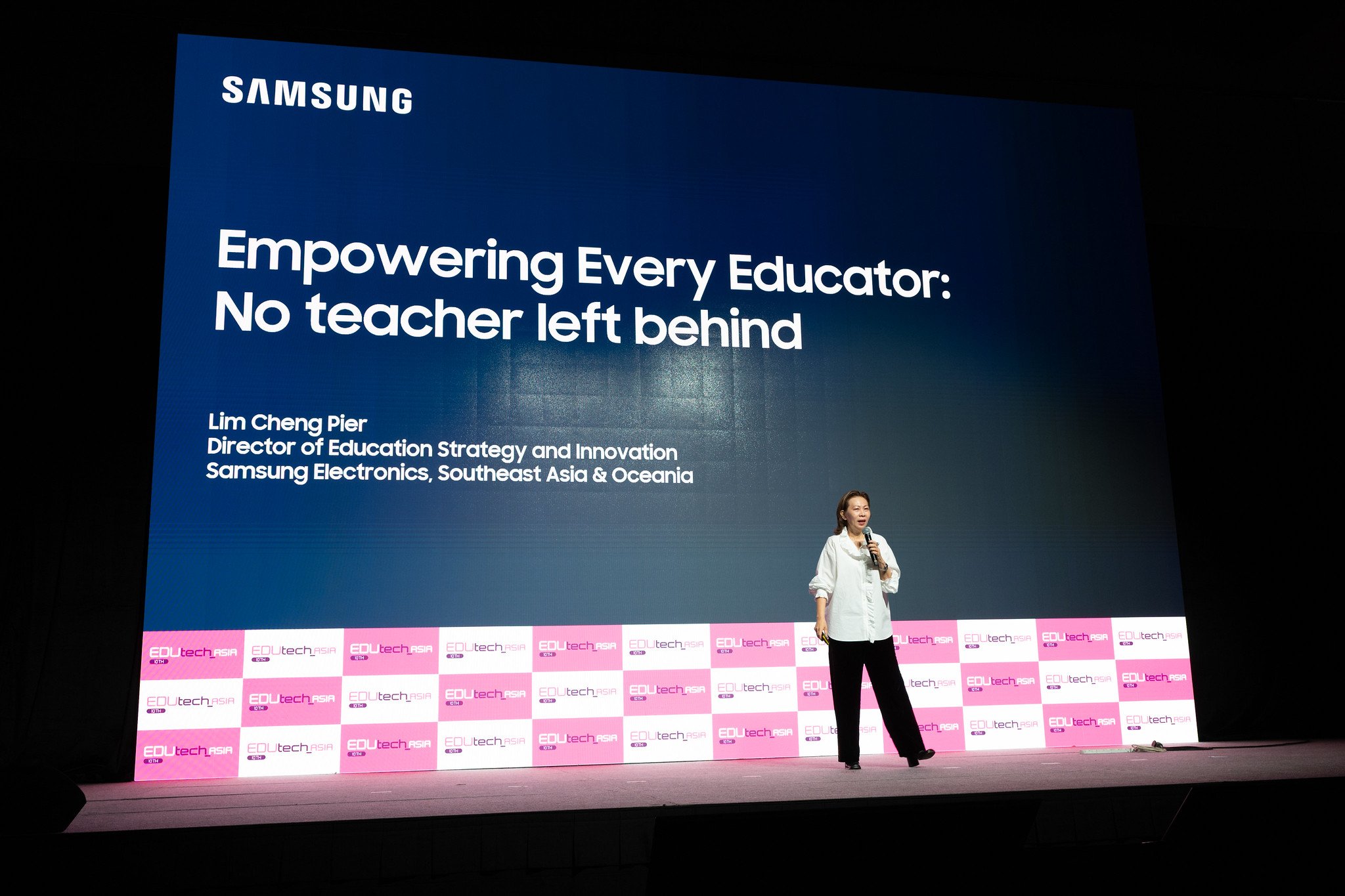
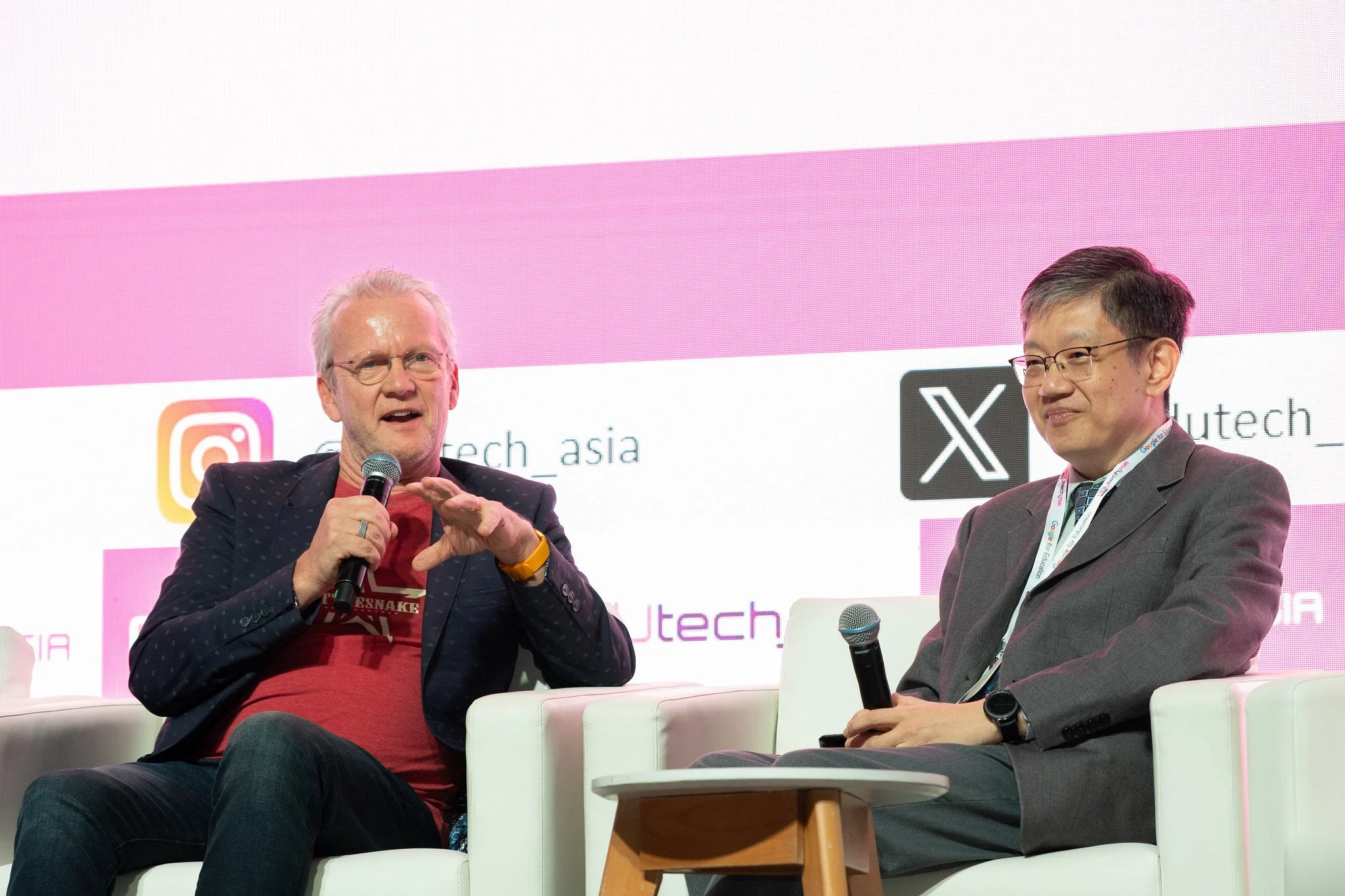
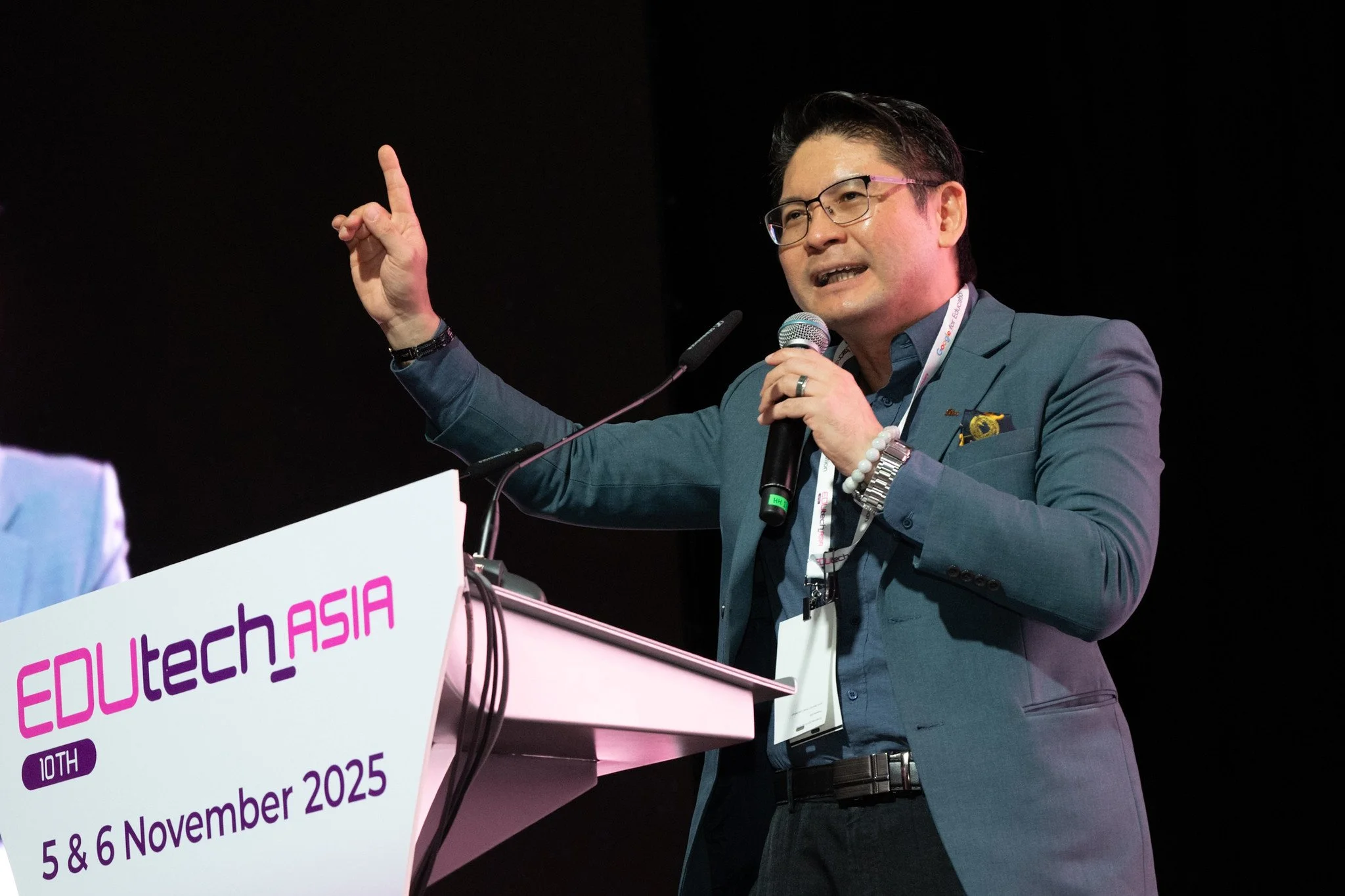
Key Learning Highlights from EDUtech Asia 2025
1) The focus is shifting from information access to learning capability
AI is reshaping what it means to know. When information is always available, education must place greater emphasis on how people evaluate information, reason through complexity, and make sound decisions. Many sessions highlighted that future ready learning depends more on human capabilities such as critical thinking, judgment, creativity, communication, and ethics than on memorizing content. This shift does not weaken the role of libraries. Instead, it makes them more essential, as libraries are among the few institutional spaces built around credibility, evidence, and responsible use of knowledge.
2) Metacognition: protecting thinking in the AI era
A strong theme was metacognition, or thinking about thinking. Students learn more effectively when they can plan their approach, monitor their progress, and reflect on outcomes. In the AI era, this also acts as a safeguard. When students rely on AI too quickly, they risk losing the habit of deep thinking, which can weaken learning over time. The program encouraged a more meaningful approach by positioning AI as a learning coach that supports reflection and reasoning, rather than as a tool primarily used to generate answers.
For library services, this is a practical direction: libraries can help students develop better study habits and stronger research thinking, which leads to improved academic performance and confidence.
3) Trust and accuracy are the real “innovation”
Many examples showed that the most useful AI systems are not the most advanced ones, but the most trustworthy. They prioritize verified sources, follow clear rules, and avoid guessing when they are uncertain. This is important because once trust is lost, even well designed tools can become harmful. This insight aligns naturally with the library profession. Libraries already work on a trust based model by verifying sources, guiding users carefully, and acknowledging uncertainty when necessary.
4) Learning works better when AI use is guided and collaborative
The program also highlighted a shift away from isolated “solo prompting.” Guided and collaborative learning spaces help students compare outputs, check accuracy, discuss reasoning, and improve together. When AI is grounded in trusted materials (course content, curated documents, institutional guides), learning becomes safer and more aligned with academic goals. Libraries are well placed to support this because they manage curated resources and can help learners stay connected to credible information.
5) Small tools can scale support when staff time is limited
Tools for quizzes, micro-lessons, and interactive learning were frequently presented not as replacements for educators, but as ways to scale basic learning support. This is important for contexts where staff capacity is limited. For libraries, micro-learning can strengthen orientation, database skills, referencing, and research basics without requiring large time investments every semester.
Practical Applications for Library Services
Based on the learning from EDUtech Asia 2025, the following applications may be meaningful and realistic, especially if introduced gradually.
A. Build a stronger “trusted knowledge base” before building any AI tool
Before any automation, the library benefits from strengthening its foundation: updated FAQs, policies, database access guides, research support pages, and consistent service instructions. This is not only good service practice; it is also the key requirement for any future AI helpdesk to be reliable.
B. Provide AI literacy and academic integrity support as a core library service
AI literacy is becoming as important as information literacy. The library can support students with practical guidance on:
how to verify AI-generated content
how to use AI ethically without weakening learning
what behaviors risk plagiarism or academic misconduct
how to cite sources and maintain credibility
This is meaningful because it protects both students and the institution, while strengthening real learning.
C. Offer metacognitive learning support (learning strategy, not only resources)
The library can offer short, useful support that helps students learn better:
simple study checklists and planning templates
reflection prompts (“What do I understand? What evidence supports it?”)
short clinics that combine research help with learning strategy
This is valuable because many students struggle not only with finding information, but with managing learning pressure, workload, and confusion especially in difficult subjects.
D. Strengthen research confidence through “research clinics”
The library can formalize research support into a simple, structured service: defining a topic, selecting credible sources, searching databases, evaluating reliability, summarizing responsibly, and synthesizing findings. This helps reduce over-reliance on unverified online sources and AI summaries.
E. Use micro-learning to scale orientation and skills training
Short quizzes and interactive modules can support:
library orientation
database searching
referencing and citation
academic integrity and plagiarism awareness
evaluating sources and avoiding misinformation
This approach allows consistent training each semester with less staff repetition.
What to Expect for the Future (Next 3–5 Years)
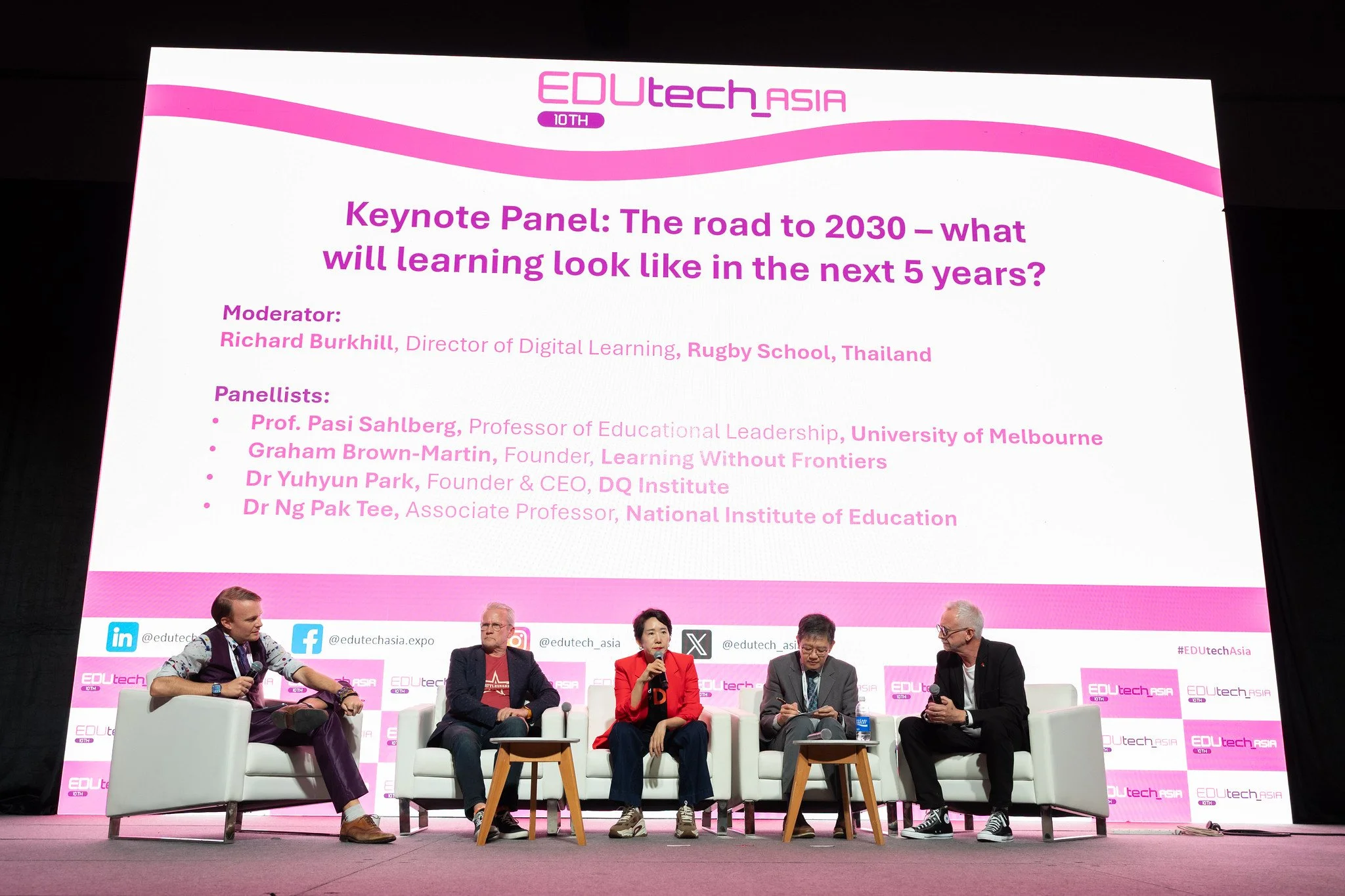
The direction shared at EDUtech Asia 2025 suggests that education will continue to move toward greater personalization, continuous upskilling, and the integration of AI as a daily learning partner. At the same time, the value of human skills will increase, particularly ethical judgment, critical thinking, creativity, collaboration, and communication. Institutions will also need to manage ongoing challenges, including unequal access to tools, gaps in digital literacy, and the spread of misinformation.
For libraries, this future brings an expanded responsibility. Libraries can serve as a stabilizing force for credibility, fairness, and learning quality by helping students not only access information, but also develop the skills needed to use it thoughtfully and responsibly.
Moving Forward
EDUtech Asia 2025 was a valuable reminder that as AI becomes more integrated into learning, the role of the library grows even more significant. Looking ahead, the priority is to strengthen library services as a trusted learning partner by supporting students to evaluate information carefully, use AI responsibly, and develop strong research and study habits. Through small, practical steps and a continued focus on trust and learning quality, library services can keep improving and make a meaningful contribution to teaching, learning, and student success in the AI era.